




Developmental Perspectives for Early Learning
Child development offers a framework for understanding behavior in early childhood education.
Developmental theories help educators interpret children’s needs, actions, communication, and responses.
Each theory highlights different influences on children’s growth and learning.
Why Developmental Understanding Matters
Educators can respond more thoughtfully when they consider developmental differences.
Children may show different abilities, interests, communication styles, and emotional responses.
Therefore, educators should connect behavior with each child’s developmental context.
This approach encourages guidance instead of assumptions about a child’s intentions.
Key Theoretical Perspectives
Cognitive theories focus on how children develop thinking, understanding, and problem-solving abilities.
These perspectives help educators consider how children interpret experiences.
Meanwhile, social learning theories emphasize learning through observation, interaction, and shared experiences.
These perspectives encourage educators to model appropriate communication and behavior.
Emotional and social theories examine relationships, feelings, identity, and personal development.
They remind educators to consider emotional needs alongside observable behavior.
Ecological theories examine how children’s surroundings influence development and daily experiences.
These perspectives encourage educators to consider classroom conditions, relationships, and broader environments.
Developmental Stages
Developmental stages describe broad periods of growth and changing abilities.
They help educators organize observations without treating every child identically.
Early development includes changes in communication, movement, thinking, social interaction, and emotional expression.
However, children may progress unevenly across these areas.
For example, a child may communicate confidently while still developing emotional regulation.
Educators should recognize these differences when planning guidance and classroom expectations.
Using Stages Responsibly
Developmental stages provide guidance rather than rigid labels.
Educators should avoid comparing children as though they develop in identical ways.
Instead, they can observe patterns, identify needs, and adjust support.
They can also communicate observations clearly without assigning negative judgments.
Unlock Your Career Potential
Visualize a clear path to success with our tailored Career Consulting service. Personalized insights in just 1-3 days.
Get StartedFlexible expectations allow educators to respect individual development.
Connecting Development With Behavior
Children’s behavior can communicate needs, emotions, abilities, or challenges.
Educators can examine what happens before, during, and after a behavior.
This process supports thoughtful responses instead of immediate reactions.
Furthermore, developmental knowledge helps educators select suitable expectations and guidance.
They can provide support that matches children’s current abilities.
They can gradually encourage greater independence as children develop.
Applying Theory in Practice
Educators can use developmental theories to guide observation and reflection.
First, they can notice recurring behaviors and surrounding circumstances.
Next, they can consider possible developmental influences without making assumptions.
Then, they can adjust communication, expectations, and classroom support.
Finally, they can observe whether the adjustment meets the child’s needs.
This reflective process connects developmental understanding with responsive behavior guidance.
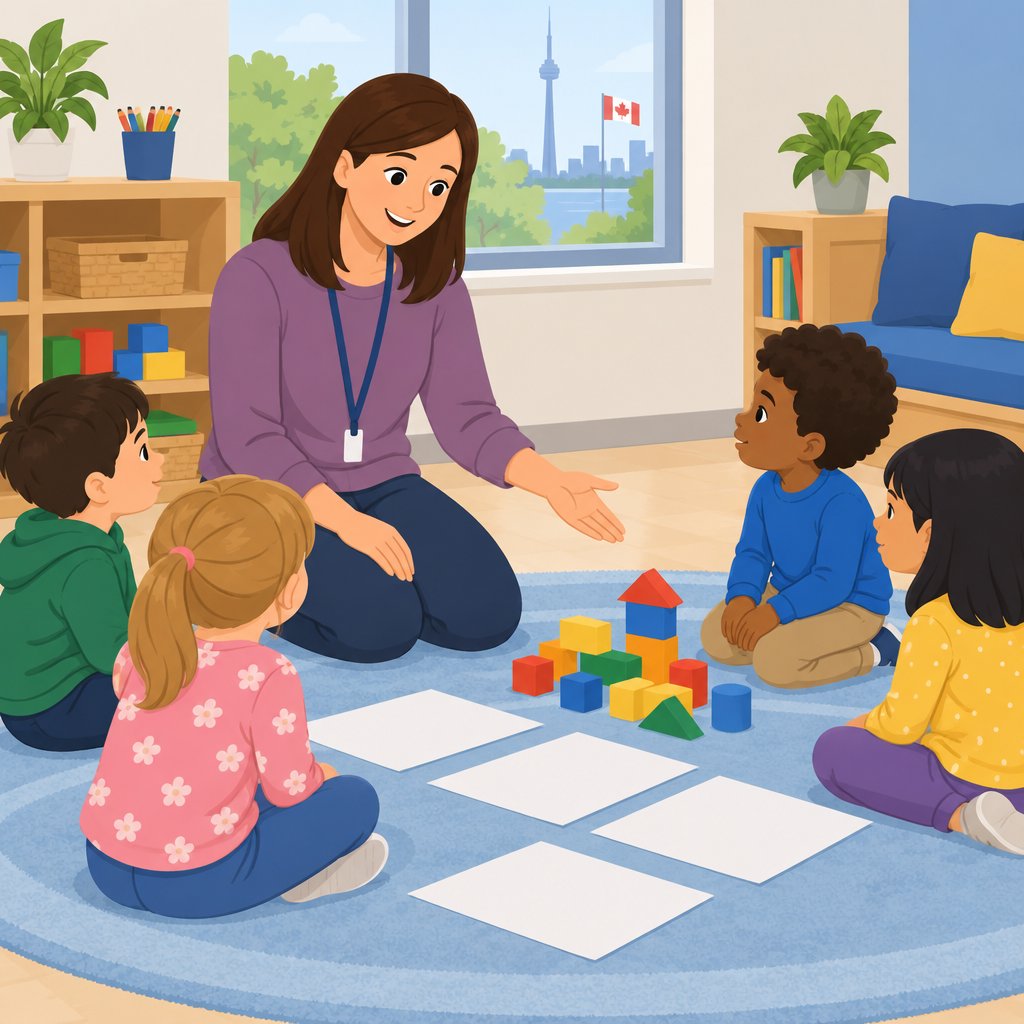
Setting Up a Positive Learning Environment
A positive learning environment supports behavior through thoughtful physical and emotional spaces.
Therefore, educators should design spaces that encourage comfort, participation, and respectful interaction.
Thoughtful design helps children participate confidently and respectfully.
Organizing the Physical Space
Arrange learning areas so children can move through them safely and confidently.
Keep pathways clear to reduce unnecessary interruptions during activities.
Define different areas for learning, play, quiet time, and group interaction.
Use consistent arrangements so children can recognize each area’s purpose.
Place materials where children can access them appropriately.
Additionally, maintain an orderly space that supports attention and independent participation.
Supporting Clear Expectations
Connect each area with simple expectations for behavior and participation.
Explain expectations before children begin activities in a new space.
Use clear language that describes what children should do.
For example, encourage children to walk, share materials, and respect personal space.
Reinforce expectations consistently across different learning areas.
Consequently, children receive clearer guidance during daily activities.
Creating Emotional Safety
Build an emotional space where children feel respected and heard.
Respond to children with calm voices and attentive body language.
Acknowledge children’s feelings without approving harmful behavior.
Then, guide children toward safe and respectful choices.
Offer reassurance when children experience frustration, uncertainty, or conflict.
Use encouraging language to support children as they manage strong emotions.
Providing Calm Spaces
Include a designated space where children can pause and regain composure.
Present this space as a supportive option rather than a punishment.
Explain how children can use the space when they need calm.
Keep the area comfortable, orderly, and separate from busy activity areas.
Allow children time to settle before discussing behavior or choices.
Afterward, invite children to rejoin activities when they feel ready.
Encouraging Positive Interaction
Arrange spaces that make cooperation and respectful communication easier.
Provide opportunities for children to interact while following shared expectations.
Model respectful words, listening, turn-taking, and problem-solving.
Notice positive interactions and describe the behaviors you observe.
For instance, recognize children who wait, share, listen, or offer help.
This feedback helps children understand which behaviors support the learning environment.
Reviewing the Environment
Observe how children use each physical and emotional space.
Notice areas that create confusion, crowding, distraction, or conflict.
Then, adjust the arrangement or guidance when the environment creates challenges.
Invite children to share simple ideas about comfort and participation.
Regular review keeps the environment responsive to children’s needs.
Establishing Clear Expectations and Rules for Behavior
Clear expectations help educators guide behavior during early childhood education.
Therefore, educators should communicate rules simply, consistently, and respectfully.
These expectations support participation during shared activities.
Define Expected Behaviors
First, describe the behaviors children should demonstrate during shared activities.
Use direct language that children can understand and remember.
Focus each expectation on an observable action rather than an unclear instruction.
For example, describe how children should participate, communicate, and care for shared materials.
Teach Rules Directly
Educators should introduce each rule before children need to apply it.
Explain why the rule supports respectful participation and shared responsibility.
Next, demonstrate the expected behavior with clear, calm communication.
Invite children to practice the behavior when appropriate.
Then, acknowledge their effort as they follow the expectation.
Use Consistent Language
Consistent wording helps educators communicate expectations across different activities.
Choose simple phrases that educators can repeat without changing the rule’s meaning.
Additionally, pair spoken directions with calm reminders when children need guidance.
Keep reminders brief so children can focus on the expected action.
Involve Children in Understanding Rules
Encourage children to share their understanding of each expectation.
Ask open questions that help children describe respectful behavior.
Listen carefully, and clarify misunderstandings with simple explanations.
Furthermore, invite children to suggest ways they can follow shared rules.
This approach gives children an active role in understanding classroom expectations.
Apply Expectations Consistently
Apply rules consistently during routines, activities, and transitions.
Respond to behavior according to the established expectation rather than personal preference.
However, address each situation with attention to the child and the context.
Maintain a calm tone while restating the expected behavior.
Afterward, provide an opportunity for the child to try again.
Review and Adjust Expectations
Review expectations when children show confusion or repeated difficulty.
Check whether the wording communicates the intended behavior clearly.
Then, restate the rule using fewer or more familiar words.
Adjust expectations when activities or circumstances change.
Finally, continue reinforcing the rule through clear reminders and consistent responses.
Learn More: Recognizing the Contributions of Early Childhood Educators
Encouraging Positive Behavior
Positive reinforcement helps educators acknowledge behaviors they want children to repeat.
Educators should notice appropriate behavior as it occurs.
They should respond with clear and encouraging language.
Using Specific Praise
Specific praise connects an educator’s words with a child’s behavior.
Instead of offering general approval, educators can describe the behavior they noticed.
For example, educators might recognize careful listening, cooperation, patience, or responsible choices.
Clear language helps children understand which actions earned positive attention.
Additionally, educators should keep praise sincere, brief, and appropriate.
They can adjust their words to match each child’s behavior and effort.
Offering Timely Recognition
Educators should acknowledge positive behavior soon after it occurs.
Timely recognition helps children connect their actions with an encouraging response.
Consequently, educators should avoid delaying praise when they can respond immediately.
They can use calm words, encouraging gestures, or focused attention.
However, recognition should support behavior without interrupting learning.
Choosing Meaningful Rewards
Rewards can reinforce positive behavior when educators use them thoughtfully.
Educators should select rewards that fit the setting, behavior, and child.
They can offer choices when several appropriate rewards support the same goal.
Choice gives children an active role in receiving positive reinforcement.
Furthermore, educators should explain the connection between behavior and reward.
Children benefit when they understand why educators offer recognition.
Balancing Rewards and Praise
Praise and rewards can work together while serving different purposes.
Praise directly communicates appreciation for a child’s behavior or effort.
Rewards provide additional recognition for demonstrated behavior.
Educators should continue using encouraging words alongside any selected reward.
This approach keeps communication central within the reinforcement process.
Additionally, educators should not make every positive action depend on a reward.
Maintaining Consistent Responses
Consistent responses help educators communicate clear reinforcement expectations.
Educators should respond to positive behavior with dependable language and attention.
They should also coordinate their approaches when multiple educators support the same children.
However, consistency does not require identical responses in every situation.
Educators can adapt reinforcement while maintaining the same behavioral focus.
Supporting Individual Differences
Children may respond differently to praise, attention, and rewards.
Therefore, educators should observe each child’s response to positive reinforcement.
They can adjust their approach when a response does not encourage desired behavior.
Some children may prefer quiet recognition.
Others may welcome verbal encouragement.
Educators should respect these differences while keeping reinforcement positive.
Encouraging Internal Motivation
Educators can connect positive behavior with its effects on learning and relationships.
They can invite children to notice how choices support cooperation and participation.
This conversation adds meaning beyond receiving praise or rewards.
Additionally, educators can acknowledge effort, persistence, and responsible decision-making.
These responses recognize the process behind positive behavior.
Reviewing Reinforcement Strategies
Educators should review which praise and rewards encourage positive behavior.
They can consider the timing, wording, and consistency of their responses.
They can also identify opportunities to provide clearer recognition.
When educators review their approach, they can refine reinforcement for future interactions.
As a result, positive reinforcement remains purposeful and responsive.
Uncover the Details: Navigating Parent Relationships as an Early Childhood Educator
Consistent Routines for Classroom Stability
Consistent routines help educators create stability during daily classroom activities.
They also help children anticipate activities, transitions, and familiar expectations.
Moreover, educators can maintain structure while responding thoughtfully to changing circumstances.
A Predictable Daily Flow
Educators can organize daily activities in a consistent and recognizable sequence.
This structure helps children anticipate upcoming activities and prepare for changes.
Additionally, educators should maintain familiar patterns whenever circumstances allow.
Clear Transition Guidance
Educators can announce transitions before activities change.
Clear reminders help children shift attention from one activity to another.
Furthermore, educators can use consistent language when guiding repeated transitions.
Consistent Routine Expectations
Educators should apply routine expectations consistently throughout the day.
Children receive clearer guidance when adults respond similarly to familiar situations.
Therefore, staff members should communicate about shared routines and responses.
Balanced Consistency and Flexibility
Educators can preserve the routine while adjusting activities when necessary.
They should explain changes clearly and calmly.
This approach maintains structure without ignoring changing circumstances.
Regular Routine Review
Educators can observe how children respond to existing routines.
They can then identify moments that require clearer directions or smoother transitions.
Additionally, educators should adjust routines when they no longer support classroom stability.
Find Out More: How Early Childhood Educators Shape Future Generations
Developing Social-Emotional Skills
Children can develop conflict resolution skills through guided practice and supportive conversations.
Adults can help children recognize feelings, listen carefully, and express needs respectfully.
With continued guidance, children can strengthen their ability to resolve disagreements.
Recognizing Feelings During Conflict
First, help children notice their feelings during disagreements.
Encourage children to describe emotions using clear and simple words.
Adults can acknowledge each child’s feelings without assigning blame.
However, acknowledging feelings does not mean accepting harmful behavior.
Listening to Each Perspective
Next, invite each child to explain what happened.
Encourage children to listen while another person speaks.
Remind children to wait before responding.
Adults can restate each perspective using neutral language.
This process helps children focus on understanding rather than winning.
Expressing Needs Respectfully
Teach children to explain their needs without insults or threats.
Meanwhile, encourage children to use calm words when describing problems.
Children can state how an action affected them.
They can also request a different action.
Adults can model respectful language during challenging moments.
Finding Shared Solutions
After listening, guide children toward solutions that address the conflict.
Ask children to suggest possible ways forward.
Encourage them to consider how each solution affects everyone involved.
Then, help children choose an appropriate solution together.
Keep the discussion focused on repairing the situation.
Practicing Turn-Taking and Sharing
Conflict resolution often requires children to manage competing wants.
Teach children to take turns expressing ideas and making requests.
Encourage children to wait, share, and negotiate when appropriate.
Adults can guide children when they struggle to balance their needs.
Gradually, children can participate more actively in these discussions.
Guiding Repair After Conflict
Once children reach an agreement, discuss ways to repair the situation.
Children can acknowledge their actions and recognize their effects.
They can offer a sincere apology when appropriate.
They can also choose another action that supports repair.
Adults should focus on responsibility rather than shame.
Supporting Reflection
Finally, invite children to reflect on the conflict.
Ask what helped them communicate and solve the problem.
Ask what they might try during a future disagreement.
Keep reflection brief, clear, and connected to the situation.
With continued guidance, children can strengthen their conflict resolution skills.
Learn More: Supporting Diversity as an Early Childhood Educator in Canada
Play-Based Learning for Constructive Activity
Play-based learning gives children meaningful ways to explore ideas through active participation.
Educators can use purposeful play to support engagement while guiding behavior constructively.
Active participation helps children explore ideas through meaningful experiences.
Choosing Purposeful Play Experiences
Select activities that invite children to handle materials, explore possibilities, and make choices.
Also, offer options that match children’s interests, abilities, and current learning needs.
Keep each activity focused enough to provide direction without limiting children’s creativity.
For example, children can build, create, sort, pretend, or investigate during open-ended play.
Designing Invitations to Play
Arrange materials so children can see available choices and begin activities independently.
Meanwhile, use clear spaces that support movement, concentration, and shared participation.
Place related materials together to encourage purposeful exploration.
Introduce the activity with brief language that explains the available possibilities.
Then, allow children to decide how they will participate.
Supporting Child Choice
Offer controlled choices that help children direct their own play.
Ask children which materials they prefer or how they want to begin.
Next, acknowledge their decisions without taking control of the activity.
Encourage children to change their approach when their first idea does not work.
This process supports persistence while keeping play constructive and engaging.
Guiding Play Without Taking Over
Observe children before entering their play.
Notice their actions, communication, interests, and responses to challenges.
Join when guidance can extend thinking or support participation.
Use open questions that encourage children to describe, compare, plan, or reconsider.
Offer suggestions without dictating every step.
Additionally, model respectful interaction when children need support sharing materials or space.
Adapting Activities During Play
Adjust materials, choices, or instructions when children lose interest or need additional challenge.
Simplify the activity when its demands prevent constructive participation.
Conversely, add complexity when children seek new challenges.
Change the activity’s arrangement to support different ways of participating.
Respond to children’s cues rather than following a fixed approach.
Connecting Play With Behavior Guidance
Use play situations to practice listening, cooperation, patience, and responsible choices.
Describe the behavior you want children to use during the activity.
When play becomes disruptive, redirect children toward constructive actions.
State the available choice clearly, then give children time to respond.
Keep your guidance brief so children can return to meaningful activity.
Reflecting on Participation
Review how children engaged with the activity after play ends.
Consider which materials encouraged participation and which elements created difficulty.
Notice how children used choices, communication, and problem-solving during play.
Use these observations to refine future activities.
Continually adapting play experiences helps educators respond thoughtfully to children’s changing needs.
Collaborating with Families
Family collaboration strengthens communication about children’s behavior and supports shared understanding.
Educators should approach families with respect and openness.
They should also listen carefully to family perspectives.
Building Respectful Communication
Begin conversations by recognizing the family’s knowledge of the child.
Use clear language that describes behavior without labeling the child.
Share observations objectively, focusing on specific actions and situations.
Additionally, invite families to describe their perspectives, concerns, and priorities.
Ask open questions that encourage families to share relevant information.
Allow enough time for families to express their thoughts without interruption.
Sharing Information Thoughtfully
Communicate important observations promptly and calmly.
Explain how the behavior affects the child’s participation and relationships.
Also, describe the support strategies educators currently use.
Invite families to discuss approaches that encourage positive behavior at home.
Avoid assumptions about family practices, values, or circumstances.
When information remains unclear, ask respectful follow-up questions.
Creating Shared Support Plans
Work with families to identify practical goals for behavior support.
Agree on language that adults can use when discussing expectations.
Clarify each person’s responsibilities within the support plan.
Keep plans focused, understandable, and responsive to the child’s needs.
Review the plan regularly and adjust strategies when circumstances change.
Document agreed actions so everyone can refer to the same information.
Maintaining Ongoing Partnerships
Keep communication open beyond moments of concern.
Share meaningful updates about progress, effort, and participation.
Recognize family contributions during every stage of collaboration.
Use scheduled conversations to review shared observations and next steps.
Remain patient when families need additional time or clarification.
Consistent communication helps educators and families respond with greater coordination.
Supporting Inclusive Conversations
Respect each family’s communication preferences whenever possible.
Use accessible language and explain unfamiliar educational terms.
Consider cultural perspectives when discussing behavior and support.
Invite families to share practices that help the child feel supported.
Focus conversations on partnership rather than blame.
Through mutual respect, families and educators can develop responsive behavior supports together.


