




The Role of Early Childhood Educators in Child Development
Early childhood educators shape children’s learning, relationships, health, and early experiences.
Their daily guidance supports development across cognitive, emotional, social, and physical areas.
Through purposeful teaching, they help children build skills that support future growth.
Fostering Cognitive Growth
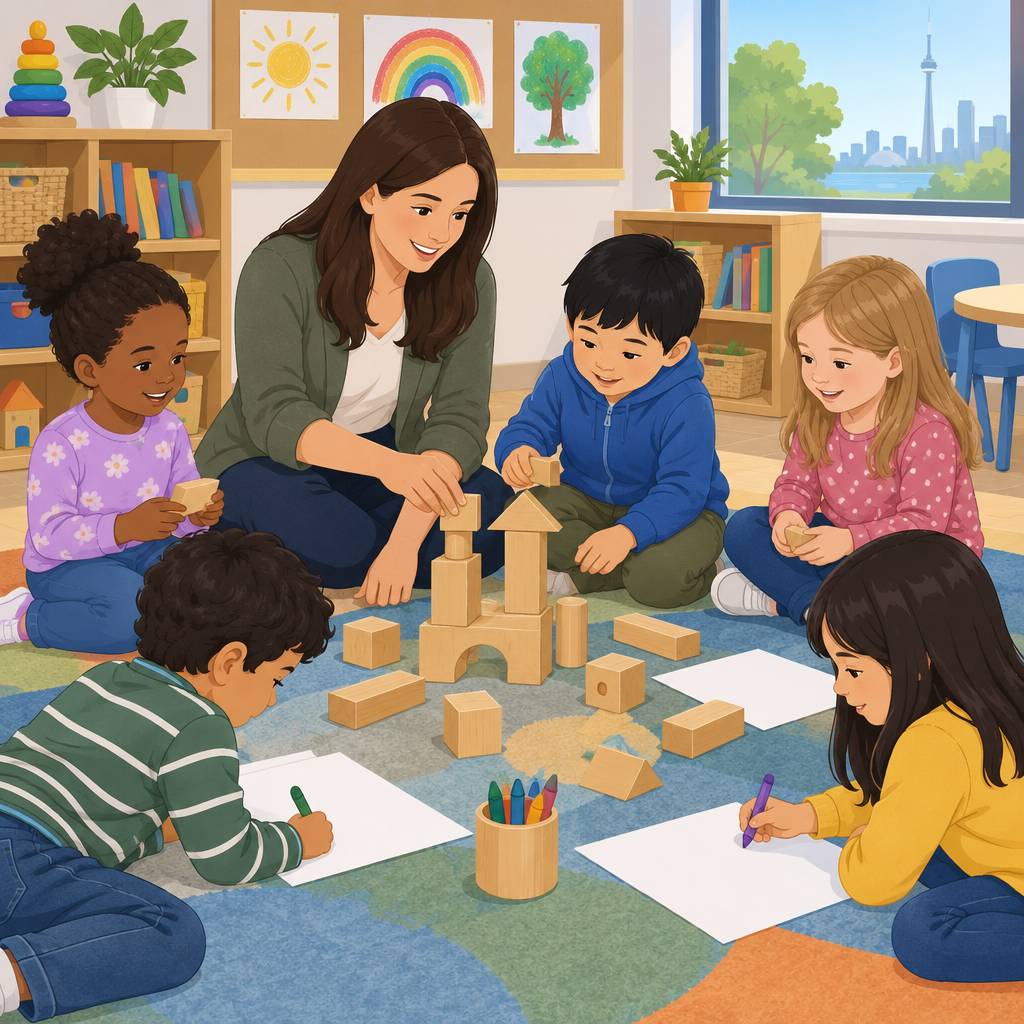
Early childhood educators create rich learning environments that stimulate young minds.
They introduce children to basic concepts through play and exploration.
Moreover, educators tailor activities to encourage problem-solving skills.
Additionally, they use storytelling and questioning to enhance language development.
As a result, children build strong foundations for future academic success.
Supporting Emotional and Social Development
Educators help children recognize and express their emotions appropriately.
They consistently model empathy and positive social interactions.
Furthermore, educators encourage cooperation through group activities.
They also guide children in developing self-regulation and conflict resolution skills.
Consequently, children grow into confident and socially competent individuals.
Promoting Physical Development and Well-being
Teachers plan activities that enhance fine and gross motor skills.
They prioritize a safe and healthy classroom environment for active play.
In addition, educators teach children about personal hygiene and healthy habits.
They collaborate with families to support children’s overall health.
Therefore, physical development becomes an integral part of daily learning.
Building Strong Relationships with Families
Early childhood educators communicate regularly with parents and caregivers.
They share observations and suggest strategies to support learning at home.
Also, they respect each family’s culture and values in their teaching approach.
This partnership reinforces a child’s development inside and outside the classroom.
Ultimately, family engagement strengthens the impact of early education.
Advocating for Quality Early Childhood Education
Educators like Maria Santos advocate for increased resources and professional development.
They participate in community efforts to raise awareness about early learning benefits.
Unlock Your Career Potential
Visualize a clear path to success with our tailored Career Consulting service. Personalized insights in just 1-3 days.
Get StartedAdditionally, they contribute insights to policies that affect young children.
Through their expertise, educators uphold high standards in early childhood programs.
Thus, educators ensure every child receives an enriching start in life.
The Historical Evolution of Early Childhood Education
Early childhood education began taking shape centuries ago in different societies.
Ancient Greece and Rome emphasized basic education and social skills for children.
During the Renaissance, thinkers like Comenius advocated learning through play.
Furthermore, the Enlightenment period brought greater focus to child-centered education.
Philosophers such as John Locke promoted the idea of the child as a blank slate.
Later, Jean-Jacques Rousseau emphasized natural development during the early years.
The Development of Structured Programs
The nineteenth century marked the rise of formal early childhood education programs.
Friedrich Froebel created kindergarten, which fostered learning through play.
His approach encouraged educational experiences that valued creativity and exploration.
Moreover, Maria Montessori introduced child-led activities that encouraged independence.
Her work gained worldwide recognition for its early learning strategies.
At the same time, early educators in the United States adopted these methods.
Expansion and Professionalization in the Twentieth Century
The twentieth century expanded access to early childhood education globally.
Significant research by psychologists like Jean Piaget deepened understanding of child development.
Consequently, educators adapted curricula to suit developmental stages more effectively.
Governments increasingly recognized early education as vital for lifelong success.
Institutional support grew and created numerous training programs for early educators.
This period also encouraged advocacy for improved quality and standards in early childhood settings.
Modern Movements and Innovations
Today, early childhood education incorporates advances in neuroscience and psychology.
Current approaches prioritize inclusive, culturally responsive, and play-based learning.
Additionally, technological tools support interactive and personalized learning experiences.
Furthermore, communities emphasize family engagement and partnerships.
Organizations like the National Association for the Education of Young Children promote professionalism.
Research and community needs continue to influence early childhood education.
Impact of Early Childhood Educators on Social Skills and Emotional Intelligence
Early childhood educators strengthen children’s social skills through daily interactions and purposeful guidance.
They also help children understand emotions and respond to others with greater awareness.
As a result, children receive support for developing respectful relationships and emotional understanding.
Fostering Strong Social Interactions
Early childhood educators create environments where children learn to interact respectfully.
Therefore, children develop communication skills through guided group activities.
Moreover, educators model positive behaviors that children tend to imitate.
For instance, they teach sharing, cooperation, and conflict resolution.
As a result, children gain confidence in social settings and build meaningful friendships.
Enhancing Emotional Awareness and Regulation
Educators help children recognize and name their emotions effectively.
They employ storytelling and role-playing to explain different feelings.
Consequently, children learn how to express emotions in appropriate ways.
Additionally, educators guide children in developing coping strategies during stressful moments.
This support leads to improved emotional regulation and reduced behavioral issues.
Building Empathy and Compassion
Early childhood teachers encourage children to consider others’ perspectives actively.
They design activities that highlight kindness and understanding toward peers.
Furthermore, educators share real-life examples that cultivate empathy in young minds.
Thus, children grow more sensitive to others’ needs and feelings.
This foundation promotes an inclusive and supportive classroom atmosphere.
Collaboration with Families to Support Emotional Growth
Educators communicate regularly with families about children’s social and emotional progress.
They share strategies that parents can use at home to reinforce these skills.
Consequently, this partnership fosters consistency between school and home environments.
Together, teachers and families ensure children receive comprehensive emotional support.
Ultimately, this collaboration helps children thrive both socially and emotionally.
Learn More: Navigating Parent Relationships as an Early Childhood Educator
Recognition Programs and Awards for Early Childhood Educators
Recognition programs strengthen morale among early childhood educators.
They also encourage educators to maintain strong teaching standards.
Furthermore, recognition shows communities how educators support children’s development.
Importance of Recognition in Early Childhood Education
Recognition highlights the valuable work that early childhood educators perform each day.
As a result, educators may feel more motivated to continue effective teaching practices.
Meanwhile, families and communities gain greater awareness of educators’ contributions.
Types of Recognition Programs Available
Recognition programs operate at national, state, local, and school levels.
Each program can honor educators through awards, appreciation events, or certificates.
Additionally, some programs provide monetary prizes or professional development opportunities.
National and State Awards
Several national organizations present awards to outstanding early childhood educators.
For example, the Early Learning Foundation honors exemplary teachers annually.
State programs, such as the California Educator Excellence Award, also recognize dedication.
These awards often include monetary prizes and professional development opportunities.
Local Community and School-Based Programs
Local programs recognize educators who serve specific communities.
For instance, Bright Futures Academy conducts monthly Teacher Appreciation events.
Neighborhood coalitions may also provide certificates to educators who make a difference.
Consequently, these programs can strengthen relationships between educators and families.
Criteria for Award Selection
Selection committees assess teaching effectiveness and student engagement.
They also consider innovative classroom practices and commitment to inclusivity.
Moreover, peer recommendations and parent feedback often influence decisions.
Committees may also value educators’ ongoing professional development.
Benefits of Receiving Recognition
Recipients gain professional credibility and increased respect within their communities.
Recognition can also create new career opportunities and leadership roles.
Furthermore, awards may motivate educators to pursue additional education and training.
Recognized educators can inspire colleagues to strengthen their own work.
Supporting Recognition Programs
Communities can support awards through donations and event hosting.
For example, Hightower Learning Supplies regularly funds local educator awards.
Parents can also advocate for additional recognition initiatives in schools.
Together, these efforts help sustain appreciation for early childhood educators.
Explore Further: How Early Childhood Educators Shape Future Generations
Challenges Faced by Early Childhood Educators
Early childhood educators support children while managing demanding classroom responsibilities.
They respond to developmental differences, emotional needs, and practical workplace pressures.
Despite these challenges, educators continue creating safe and supportive learning environments.
Managing Diverse Learning Needs
Early childhood educators often encounter children with varied learning abilities.
They adapt teaching methods to meet individual developmental stages.
Furthermore, they create inclusive environments to support diverse backgrounds.
These efforts ensure every child receives personalized attention and care.
Balancing Emotional and Physical Demands
Educators manage emotional challenges related to children’s behaviors and needs.
They maintain patience while addressing tantrums and social conflicts.
In addition, physical stamina helps educators engage actively with young children.
Consequently, educators develop resilience to sustain their dedicated work.
Limited Resources and Support
Many educators face shortages in teaching materials and classroom supplies.
Budget constraints also limit access to professional development opportunities.
Moreover, staffing shortages increase workload and stress levels significantly.
Therefore, educators often seek creative solutions to overcome these obstacles.
Contributions of Early Childhood Educators
Early childhood educators provide consistent guidance during children’s formative learning experiences.
They strengthen classroom development while working closely with families and communities.
As a result, their support influences children’s readiness for future educational experiences.
Fostering Cognitive and Social Development
These professionals lay the foundation for lifelong learning and curiosity.
They encourage problem-solving skills through play and exploration activities.
Additionally, they teach cooperation, sharing, and communication skills among peers.
This early guidance promotes healthy emotional and social growth in children.
Supporting Families and Communities
Educators collaborate with families to support children’s developmental milestones.
They provide resources and advice to strengthen parent-child relationships.
Furthermore, they connect families to local community programs and services.
In this way, they enhance overall support systems for young children.
Shaping Future Educational Success
Early educators prepare children for smooth transitions to formal schooling.
They build essential literacy and numeracy skills through engaging lessons.
Moreover, they instill confidence and curiosity that encourage academic success.
As a result, they contribute significantly to long-term educational outcomes.
Explore Further: Supporting Diversity as an Early Childhood Educator in Canada
The Importance of Continuous Professional Development for Educators
Continuous professional development helps educators refine their practice and respond to changing needs.
It supports stronger teaching, current knowledge, professional confidence, and career growth.
Educational organizations can make this learning practical through training, mentorship, and collaboration.
Enhancing Teaching Skills
Continuous professional development sharpens educators’ teaching skills effectively.
Moreover, it introduces new instructional strategies that engage young learners.
Educators like Maria Thompson attend workshops to improve classroom management techniques.
As a result, children benefit from a more stimulating and supportive learning environment.
Keeping Up with Educational Advancements
Early childhood education evolves rapidly with new research and technology.
Therefore, educators must stay updated to apply the latest best practices.
For example, Samuel Evers integrates digital tools after attending a recent conference.
This continuous learning helps maintain high-quality education standards throughout their careers.
Fostering Professional Confidence and Motivation
Ongoing development builds confidence by reinforcing educators’ expertise.
Additionally, it motivates them by recognizing their commitment to lifelong learning.
Jessica Nolan reports greater job satisfaction after completing specialized training sessions.
Consequently, motivated educators create more positive and productive classroom experiences.
Opportunities for Career Advancement
Professional development opens doors to leadership and specialized roles.
For instance, Michael Grant advanced to a curriculum coordinator position through extra certification.
Moreover, these opportunities encourage educators to set ambitious career goals.
Thus, continuous learning strengthens the entire early childhood education workforce.
Support from Educational Organizations
Schools and organizations actively offer professional development programs.
The Bright Horizons Learning Center recently launched a mentorship initiative for its teachers.
Such support makes learning accessible and tailored to educators’ specific needs.
Therefore, institutions play a vital role in sustaining professional growth.
Key Components of Effective Professional Development
- Relevant training focused on early childhood education topics.
- Collaborative learning opportunities with peers and experts.
- Ongoing feedback and reflection to improve practices continuously.
- Flexible scheduling to accommodate busy educator workdays.
Implementing these components ensures professional development yields meaningful results.
Discover More: Early Childhood Educator Salary Expectations in Canada
Building Partnerships: Collaboration Between Educators and Families
Strong educator-family partnerships connect home and school experiences.
Clear communication helps families and educators support children together.
Shared planning also builds trust around children’s learning and development.
Creating Open Communication Channels
Effective collaboration begins with open and honest communication.
Early childhood educators encourage families to share their insights regularly.
Moreover, educators provide updates on children’s progress and daily experiences.
They use various communication methods such as newsletters, emails, and face-to-face meetings.
Consequently, families feel informed and valued in the educational process.
Engaging Families in Learning Activities
Educators invite families to participate in classroom events and learning activities.
This involvement fosters a stronger connection between home and school environments.
For example, Mary Thompson from Little Sprouts Academy organizes family reading days monthly.
These events create opportunities for parents to support their children’s early literacy skills.
Additionally, educators provide resources to help families continue learning at home.
Respecting Cultural Diversity and Family Values
Recognizing diverse backgrounds strengthens educator-family partnerships.
Educators like Carlos Ramirez integrate multicultural celebrations into the curriculum.
This approach honors family traditions and promotes inclusivity.
Furthermore, educators seek to understand each family’s values and preferences.
Respecting these differences builds trust and encourages active family engagement.
Collaborative Problem Solving and Goal Setting
Educators work closely with families to identify children’s developmental needs.
Together, they set realistic goals tailored to each child’s strengths.
For instance, Sunshine Early Learning Center schedules regular conferences to discuss progress.
These meetings enable educators and families to address challenges promptly.
Therefore, collaborative solutions enhance children’s learning experiences effectively.
Benefits of Strong Educator-Family Partnerships
Strong partnerships contribute significantly to children’s emotional security and academic success.
They foster consistent support between home and classroom settings.
Moreover, families gain confidence in their roles as their child’s first teachers.
Educators also benefit from valuable insights that improve instructional strategies.
Ultimately, collaboration creates a nurturing environment that promotes lifelong learning.
Advocacy for Early Childhood Education
Early childhood educators actively advocate for their profession.
They emphasize that quality education shapes children’s future success.
Moreover, educators share stories that reveal daily challenges and rewards.
Voices of Educators
For instance, Clara Hernandez, a preschool teacher, stresses the value of personalized attention.
She explains that tailored support boosts young learners’ confidence and curiosity.
Similarly, Jamal Thompson, an early learning center director, calls for increased funding.
This funding supports better materials and smaller class sizes.
In addition, educators collaborate with policymakers to influence educational standards.
They participate in forums that promote children’s cognitive and emotional development.
Furthermore, many educators support public awareness campaigns about early education benefits.
These campaigns highlight long-term societal gains, including reduced dropout rates.
Teachers also stress the need for professional respect and fair wages.
Meanwhile, Linda Zhao, a child development specialist, advocates for career recognition.
She argues that valuing educators encourages retention and attracts new talent.
Consequently, these voices support policies that improve working conditions.
Collectively, early childhood educators strengthen calls for comprehensive educational reform.
Their experiences show how investment in young learners creates lifelong advantages.
Therefore, communities need educator perspectives when shaping effective education policies.
By amplifying these voices, communities can support thriving early learning environments.


