




Essential Hand Tools
HVAC technicians should maintain a dependable selection of essential hand tools.
These tools support practical work during HVAC service and maintenance.
A dependable selection helps technicians approach service tasks efficiently.
Choosing the Right Tools
Technicians should choose hand tools that match their regular work.
Comfortable tools support repeated use during service tasks.
Additionally, technicians should select tools that they can handle with control.
A focused selection keeps essential tasks manageable.
Organizing Hand Tools
Technicians should organize hand tools for quick access.
Grouping similar tools together makes them easier to locate.
Meanwhile, frequently used tools should remain within convenient reach.
Technicians should return each tool to its assigned location after use.
Consequently, an orderly workspace supports efficient service work.
Maintaining Tool Condition
Technicians should inspect hand tools before using them.
They should check every tool for visible damage or excessive wear.
After use, cleaning preserves each tool’s working condition.
Proper storage protects tools between service tasks.
Technicians should replace tools when their condition prevents controlled use.
Using Hand Tools Effectively
Technicians should use each hand tool for its intended task.
Steady control works better than forcing a tool.
Furthermore, technicians should stay focused while handling tools.
Methodical work reduces unnecessary tool changes.
Therefore, prepared hand tools help technicians work efficiently.
Choosing the Right Measuring Instrument
Measuring instruments help HVAC technicians gather information during service work.
Each instrument supports a different type of measurement.
Therefore, technicians should match the instrument to the task.
Unlock Your Career Potential
Visualize a clear path to success with our tailored Career Consulting service. Personalized insights in just 1-3 days.
Get StartedTemperature Measuring Instruments
Temperature measuring instruments show conditions within HVAC equipment and connected areas.
Technicians can compare temperature readings during inspection and adjustment work.
They should position the instrument consistently for each reading.
Additionally, technicians should record readings clearly for accurate comparison.
Pressure Measuring Instruments
Pressure measuring instruments help technicians check pressure conditions within HVAC systems.
Technicians should select an instrument that matches the measurement requirement.
They should also connect and use the instrument according to its instructions.
Consistent placement helps technicians compare readings more effectively.
Electrical Measuring Instruments
Electrical measuring instruments provide measurements for HVAC electrical components and connections.
Technicians should identify the required measurement before using an electrical instrument.
They should follow the instrument’s operating instructions during every measurement.
Careful handling supports clear and repeatable readings.
Airflow Measuring Instruments
Airflow measuring instruments help technicians assess air movement within HVAC systems.
Technicians should use consistent positions when taking airflow measurements.
They should document the readings alongside the related equipment information.
This approach makes later comparisons easier.
Humidity Measuring Instruments
Humidity measuring instruments provide information about moisture conditions in HVAC environments.
Technicians should allow the instrument to measure the intended area.
They should avoid changing the measurement position unnecessarily.
Clear records help technicians review changing conditions.
Using Instruments Consistently
Technicians should inspect each instrument before beginning measurement work.
They should check the display, connections, and operating condition.
Next, they should choose a suitable measurement location.
Then, they should take readings using the same process whenever possible.
Finally, they should record each measurement and identify its location.
Maintaining Measurement Accuracy
Technicians should keep measuring instruments clean and protected between uses.
They should follow the manufacturer’s instructions for care and storage.
Regular checks help technicians identify potential instrument problems.
When readings appear inconsistent, technicians should review the instrument and measurement process.
They should avoid relying on unclear readings.
Instead, they should repeat the measurement using an appropriate instrument.
Power Tools for Efficient HVAC Work
Power tools help HVAC technicians complete demanding tasks with greater efficiency.
They can support installation, adjustment, removal, and maintenance work.
However, technicians should match each power tool to the specific task.
Task Efficiency with Power Tools
Power tools can reduce the manual effort required during HVAC work.
They also help technicians maintain steady progress across repeated tasks.
Therefore, selecting suitable tools can support a more organized workflow.
Tool Selection for the Work Area
Technicians should consider the available workspace before choosing a power tool.
Compact equipment can support work in restricted areas.
Meanwhile, tools with suitable handling can improve control during detailed tasks.
Technicians should also consider access requirements before beginning work.
Consistent Results with Power Tools
Power tools can help technicians apply consistent movement during suitable tasks.
This consistency can support accurate, orderly work when technicians use proper control.
Nevertheless, technicians must avoid using excessive force or unnecessary speed.
Careful operation helps maintain control throughout each task.
Organized Access to Power Tools
Technicians should keep commonly used power tools organized and accessible.
Good organization reduces unnecessary searching during active work.
It also helps technicians return tools to consistent locations after use.
Additionally, organized storage supports a cleaner and more efficient workspace.
Pre-Use Tool Inspection
Technicians should inspect each power tool before operating it.
They should check the tool’s visible condition and operating readiness.
Any concern should receive attention before the technician continues working.
Regular inspection helps technicians identify problems before tool use.
Responsible Power Tool Operation
Technicians should operate power tools according to the task requirements.
They should maintain control and focus while using powered equipment.
Furthermore, technicians should keep the work area clear during operation.
Proper handling supports efficient work while reducing avoidable disruptions.
Practical Tool Maintenance Routine
Technicians should clean, organize, and check power tools after completing work.
This routine keeps equipment prepared for future HVAC tasks.
It also helps technicians notice condition changes over time.
As a result, consistent tool care supports dependable daily preparation.
Explore Further: Best Training Programs for Aspiring HVAC Technicians
Diagnostic Tools for Troubleshooting HVAC Systems
Diagnostic tools help HVAC technicians investigate system conditions during troubleshooting.
Technicians use these tools to gather information before identifying possible system issues.
Therefore, technicians use diagnostic information to guide the troubleshooting process.
Tool Selection for Diagnostic Tasks
First, technicians should select tools that match the troubleshooting task.
Each diagnostic tool should support a clear inspection or verification step.
Therefore, technicians should understand each tool’s purpose before using it.
Inspection of System Conditions
Technicians use diagnostic tools to examine relevant system conditions.
Next, they gather observations that help guide the troubleshooting process.
Additionally, they compare gathered information with the system’s expected operation.
Verification of System Operation
Diagnostic tools help technicians check whether system components operate as expected.
Meanwhile, technicians should use consistent methods when checking system performance.
Consequently, consistent checks make collected information easier to review.
Organization of Diagnostic Findings
Technicians should record important findings during troubleshooting.
Clear records help connect observations with possible system concerns.
Moreover, organized information supports a more focused diagnostic process.
Methodical Troubleshooting Process
Technicians should begin with the available system information.
Next, they should select diagnostic tools for the specific inspection.
Then, they should gather and review the results carefully.
Finally, they should use those findings to guide further troubleshooting.
Explore Further: Common Myths About Working as an HVAC Technician
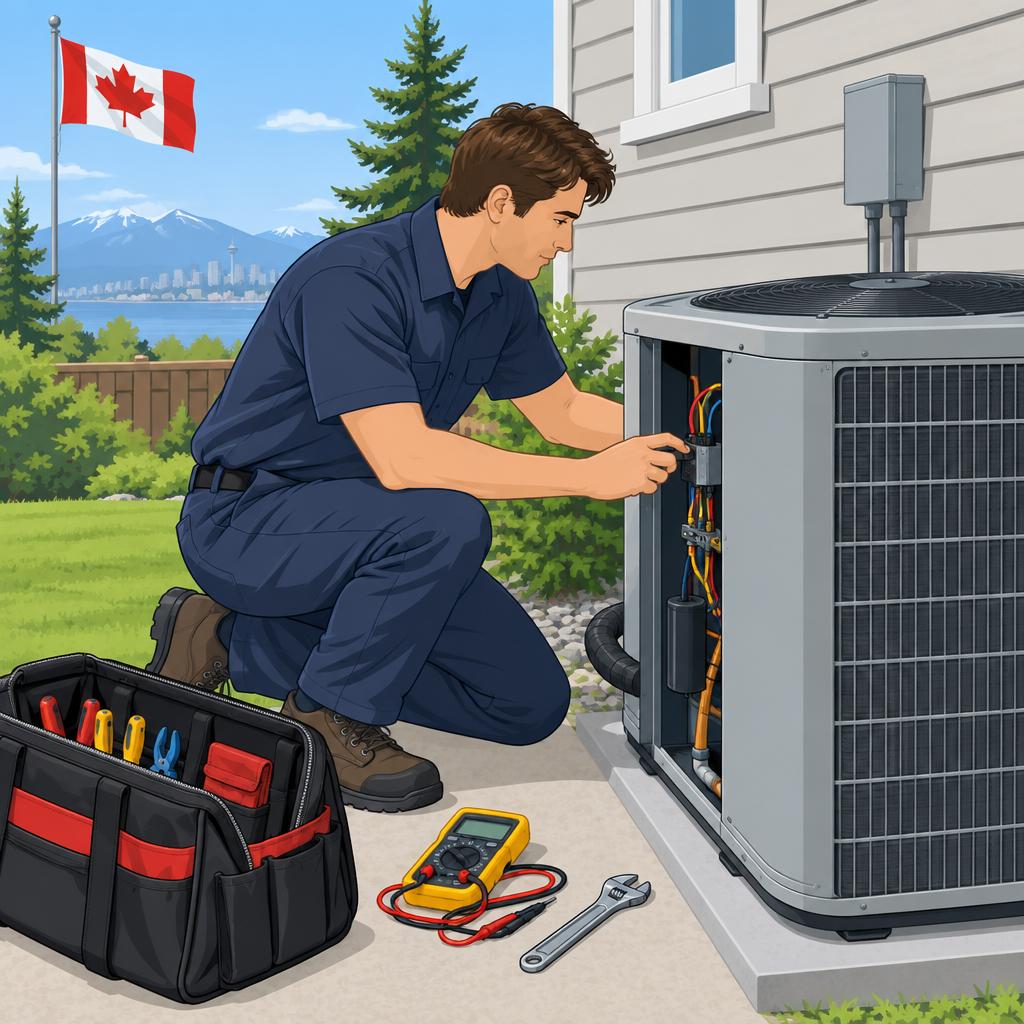
Safety Equipment Necessary for HVAC Technicians
Safety equipment helps HVAC technicians approach workplace hazards with greater protection and preparedness.
Technicians should select protective equipment that matches each task and working environment.
Protective equipment can help shield the eyes, hands, hearing, breathing, and body.
Personal Protective Equipment
Additionally, technicians should inspect their equipment before beginning work.
They should replace damaged, worn, or unsuitable protective equipment promptly.
Regular inspections help technicians maintain suitable protection throughout their work.
Protection for the Face and Eyes
Eye and face protection helps technicians manage tasks that may create workplace hazards.
Technicians should choose protection that fits securely and supports clear visibility.
They should keep protective eyewear clean and check it for damage.
Hand and Foot Protection
Hand protection supports safer handling during HVAC work.
Technicians should select hand protection suited to the task.
Foot protection provides an additional safety layer while technicians work.
Moreover, technicians should ensure their footwear fits properly and remains in suitable condition.
Hearing and Respiratory Protection
Some HVAC work may require additional protection for hearing or breathing.
Technicians should assess the work area before selecting this equipment.
They should use protective equipment consistently when the task requires it.
Protective Clothing and Equipment Checks
Protective clothing can help technicians prepare for different work conditions.
Technicians should keep clothing secure and avoid loose items during work.
Before each task, they should confirm that safety equipment remains available and usable.
Afterward, they should clean, store, and inspect equipment according to its condition.
Therefore, consistent equipment checks support safer and more organized HVAC work.
Gain More Insights: Advantages of Becoming a Certified HVAC Technician
Installation Tools for HVAC Systems
Installation tools help technicians position HVAC components accurately.
They also support secure connections and controlled adjustments during system assembly.
Therefore, technicians should prepare suitable tools before beginning each installation task.
Tool Preparation Before Installation
First, review the installation requirements before selecting the necessary tools.
Then, gather tools that match the system components and planned installation tasks.
Check every tool for cleanliness, proper operation, and visible damage.
Furthermore, organize the tools for efficient access during installation.
Accurate Component Positioning
Installation work requires careful positioning before technicians secure system components.
Use suitable tools to maintain alignment during placement and connection.
Additionally, confirm that installed components remain stable throughout the process.
Proper positioning supports orderly work and reduces unnecessary adjustments.
Secure Component Assembly
Technicians use installation tools to secure components during HVAC system assembly.
Select tools that provide controlled handling for each fastening or securing task.
Apply steady pressure while securing components, and avoid unsuitable tools.
Consequently, careful tool selection supports consistent installation work.
Careful Component Connections
Installation tools also support connections between HVAC system components.
Choose tools that fit connection requirements and allow controlled movement.
Next, complete each connection carefully before starting the following step.
Inspect completed connections to confirm secure and proper positioning.
Installation Tool Readiness
Keep installation tools clean and organized throughout the work.
Return each tool to its designated location after completing a task.
Moreover, remove damaged tools from active use until technicians address the issue.
Regular tool care helps technicians maintain reliable preparation for future installations.
Task-Based Tool Selection
Different installation tasks require varying levels of control and access.
Therefore, technicians should consider the component, location, and required adjustment.
Avoid using one tool for every task when another option provides better control.
This approach keeps installation work organized and supports careful component handling.
Learn More: Top Industries Hiring Skilled HVAC Technicians Today
Maintenance Tools for Regular HVAC Servicing
Technicians use maintenance tools to support consistent servicing during routine HVAC work.
These tools help organize inspection, cleaning, adjustment, and component service activities.
They also support an organized approach to regular maintenance tasks.
Maintenance-Focused Tool Selection
Choose tools according to the maintenance task and the equipment being serviced.
First, identify the required task before selecting an appropriate maintenance tool.
Then, confirm that each tool suits the planned service activity.
This approach keeps the maintenance process focused and organized.
Cleaning and Surface Care
Cleaning tools support routine care for accessible HVAC surfaces and components.
Use suitable cleaning tools to remove accumulated material during regular servicing.
However, match each cleaning method with the surface being serviced.
Keep cleaning tools separate from adjustment and component-handling tools.
Adjustment and Component Service
Maintenance often requires tools that support adjustments and component servicing.
Use the correct tool for each adjustment to maintain controlled handling.
Additionally, inspect components before beginning any service activity.
Handle removed components carefully during maintenance work.
Tool Readiness Before Service
Prepare maintenance tools before starting the service procedure.
Check each tool for cleanliness, condition, and usability.
Replace or remove any tool that cannot support the planned task.
Furthermore, arrange tools so technicians can access them efficiently.
Organized Service Workflow
Organize tools according to the order of the maintenance tasks.
This arrangement helps technicians move smoothly between service activities.
Keep frequently used tools within easy reach during regular servicing.
After each task, return tools to their designated locations.
Post-Service Tool Care
Clean maintenance tools after completing the service activity.
Store each tool properly to keep the service area organized.
Review the tools after use and identify any needed attention.
Finally, prepare the tools for the next maintenance task.
Specialized Tools for Refrigeration and Air Conditioning Repair
Specialized tools support repair tasks that require focused refrigeration and air conditioning knowledge.
These tools help technicians work with greater control during inspection, adjustment, and service.
They also help technicians manage specialized repair tasks in an organized manner.
Tools for Refrigeration Circuit Work
Refrigeration circuit tools help technicians perform focused work within cooling systems.
Moreover, these tools support careful handling during service.
Technicians should select tools that match system and task requirements.
Tools for Air Conditioning Components
Air conditioning repair requires tools suited to the system components under examination.
These specialized tools help technicians access, adjust, and service components efficiently.
Furthermore, task-specific equipment can reduce unnecessary handling during repairs.
Tools for Refrigerant-Related Service
Refrigerant-related service requires specialized equipment and careful working practices.
Technicians should use appropriate tools when repair work involves the refrigeration circuit.
Therefore, each tool should support controlled service and sound technical judgment.
Choosing Specialized Equipment
Technicians should choose specialized tools according to the repair task and system type.
They should also consider tool compatibility before beginning service work.
Additionally, a well-selected tool can support accuracy throughout a focused repair.
Organizing Specialized Tools
Technicians should keep specialized equipment organized and ready for use.
Clear organization helps technicians identify the correct tool before starting repairs.
It also supports efficient movement between inspection, adjustment, and service tasks.
Maintaining Specialized Tools
Regular tool care helps preserve the usefulness of specialized refrigeration equipment.
Technicians should inspect each tool before use and address visible concerns promptly.
Additionally, proper storage helps protect specialized tools between service calls.
Using Tools With Deliberate Technique
Specialized tools require deliberate handling during refrigeration and air conditioning repairs.
Technicians should follow the intended use of each tool throughout the task.
They should also avoid forcing equipment when resistance interrupts normal operation.
Finally, careful technique helps technicians maintain control during specialized repair work.
Additional Resources
Google search results for Tools Every HVAC Technician Should Have and Use Trades and Labor
Bing search results for Tools Every HVAC Technician Should Have and Use Trades and Labor


