




Myth About HVAC Technicians’ Work Schedule
Many people believe HVAC technicians only work in summer and winter months.
This misconception overlooks the year-round demands of HVAC systems.
In fact, HVAC technicians often encounter work during spring and fall as well.
Understanding the HVAC Work Cycle
The need for maintenance and repairs continues regardless of the season.
Summer typically brings high temperatures, leading to increased air conditioning usage.
During winter, heating systems require attention to maintain comfort levels.
Seasonal Variations in Demand
Consequently, technicians face a surge in service calls to address cooling issues.
In both cases, technicians must be available and ready to respond promptly.
Many homeowners schedule routine checkups to prevent unexpected breakdowns.
Importance of Routine Maintenance
Regular maintenance happens throughout the year, not just in peak seasons.
This proactive approach helps keep HVAC systems running efficiently.
Technicians ensure systems operate smoothly by adjusting and cleaning components.
Emergency Repairs and Off-Season Work
HVAC issues can arise unexpectedly, necessitating immediate technician response.
Emergencies do not adhere to seasonal schedules; they can happen anytime.
During off-peak months, technicians often find time for training and skills enhancement.
This ensures they remain knowledgeable about the latest technologies and practices.
HVAC Jobs Are Not Well-Paying Careers
Many people believe HVAC jobs do not offer competitive wages.
However this is a common misconception.
In reality HVAC technicians can earn a substantial income.
According to industry reports many technicians earn a solid salary.
Entry-level positions often start at a respectable wage.
To put it simply skilled HVAC workers are in high demand.
This demand drives up wages across the industry.
Factors Influencing Salaries
Several factors determine the pay for HVAC technicians.
Experience plays a significant role in wage levels.
Unlock Your Career Potential
Visualize a clear path to success with our tailored Career Consulting service. Personalized insights in just 1-3 days.
Get StartedTechnicians with years of experience often command higher salaries.
Additionally specialization can lead to increased pay.
Technicians who focus on high-demand areas earn even more.
Geographic location also affects salary levels.
In regions with higher living costs HVAC salaries typically rise.
Benefits Beyond Salary
Moreover many HVAC jobs include benefits beyond just salary.
These benefits can enhance overall compensation significantly.
Common benefits include health insurance and retirement plans.
Some companies also offer performance bonuses and overtime pay.
These perks can make HVAC careers more financially appealing.
Long-Term Career Growth
Furthermore HVAC careers offer opportunities for advancement.
Technicians can progress to supervisory or managerial roles.
Some choose to start their own businesses.
This potential for growth adds value to HVAC careers.
Consequently the payoff can be substantial over time.
Myth: You Need a College Degree to Become an HVAC Technician
Many believe a college degree is mandatory for an HVAC technician career.
This myth can discourage talented individuals from pursuing a rewarding profession.
In reality, most HVAC technicians do not possess traditional college degrees.
Instead, many succeed through vocational training and apprenticeships.
Vocational Training and Certifications
Vocational schools offer tailored programs for aspiring HVAC technicians.
These programs cover essential skills in a hands-on environment.
Additionally, certifications from organizations like HVAC Excellence can enhance credibility.
Apprenticeship Opportunities
Apprenticeships provide practical experience under the guidance of seasoned professionals.
These programs often combine on-the-job training with classroom instruction.
Furthermore, they can help participants earn while they learn.
Real-World Experience Matters
Employers often prioritize practical experience over formal education.
Hands-on skills are essential for troubleshooting and repairing HVAC systems.
Many technicians build their knowledge through years of service in the field.
Career Advancement without a Degree
Technicians can advance in their careers without a college diploma.
Many go on to specialize in areas like refrigeration or system design.
Additionally, leadership roles may be attainable through experience and training.
Explore Further: Advantages of Becoming a Certified HVAC Technician
Myth: HVAC Technicians Only Install Air Conditioning Units
Many people assume that HVAC technicians focus solely on air conditioning systems.
However, their expertise extends far beyond just installation.
HVAC stands for heating, ventilation, and air conditioning.
Understanding the Role of HVAC Technicians
This means technicians are trained to handle all aspects of climate control.
Technicians need to possess a broad base of knowledge.
They must understand the mechanics of heating systems.
Diverse Responsibilities of HVAC Technicians
HVAC technicians perform multiple tasks daily.
First, they install various systems, including heating and ventilation units.
In addition to installation, they also conduct routine maintenance.
Service calls include inspections, repairs, and troubleshooting existing systems.
Additionally, they offer solutions for energy efficiency improvements.
Importance of Comprehensive Knowledge
Moreover, they need to grasp the principles of airflow and air quality.
Familiarity with refrigeration cycles is also essential.
This expertise allows them to address a variety of customer needs.
Diverse Skill Sets and Professional Impact
The myth that HVAC technicians only install air conditioning units is misleading.
In reality, they play a vital role in maintaining comfortable indoor environments.
Whether through installation, repair, or maintenance, their work is essential.
Thus, the HVAC profession is about much more than just air conditioning.
Discover More: Top Industries Hiring Skilled HVAC Technicians Today
Working as an HVAC Technician Is Not a Low-Skilled Job
Many people wrongly believe that HVAC work requires little skill.
However, the role demands technical knowledge of systems and controls.
Furthermore, technicians must combine electronics and mechanical expertise to solve issues.
Understanding the Skill Set
Technicians must understand complex heating, cooling, and ventilation systems.
They also require skills in electronics for controls and diagnostics.
Moreover, mechanical knowledge helps them maintain moving parts and ductwork.
Training and Certification
Most HVAC professionals undergo extensive training programs.
Many complete apprenticeship programs that last four to five years.
Additionally, certifications such as those from the EPA are crucial for handling refrigerants.
These credentials demonstrate commitment to safety and regulatory compliance.
Problem-Solving Abilities
Effective HVAC work requires critical thinking and strong diagnostic skills.
Technicians routinely troubleshoot problems that are not immediately obvious.
They analyze system performance and identify areas for improvement.
Therefore, technicians must continually update their knowledge as technology evolves.
The Importance of Customer Service
Technical skills alone do not define a successful HVAC technician.
Excellent customer service skills play a vital role in their work.
Technicians must communicate effectively to understand client needs.
Also, they explain technical issues in simple language to build rapport.
Consequently, strong interpersonal skills increase credibility and customer satisfaction.
Gain More Insights: HVAC Technician Career Paths and Growth Opportunities
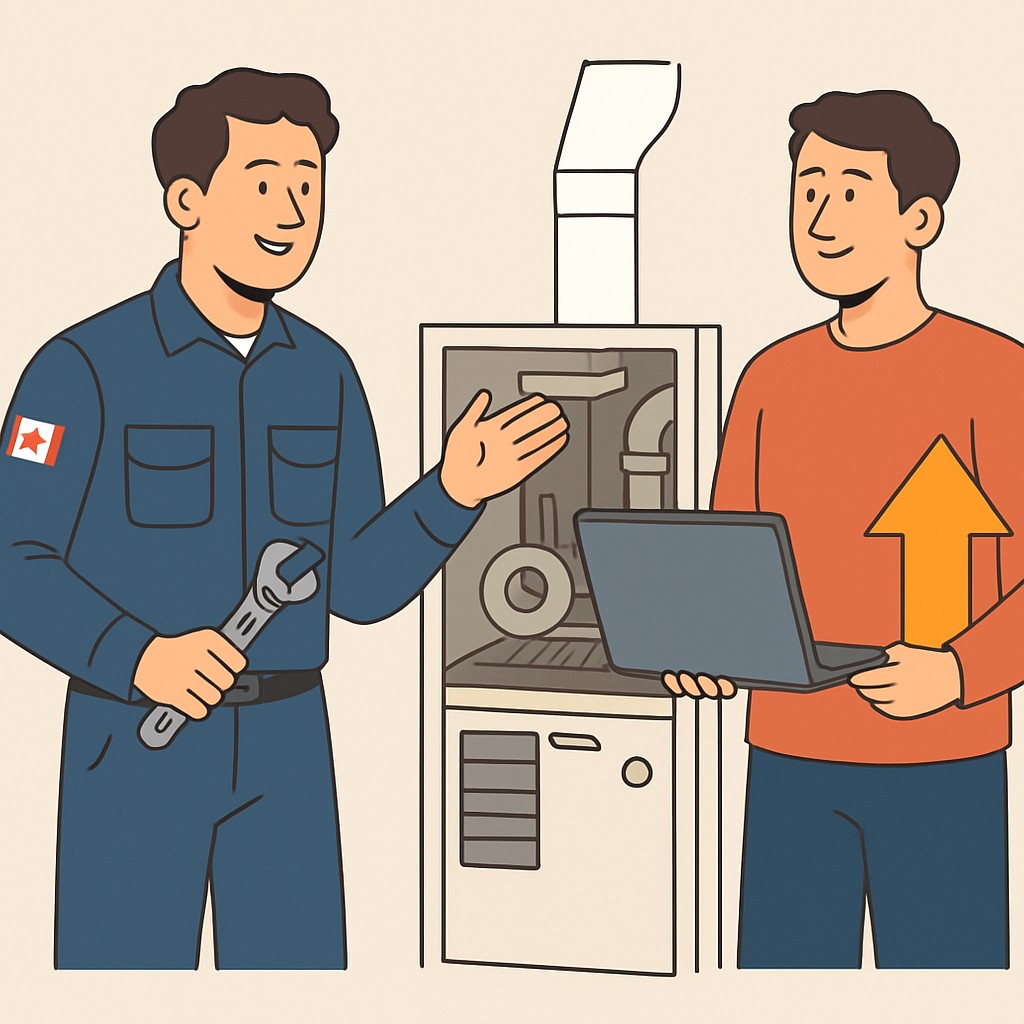
HVAC Work is a Stable Career Choice
The HVAC industry is experiencing steady job demand.
Many factors contribute to this stability.
As homes and businesses require climate control, technicians are essential.
Job Demand in the Industry
In fact, more buildings mean more HVAC systems to maintain.
Additionally, energy efficiency trends boost job opportunities.
First, there is a continuous need for system maintenance and repair.
Career Longevity
HVAC technicians enjoy long-term career prospects.
Many technicians remain in the field for years.
Moreover, seasoned professionals often command higher salaries.
Technological Advancements
Innovation in HVAC technology opens new career paths.
Smart systems and energy-efficient equipment are gaining popularity.
Technicians who adapt to new technologies enhance their skills.
Job Security Factors
Several factors contribute to job security in HVAC work.
Seasonal changes create regular demand for services.
Many companies offer competitive salaries and benefits.
Opportunities for Growth
Growth opportunities are abundant in the HVAC field.
Many professionals move into supervisory or management roles.
Others specialize in niche areas like refrigeration or HVAC design.
See Related Content: How to Start a Career as an HVAC Technician in Canada
Work Environment and Schedule of HVAC Technicians
This section describes where and when HVAC technicians typically work.
It highlights indoor and outdoor tasks and schedule variability.
The following subheadings provide specific examples and details.
Indoor and Outdoor Work
Many people mistakenly think HVAC technicians work only indoors.
In reality, these professionals often perform tasks outdoors.
For example, they may service rooftop air conditioning units.
Additionally, they may install heating systems in basements.
Consequently, they must manage varying weather conditions.
Flexible Schedules
Some believe HVAC technicians keep predictable work schedules.
However, their hours often vary based on client demand.
They sometimes work evenings and weekends to meet needs.
Also, emergency calls can disrupt planned schedules.
Consequently, each job may require unexpected time commitments.
Variety in Daily Tasks
Daily tasks vary widely for HVAC technicians.
One day technicians install a new heating system.
Another day they troubleshoot a faulty air conditioner.
This variety keeps the work engaging and dynamic.
Over time, technicians develop a broad skill set.
All HVAC Technicians Are Self-Employed or Work for Themselves
The HVAC workforce includes varied employment arrangements.
Some technicians operate their own businesses while others work as employees.
Employment choices reflect personal preferences and role responsibilities.
Understanding the Reality
A common myth claims all HVAC technicians are self-employed.
Many people believe self-employment is the only industry option.
Yet the field actually offers a range of employment models.
Employment Opportunities
Many HVAC technicians work for established companies.
For example, larger firms like Climate Masters and AirWave Solutions employ many technicians.
These companies offer benefits and structured training programs.
The Benefits of Working for a Company
Working for an established company provides job security.
Employees often receive health benefits and retirement plans.
They also gain access to organized training that enhances skills.
Self-Employment as an Option
Self-employment exists as a valid career option for some technicians.
Some technicians prefer the independence of managing their own business.
At the same time, this path involves significant administrative and financial responsibilities.
The Industry Landscape
The HVAC industry covers residential, commercial, and industrial work.
Technicians can specialize in different sectors based on skills.
Each sector presents distinct technical challenges and career opportunities.
Employment Options in HVAC Careers
The HVAC profession offers diverse employment options.
While some technicians run their own shops, many work for firms.
Understanding these options helps individuals choose suitable career paths.
Additional Resources
Google search results for Common Myths About Working as an HVAC Technician Trades and Labor
Bing search results for Common Myths About Working as an HVAC Technician Trades and Labor


