




Understanding HVAC Systems and Components
HVAC systems control heating, ventilation, and air conditioning in buildings.
They ensure a comfortable and safe indoor environment year-round.
These systems consist of mechanical and electrical components working together.
Key Components of HVAC Systems
Main components include the furnace, air conditioner, heat pump, and ventilation ducts.
A furnace generates heat through combustion or electric resistance.
Air conditioners remove heat and humidity from indoor air via refrigeration cycles.
Heat pumps transfer heat between indoor and outdoor environments in both directions.
Ventilation ducts distribute conditioned air throughout the building.
Technicians often work with thermostats, filters, and control boards as well.
HVAC System Types and Applications
Common system types include split systems, packaged units, and ductless mini-splits.
Split systems separate indoor and outdoor units for heating and cooling.
Packaged units combine components into one external cabinet for compact spaces.
Ductless mini-splits offer flexible installation without extensive ductwork.
Each system suits different building types, sizes, and climate conditions.
Understanding variations helps technicians recommend appropriate solutions.
Importance of Reading Technical Manuals and Schematics
Technicians must interpret wiring diagrams and manufacturer manuals accurately.
These documents provide detailed instructions and specifications for each system.
Proper reading prevents errors and improves repair speed.
Manufacturers like Trane, Carrier, and Lennox offer comprehensive technical resources.
Consistent study of such materials strengthens a technician’s expertise and confidence.
Safety Considerations in System Handling
HVAC systems often involve electrical, gas, and refrigerant hazards.
Technicians should always follow safety protocols to avoid accidents and injuries.
They must use proper personal protective equipment on all jobs.
Knowledge of local codes and regulations ensures compliance and customer safety.
Understanding component functions helps identify unsafe conditions quickly.
Unlock Your Career Potential
Visualize a clear path to success with our tailored Career Consulting service. Personalized insights in just 1-3 days.
Get StartedTools Used in HVAC Component Maintenance
Technicians rely on tools like multimeters, refrigerant gauges, and vacuum pumps.
Hand tools such as wrenches, screwdrivers, and pliers are essential.
Advanced diagnostic equipment assists in pinpointing system malfunctions.
Maintaining tool calibration improves accuracy and repair quality.
Familiarity with these tools enhances a technician’s efficiency and troubleshooting success.
Importance of Technical Knowledge and Skills
Technical knowledge forms the foundation of a successful HVAC career.
Technicians must understand heating, ventilation, and air conditioning systems thoroughly.
They should be skilled in system installation, repair, and maintenance.
Core Competencies for HVAC Technicians
Core competencies include strong knowledge of electrical systems for wiring and controls.
Technicians also need troubleshooting skills to identify and resolve issues quickly.
Hands-on experience complements classroom learning to strengthen technical abilities.
Staying Updated with Industry Advances
HVAC technology constantly evolves with new standards and equipment.
Technicians must keep up with emerging technologies and industry trends.
Furthermore, attending workshops and certification courses enhances professional expertise.
Learning about energy efficient systems increases a technician’s job competitiveness.
Mastering diagnostic tools improves problem solving efficiency.
Safety and Compliance Knowledge
Understanding safety regulations protects both technicians and customers.
Awareness of building codes ensures work meets legal requirements.
Proper handling of refrigerants prevents environmental harm and health risks.
Safety training reduces accidents and promotes a responsible work environment.
Technicians must be familiar with OSHA standards and local guidelines.
Effective Use of Technology and Software
Modern HVAC systems often include advanced control and monitoring software.
Technicians should operate diagnostic and reporting software confidently.
Technology skills enable faster and more precise system analysis.
Using digital tools improves communication with clients and team members.
Continuous learning of new technologies helps maintain technical proficiency.
Diagnostic and Problem-Solving Techniques
Technicians follow a step-by-step process to diagnose HVAC system problems.
They gather customer reports and inspect systems for visible signs.
Technicians document findings and analyze data to identify root causes.
Systematic Troubleshooting Approach
First, technicians collect information from the customer about reported issues.
Next they perform a visual inspection to find obvious malfunctions.
Then they use targeted tests and measurements to narrow down the cause.
Utilizing Advanced Diagnostic Tools
Technicians rely on specialized tools to improve diagnostic accuracy.
Refrigerant gauges let them verify system pressure levels safely.
Digital multimeters measure voltages and currents during electrical checks.
Thermal cameras reveal temperature irregularities without invasive inspection.
Data loggers record operations over time to detect intermittent faults.
Effective Problem-Solving Strategies
Technicians evaluate all plausible causes before choosing a repair plan.
They collaborate with colleagues to obtain alternate perspectives on difficult faults.
Technicians consult manufacturer manuals and technical bulletins when necessary.
They apply step-by-step testing to confirm that repairs address the real problem.
Learning from Real-World Scenarios
Technicians gain skill by working through diverse repair situations in the field.
Marcus Ellis at Metro Cool Solutions handles complex system errors daily.
Regular training sessions simulate challenging scenarios and build technician confidence.
Field notes from peers supply useful insights into uncommon failures.
Technicians combine hands-on experience with ongoing learning to develop expertise.
See Related Content: Tips for Advancing Your Career as an HVAC Technician
Safety Practices and Regulations in HVAC Maintenance
Safety is a top priority for every HVAC technician on the job site.
HVAC technicians must comply with national and local safety regulations.
Wearing the correct personal protective equipment is essential during HVAC maintenance.
Importance of Safety in HVAC Work
Technicians face risks such as electrical shocks, chemical exposure, and mechanical hazards daily.
Therefore, adhering to safety practices protects workers and clients alike.
Moreover, companies like Evergreen Heating Services mandate strict safety protocols.
Following these rules reduces accidents and enhances workplace efficiency.
Understanding Relevant Regulations
The Occupational Safety and Health Administration enforces many workplace safety standards.
For example, OSHA requires proper lockout/tagout procedures to prevent equipment startup.
Additionally, technicians should be familiar with EPA guidelines regarding refrigerant handling.
Compliance ensures environmental safety and avoids costly penalties.
Personal Protective Equipment Use
Technicians typically use gloves, safety goggles, and insulated boots.
Furthermore, respirators protect against inhaling harmful fumes or dust.
Trained professionals, such as those at Northern Climate Control, always check their PPE before starting work.
This habit significantly reduces injury risks on the job.
Safe Handling of Tools and Chemicals
Technicians must use tools and chemicals cautiously to avoid accidents.
Power tools require regular inspection for damage or malfunction.
Similarly, refrigerants and cleaning solvents need proper storage and disposal.
Employees at Horizon HVAC Solutions receive training on safe chemical handling techniques.
Proper procedures protect both human health and the environment effectively.
Emergency Preparedness and Response
HVAC professionals should be prepared for emergencies such as fires or refrigerant leaks.
Technicians must know evacuation routes and emergency contact numbers by heart.
Additionally, workplaces often provide first aid kits and fire extinguishers accessible on site.
Training sessions at companies like Pinnacle Air Services emphasize quick, calm reactions during crises.
This readiness minimizes harm and ensures safety for everyone involved.
Learn More: The Future of Metal Fabrication Technology in Canada
Customer Service Skills for Effective Communication
Customer service skills help HVAC technicians communicate effectively with clients.
Strong communication builds trust and resolves service concerns quickly.
Technicians practice clear speech, listening, and respectful conduct on service calls.
Building Trust with Customers
Technicians should create a positive first impression at each visit.
Greet customers warmly and listen to their concerns with patience.
Active listening lets technicians understand specific customer needs clearly.
Explain technical details in simple words to build trust.
Deliver reliable service to increase satisfaction and encourage loyalty.
Clear and Concise Communication
Speak clearly and with confidence during every customer interaction.
Avoid technical jargon so customers do not misunderstand service information.
Confirm that customers understand proposed work before you begin.
Provide written estimates or brief summaries to support verbal explanations.
These steps help customers feel informed and confident about decisions.
Handling Difficult Situations Calmly
Technicians may encounter frustrated or upset customers during service calls.
Stay calm and show empathy to defuse tense situations promptly.
Acknowledge feelings without becoming defensive to maintain rapport.
Propose clear solutions and provide realistic timelines for repairs.
Remain polite and respectful to encourage constructive interactions under stress.
Importance of Professionalism and Appearance
Professional appearance shows respect for customers and their homes.
Wear clean uniforms and carry proper identification at every appointment.
Arrive on time to demonstrate respect for the customer’s schedule.
Keep the work area tidy to reduce accidents and show care.
These professional habits strengthen a technician’s reputation with clients.
Effective Use of Customer Feedback
Encourage customers to provide honest feedback after each service.
Use short surveys or follow-up calls to collect customer opinions.
Listen carefully to feedback to identify areas needing improvement.
Address concerns promptly to improve retention and trust.
Maintain open communication to support long-term relationships and growth.
Uncover the Details: The Importance of HVAC Technicians in Modern Living
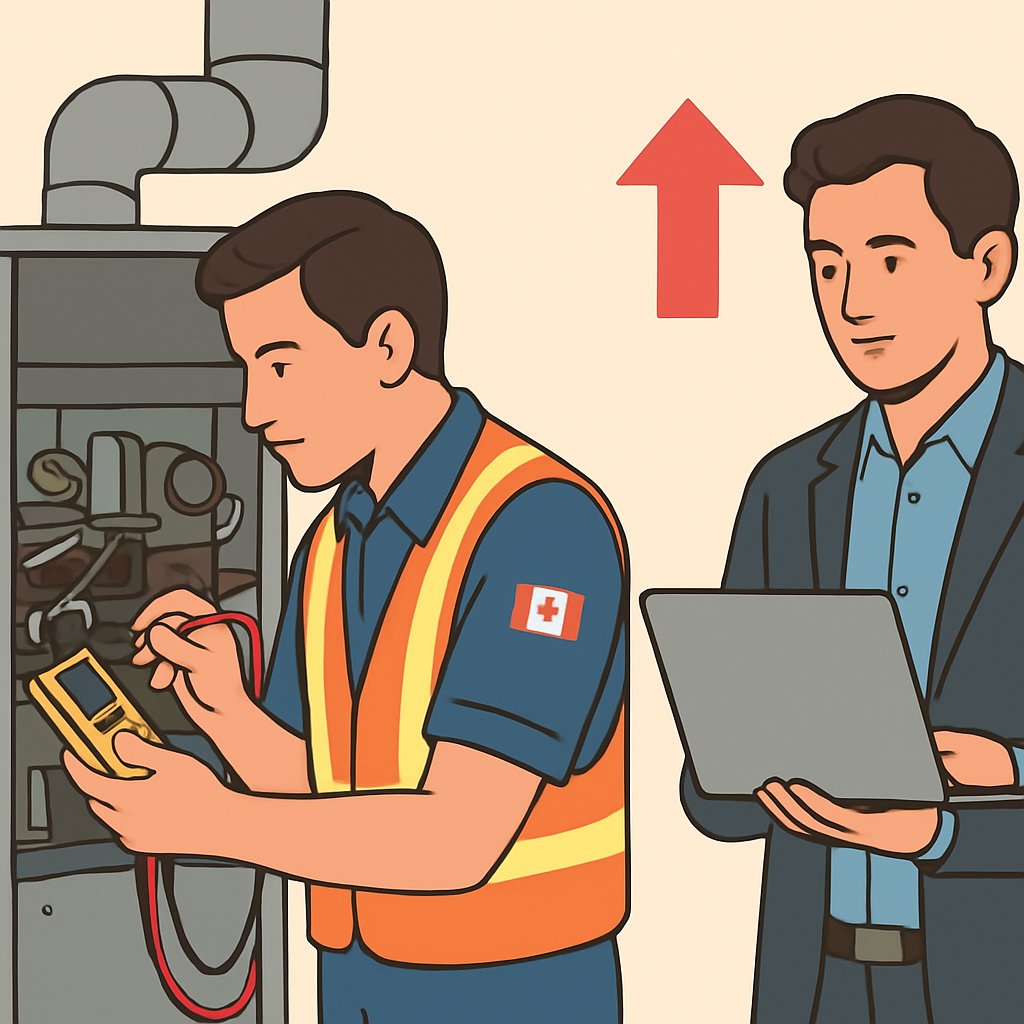
Physical Fitness and Stamina in HVAC Work
Physical fitness plays a crucial role in the daily tasks of HVAC technicians.
Stamina allows HVAC technicians to work efficiently during extended shifts.
Proper physical conditioning reduces the risk of common HVAC injuries.
Importance of Physical Fitness
They often work in tight spaces, requiring flexibility and strength.
Moreover, lifting heavy equipment demands good muscular endurance.
Without proper fitness, sustaining long work hours becomes challenging.
Therefore, staying physically active supports better job performance.
Building and Maintaining Stamina
To build stamina, many rely on regular cardiovascular exercises such as running or cycling.
In addition, incorporating strength training helps improve overall endurance.
Balanced nutrition and adequate rest also enhance stamina significantly.
Consistent routines prevent fatigue during physically demanding tasks.
Preventing Workplace Injuries
For example, a strong core protects the back when lifting heavy parts.
Technicians practicing good fitness can handle awkward postures safely.
Regular stretching routines increase flexibility to prevent strains.
Hence, fitness acts as a vital component of workplace safety.
Daily Practices to Improve Physical Readiness
Starting the day with light warm-up exercises prepares muscles for work.
During breaks, brief stretches can relieve tension and maintain mobility.
Wearing supportive footwear reduces foot fatigue and enhances stability.
Using proper lifting techniques minimizes physical strain significantly.
Additionally, hydration throughout the day maintains energy levels consistently.
Role of Employers in Supporting Fitness
Companies should encourage wellness programs targeting HVAC staff.
Providing access to fitness resources improves overall workforce health.
Training on ergonomics helps technicians work smarter, not harder.
Creating a culture that values physical well-being boosts morale and retention.
Thus, employer investment in fitness benefits both workers and business outcomes.
See Related Content: The Role of HVAC Technicians in Energy Efficiency
Continuous Learning and Adaptability to New Technologies
The HVAC industry evolves rapidly with new technologies emerging regularly.
Thus, continuous learning becomes essential for long-term career growth.
Adapting quickly to new diagnostic tools improves troubleshooting speed and accuracy.
Importance of Staying Updated in HVAC Industry
Technicians must stay informed to remain competitive and effective.
Furthermore, understanding innovative tools enhances job performance significantly.
Companies like Evergreen Climate Solutions invest in ongoing training for their staff.
Ways to Keep Skills Current
Enrolling in certification programs helps technicians master new HVAC systems.
For instance, the National Comfort Institute offers advanced HVAC courses.
Attending trade shows allows exposure to latest products and trends.
Additionally, subscribing to industry journals keeps professionals updated.
For example, Heating & Air Conditioning Today magazine provides valuable insights.
Embracing Adaptability in Daily Work
Technicians like Olivia Martinez at Precision Air embrace digital multimeters and smart sensors.
This flexibility supports installing smart thermostats and energy-efficient systems.
Moreover, adaptability promotes confidence when working with unfamiliar equipment models.
Consequently, companies attain higher customer satisfaction and operational efficiency.
Building a Culture of Lifelong Learning
Employers should encourage mentorship and knowledge sharing among technicians.
For instance, CoolTech Services organizes weekly workshops led by senior engineers.
Such initiatives foster collaboration and skill enhancement.
Also, online platforms like HVAC Excellence provide accessible training options.
Therefore, cultivating a learning mindset ensures continuous professional development.
Teamwork and Collaboration in HVAC Projects
Teamwork shapes successful HVAC project delivery.
Projects require coordination among multiple trades and disciplines.
Clear collaboration reduces rework and project delays.
Importance of Effective Communication
Effective communication is crucial for success in HVAC projects.
Technicians must clearly convey technical information to team members.
Moreover, clear communication helps avoid misunderstandings and errors.
For example, coordinating with electricians ensures proper system integration.
Therefore, HVAC professionals should actively listen and ask relevant questions.
Working with Diverse Teams
HVAC projects often involve professionals from various disciplines.
Team members may include engineers, installers, and safety inspectors.
Consequently, technicians need to respect different perspectives and expertise.
They should collaborate to solve complex challenges efficiently.
This collaboration fosters innovation and improves project outcomes.
Building Strong Professional Relationships
Trust among team members enhances cooperation on HVAC projects.
Technicians like Miguel Rivera establish good rapport through reliability.
Consistency in meeting deadlines strengthens team confidence.
Additionally, sharing knowledge openly promotes mutual growth.
Strong relationships contribute to a positive work environment.
Practical Strategies for Collaboration
Using project management software improves coordination among team members.
Regular team meetings keep everyone updated on project progress.
Setting clear roles and responsibilities minimizes confusion.
Encouraging feedback helps identify and resolve issues quickly.
Celebrating team achievements boosts morale and motivation.
Additional Resources
Google search results for Essential Skills for Success as an HVAC Technician Trades and Labor
Bing search results for Essential Skills for Success as an HVAC Technician Trades and Labor


