




Understanding Child Development Theories
Theories guide how educators interpret children’s behavior.
They inform intentional planning and responsive interactions.
Therefore, educators can make deliberate teaching choices.
Core Concepts to Understand
- Development unfolds across multiple interconnected domains.
- Children learn through active exploration and social interaction.
- Individual differences affect the pace and style of learning.
- Context and relationships shape children’s learning experiences.
- Educators create supportive environments that promote growth.
Applying Theories in Practice
Use observations to tailor activities to each child’s needs.
Design environments that encourage curiosity and safe exploration.
Balance adult guidance with opportunities for child autonomy.
Integrate learning goals into everyday routines and play.
Observing and Assessing Development
Observe children regularly and record concrete behaviors.
Then, analyze patterns to identify strengths and needs.
Use observations to inform planning and individualized support.
Collaborate with colleagues to broaden assessment perspectives.
Communicating with Families
Share observations with families using clear, respectful language.
Invite family input about children’s interests and routines.
Work together to set goals and support strategies.
Respect family values and cultural perspectives in planning.
Professional Growth and Reflection
Reflect on how theory influences your daily decisions.
Seek feedback and diverse viewpoints to deepen understanding.
Adapt practices based on reflection and observed outcomes.
Commit to ongoing learning to remain effective and ethical.
Effective Communication Skills with Children and Parents
Strong communication supports learning and relationships.
Furthermore, it builds trust with children and parents.
Therefore, educators should refine verbal and nonverbal skills.
Communication with Children
Use clear and simple language when speaking with children.
Additionally, adjust your tone to match each child’s needs.
Moreover, give children time to process information and respond.
Unlock Your Career Potential
Visualize a clear path to success with our tailored Career Consulting service. Personalized insights in just 1-3 days.
Get StartedUse gestures and facial expressions to support meaning.
Age-Appropriate Language
Choose words that children easily understand.
Furthermore, avoid jargon and abstract phrases.
This approach helps children understand spoken messages.
Nonverbal Communication
Maintain open and friendly body language.
Additionally, smile and make eye contact when appropriate.
These actions can support a welcoming interaction.
Encouraging Expression
Ask open-ended prompts to invite children’s ideas.
Moreover, praise effort and specific behaviors.
Encourage children to communicate through supportive interactions.
- Model calm responses during classroom moments.
- Offer choices to foster autonomy and cooperation.
- Use playful language to engage attention.
Communication with Parents
Cultivate respectful and transparent interactions with parents.
Additionally, schedule regular times for updates and feedback.
Furthermore, listen actively to parental concerns and goals.
Building Partnerships
Share observations and classroom highlights succinctly.
Moreover, invite parent perspectives and cultural context.
Use these exchanges to support cooperation with families.
Written Communication
Write clear and concise messages for families.
Additionally, use positive framing when discussing challenges.
Choose communication methods that match each family’s needs.
- Send daily notes summarizing routines and achievements.
- Write brief newsletters outlining upcoming activities.
- Schedule private conferences for individual concerns.
Active Listening and Responsive Feedback
Listen without interruption to understand perspectives fully.
Additionally, reflect what you hear to confirm understanding.
Then, offer constructive and solution-oriented feedback.
Handling Difficult Conversations
Prepare key points before sensitive conversations.
Furthermore, remain calm and focus on shared goals.
Also, agree on next steps and follow up.
Practical Techniques and Classroom Signals
Establish consistent signals for transitions and attention.
Additionally, teach children the meaning of each signal.
Moreover, reinforce signals through routine practice.
- Use visual prompts to support routines.
- Implement brief check-ins during the day.
- Create a quiet space for one-on-one conversations.
Building Trust and Collaboration
Be reliable and follow through on commitments.
Additionally, respect confidentiality and family preferences.
Moreover, celebrate small successes together with families.
Creating Engaging Learning Environments
Thoughtful environments support exploration, interaction, creativity, and focused play.
Clear organization helps children choose materials and move through activities independently.
Safe, inclusive spaces respond to varied interests, abilities, and learning needs.
Designing Child-Centered Spaces
Arrange furniture to support exploration and interaction.
Use natural light and clear sightlines when possible.
Also, provide cozy nooks for focused play and rest.
Furthermore, rotate displays to showcase children’s work and interests.
Selecting Materials and Resources
Offer open-ended materials that invite creativity and problem solving.
Also, include sensory materials to support varied exploration.
Moreover, provide durable and safe materials for frequent use.
- Loose parts and building materials encourage imaginative construction.
- Art supplies support creative expression.
- Books and visual materials foster curiosity and literacy interest.
- Puzzles and manipulatives develop fine motor skills and problem-solving abilities.
- Dramatic play props promote social role exploration.
Organizing Routines and Learning Zones
Define clear zones for different activities and play types.
Also, schedule flexible routines to balance child choice and group times.
Furthermore, label spaces to promote independence and predictability.
Fostering Inclusivity and Accessibility
Choose materials that reflect diverse experiences and backgrounds.
Also, adapt spaces to accommodate varied abilities and needs.
Moreover, use flexible seating and alternative communication supports.
Safety and Supervision Practices
Ensure clear sightlines to observe children easily.
Also, secure materials to prevent hazards during play.
Furthermore, maintain tidy spaces to reduce tripping risks.
Reflective Assessment and Adaptation
Regularly observe how children use spaces and materials.
Then, adjust layouts based on observations and children’s interests.
Also, seek feedback from colleagues to improve learning environments.
Find Out More: Early Childhood Educator Roles and Responsibilities Explained
Purpose of Observation
Observation reveals children’s abilities, interests, and needs in everyday settings.
Additionally, assessment helps educators make informed instructional choices.
Moreover, ongoing observation supports progress tracking over time.
Types of Observation Methods
Educators use descriptive notes to capture spontaneous child behavior.
Next, time-based sampling records behaviors at specific intervals.
Also, incident-focused records document notable events or interactions.
Furthermore, structured checklists identify whether children demonstrate specific skills.
Systematic Documentation Practices
Record observations promptly to maintain accuracy and detail.
Also, include the date, time, and setting for each entry.
Next, use objective language and avoid interpretive labels.
Additionally, organize records consistently for easy retrieval.
- Date and time of observation.
- Factual descriptions of actions and words.
- Contextual information about activities or materials.
Ethical Interpretation of Observations
Consider multiple observations before drawing conclusions.
However, avoid labeling children based on single incidents.
Also, discuss findings with colleagues to reduce potential bias.
Furthermore, protect family privacy and maintain confidentiality in records.
Using Assessment to Inform Planning
Use observation data to prioritize learning objectives for groups and individuals.
Additionally, adjust activities according to observed strengths and needs.
Moreover, set measurable and realistic goals using documented evidence.
Finally, review assessments regularly to guide ongoing teaching decisions.
Delve into the Subject: Trends Shaping the Future of Curriculum Development
Emotional Intelligence and Empathy in Early Childhood Education
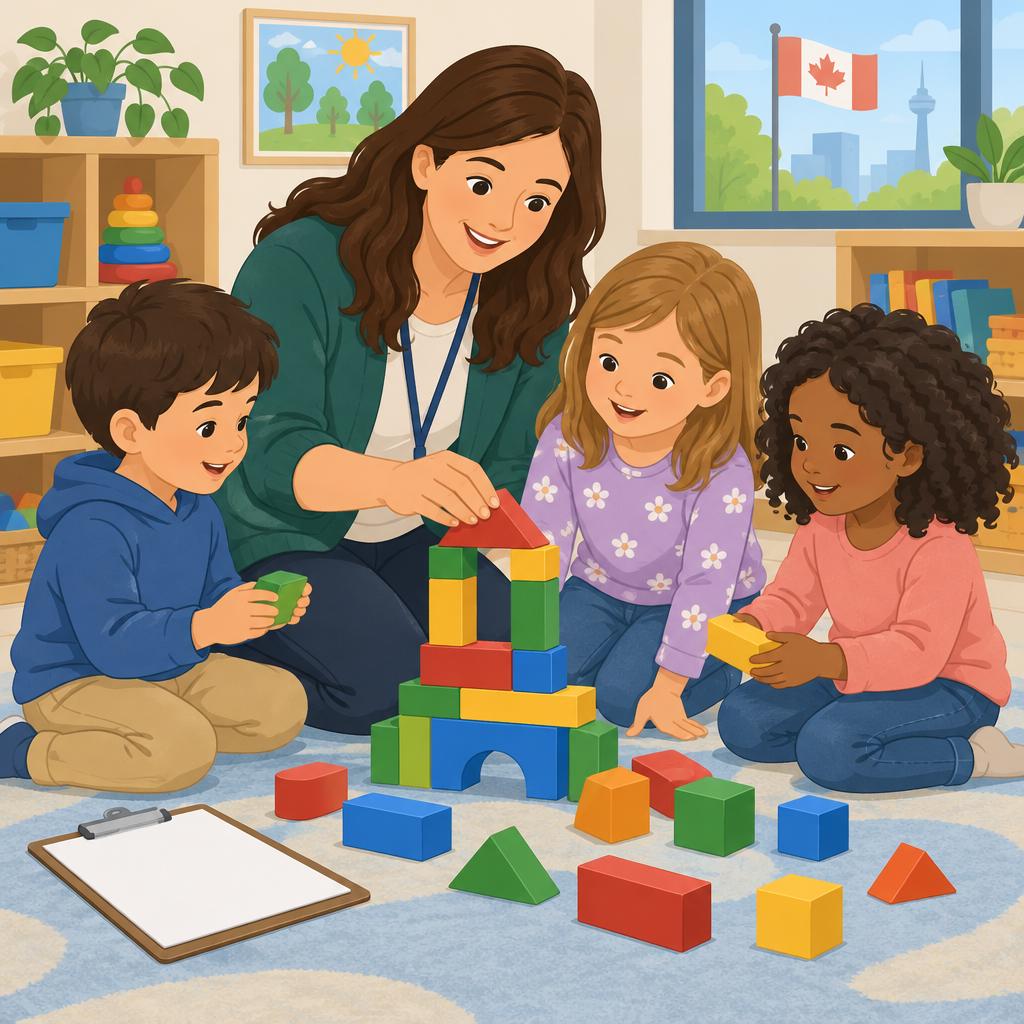
Emotional intelligence involves recognizing and managing emotions in oneself and others.
Empathy means understanding and responding to children’s feelings with care.
Furthermore, educators use both skills to support social and emotional learning.
Core Skills and Behaviors
Core skills appear through observable behaviors during daily interactions.
- Active listening shows children they feel heard and understood.
- Emotional regulation helps educators stay calm during challenging moments.
- Perspective-taking allows teachers to consider each child’s viewpoint.
- Nonjudgmental acceptance creates a safe atmosphere for emotional expression.
- Supportive responses guide children to name and manage feelings.
- Observing subtle cues helps educators provide timely and appropriate support.
Practical Strategies for Educators
Educators can model calm and respectful emotional expression.
Additionally, they can use validating language to acknowledge children’s feelings.
Moreover, routines can include moments for emotional check-ins with children.
Furthermore, teachers can create activities that practice naming emotions.
Also, educators should reflect on their responses to improve interactions.
Benefits for Children and Classroom Climate
Children develop stronger social skills when adults show emotional awareness.
Consequently, classrooms become more supportive and emotionally safe.
Additionally, empathy supports children’s ability to form positive peer relationships.
Supporting Professional Growth
Educators should pursue regular reflection on their emotional practice.
Moreover, peer discussion can foster new perspectives and strategies.
Therefore, ongoing attention to emotional skills strengthens teaching effectiveness over time.
Gain More Insights: Why Youth Program Facilitators Love Their Careers
Collaboration and Teamwork
Collaboration enhances consistency across classrooms.
Additionally, it supports shared problem solving.
Furthermore, teamwork builds professional trust among colleagues.
Benefits of Collaborative Practice
Collaborative practice aligns classroom approaches across the team.
It also helps colleagues solve shared challenges effectively.
Moreover, teamwork strengthens professional trust among colleagues.
Practical Strategies for Working Together
Use structured approaches to make collaboration practical.
Regular planning creates time for colleagues to coordinate their work.
Clear responsibilities help team members contribute effectively.
- Set regular planning times.
- Clarify roles and responsibilities.
- Share resources and materials openly.
- Coordinate routines and daily transitions.
- Offer timely, constructive peer feedback.
Shared Planning and Documentation
Develop shared lesson plans to align team goals.
Moreover, keep documentation accessible to all staff.
Also, record decisions to support continuity.
Managing Differences and Conflict
Address disagreements promptly and respectfully.
However, listen carefully to understand differing perspectives.
Agree on simple steps for resolving conflicts within the team.
- Acknowledge the issue openly.
- Identify shared goals to guide solutions.
- Plan follow up actions and timelines.
Sustaining a Collaborative Culture
Foster ongoing reflection and mutual learning.
Therefore, schedule regular team reflections and observations.
Also, recognize contributions and celebrate small successes.
Finally, revisit roles to maintain clarity and balance.
Explore Further: Top Resources for Aspiring Curriculum Developers
Principles of Positive Behavior Management
Apply consistent routines to support predictable behavior.
Also set clear, simple expectations for children.
Furthermore reinforce positive actions with specific praise.
Moreover use redirection to guide children toward appropriate choices.
Additionally document behaviors to inform responsive planning.
Preventive Classroom Strategies
Design environments that reduce triggers and support engagement.
Also arrange materials for independence and safe play.
- Establish visual schedules to clarify daily flow.
- Create quiet areas for children needing calm time.
- Rotate activities to maintain interest and reduce frustration.
- Model expected behaviors consistently throughout the day.
Responsive Techniques for Challenging Behavior
Respond calmly to prevent escalation of conflicts.
Also speak using short and clear directions.
Use choices to restore a child’s sense of control.
Then provide brief timeouts from activities when necessary.
Moreover repair moments by teaching alternative skills after incidents.
Conflict Resolution Skills with Children
Teach children simple problem-solving steps.
First help them name feelings in plain language.
Next guide them to state needs respectfully.
Then encourage them to propose fair solutions.
Finally facilitate agreements and practice follow-through together.
Partnering with Families
Share observations in a respectful and factual manner.
Also invite family input on strategies that work at home.
Moreover collaborate to create consistent expectations across settings.
Additionally review and adjust plans based on family feedback.
Reflective Practice and Adjustment
Reflect on how strategies affect each child’s behavior.
Also seek feedback from colleagues when patterns persist.
Then adjust routines and supports based on reflections.
Finally document changes and monitor progress over time.
Adaptability and Flexibility in Teaching Approaches
Flexible teaching helps educators respond as classroom conditions change.
It also allows children to access learning through approaches that suit their participation.
Consequently, adaptable practice supports continuity while teachers address varied needs, interests, and readiness levels.
Responding to Diverse Learner Needs
Furthermore, teachers modify activities to meet children’s changing needs and interests.
Consequently, they create multiple ways for children to interact with concepts.
Moreover, they vary materials and pacing to encourage broad participation.
Adjusting Plans and Curriculum
Therefore, teachers redesign plans when activities do not meet children’s needs.
Additionally, they simplify or extend tasks to match readiness levels.
Moreover, they alternate formats to provide different learning opportunities.
Managing Unexpected Situations
When unexpected moments arise, teachers respond calmly to maintain continuity.
Consequently, they adjust activities quickly to preserve engagement and safety.
Moreover, they use brief redirections to reestablish learning flow.
Promoting Flexible Routines
Additionally, teachers build routines that allow movement and short transitions.
Moreover, they embed choice within routines to support autonomy.
Therefore, schedules include buffer time for spontaneous learning opportunities.
Professional Growth for Flexibility
Regularly, teachers reflect on practice to identify flexible approach opportunities.
Additionally, they seek feedback to refine adaptive strategies over time.
Consequently, continuous learning sustains adaptability in changing classroom contexts.


