




Overview of Early Childhood Education and Its Importance
Early childhood education builds the foundation for lifelong learning and development.
It supports children’s cognitive, social, emotional, and physical growth.
Furthermore, strong early education benefits children, families, communities, and society.
Defining Early Childhood Education
Early childhood education serves children from birth through eight years old.
These programs establish important foundations for future learning and development.
Moreover, they address cognitive, social, emotional, and physical growth.
Preschools and home-based care provide two settings for early childhood education.
Benefits to Children
Quality early education strengthens children’s language and communication skills.
It also improves social interaction and emotional regulation abilities.
Additionally, children begin developing critical thinking and problem-solving skills.
Early learning experiences can support stronger academic achievement later in life.
Impact on Families and Communities
Early education programs support families through guidance and useful resources.
They also encourage parental involvement in children’s learning and development.
As a result, these programs can strengthen family-child relationships.
Communities gain a better-prepared and more confident future workforce.
Furthermore, early education contributes to lower crime rates and stronger social cohesion.
Economic and Societal Importance
Investment in early childhood education can produce substantial returns for society.
It can reduce later needs for remedial teaching and social services.
For example, BrightMinds Learning Center prioritizes early education to foster talent.
Consequently, strong early education systems can support sustainable economic growth.
Key Roles of an Early Childhood Educator
Early childhood educators guide daily learning and care.
Their roles combine safety, teaching, observation, and family communication.
Together, these responsibilities support each child’s individual learning experiences.
Creating a Safe and Nurturing Environment
Early childhood educators prioritize children’s safety at all times.
They arrange classrooms to encourage exploration while minimizing hazards.
Unlock Your Career Potential
Visualize a clear path to success with our tailored Career Consulting service. Personalized insights in just 1-3 days.
Get StartedAdditionally, they foster warm and supportive relationships with each child.
This nurturing space helps children feel secure and valued.
Planning and Implementing Developmentally Appropriate Curriculum
Educators design activities that promote physical, emotional, and cognitive growth.
They align lessons with children’s ages and individual needs.
Moreover, they incorporate play-based learning to engage young minds creatively.
Through discovery, they encourage curiosity and problem-solving skills.
Observing and Assessing Child Development
Careful observation helps educators track each child’s progress continually.
They document milestones and behaviors to tailor future learning experiences.
Furthermore, assessments guide early identification of developmental delays or strengths.
This process supports personalized strategies that enhance growth and learning.
Supporting Social and Emotional Development
Educators teach children to express feelings appropriately and respectfully.
They model positive social interactions and conflict resolution skills.
Also, they encourage cooperation, empathy, and self-regulation within group settings.
Such guidance lays the foundation for healthy relationships throughout life.
Engaging Families as Partners in Learning
Educators maintain open, respectful communication with families daily.
They share updates about children’s activities and developmental progress.
Additionally, they invite input and involve family members in educational decisions.
These strong partnerships benefit children’s overall well-being and success.
Continual Professional Development and Collaboration
Early childhood educators pursue ongoing training to enhance their skills.
They stay informed about new research and best teaching practices.
In addition, they collaborate with colleagues and specialists to support diverse learners.
This commitment ensures high-quality education and care for all children.
Understanding Developmental Milestones in Children
Developmental milestones describe behaviors and physical skills that children show as they grow.
They reflect typical progress across motor, social, emotional, and cognitive areas.
Early childhood educators use milestones to observe development and plan appropriate support.
Recognizing milestones helps educators respond effectively to each child’s changing needs.
Moreover, milestones can guide interventions when educators notice delays or developmental challenges.
Key Domains of Child Development
Child development includes physical, cognitive, social, and emotional changes.
Each domain describes important abilities that develop through daily experiences and interactions.
Educators support these domains by offering meaningful activities, guidance, and encouragement.
Physical Development
Physical development includes growth in gross motor and fine motor skills.
Children gradually learn to crawl, walk, run, and climb.
They also improve coordination by grasping objects and using their hands purposefully.
Cognitive Development
Cognitive development involves learning, thinking, problem-solving, and memory.
Children begin understanding concepts, language, and cause-and-effect relationships.
Educators encourage cognitive growth through exploration, questions, and interactive play.
Social and Emotional Development
Social development involves interacting with others and forming relationships.
Emotional development helps children understand and express their feelings appropriately.
Educators nurture empathy, cooperation, and self-regulation within safe learning environments.
Educator Observation and Support for Developmental Milestones
Educators regularly observe children’s behaviors to identify achieved milestones.
They document progress and adjust learning experiences according to individual needs.
Educators also communicate developmental updates with families.
Furthermore, collaboration with specialists can provide timely support when necessary.
Educators adapt activities to challenge children and encourage continued developmental growth.
Common Milestones in Early Childhood
Several milestones can help educators understand children’s developing abilities.
These observations support thoughtful planning for learning activities and guidance.
Additionally, recognizing progress helps educators support each child’s potential.
- Walking steadily and climbing confidently
- Speaking simple sentences and following instructions
- Playing cooperatively with peers and sharing toys
- Showing curiosity and solving simple problems
- Expressing a wide range of emotions appropriately
Delve into the Subject: Trends Shaping the Future of Curriculum Development
Creating a Safe and Nurturing Learning Environment
A safe and nurturing environment supports children’s security, participation, exploration, and developing independence.
Educators combine physical safeguards, emotional support, accessible materials, inclusion, and predictable routines.
Together, these practices help children engage confidently with daily learning experiences.
Establishing Physical Safety
Early childhood educators ensure the classroom remains free from hazards.
They regularly inspect play areas and equipment for potential risks.
Moreover, educators maintain clear pathways to prevent trips and falls.
Educators like Maria Thompson at Bright Futures Academy conduct daily safety checks.
Furthermore, they implement safety protocols during activities and transitions.
Promoting Emotional Security
Teachers create warm and trusting relationships with each child.
They listen attentively and respond empathetically to children’s needs.
For example, Samuel Li at Little Sprouts Learning Center encourages open communication.
Consequently, children feel valued and confident expressing themselves.
Additionally, educators use positive reinforcement to boost self-esteem.
Designing a Stimulating Classroom Environment
Educators arrange materials to make them accessible and inviting for young learners.
They include diverse resources to support various learning styles and interests.
At Sunshine Early Learning, teacher Aisha Patel incorporates sensory play stations.
Moreover, careful organization helps children explore safely and independently.
Educators also rotate materials regularly to maintain engagement and curiosity.
Fostering Inclusive Practices
Teachers embrace all children’s unique backgrounds and abilities.
They adapt activities to meet individual developmental needs effectively.
For instance, Lucas Ramirez at Growing Minds Preschool includes bilingual resources.
Additionally, staff collaborate with families and specialists to support every child.
This approach creates a sense of belonging and respect within the classroom.
Implementing Consistent Routines and Expectations
Educators guide children with clear and predictable daily routines.
They explain rules positively and consistently model respectful behavior.
At Little Explorers Early Education, teacher Emily Novak uses visual schedules.
Consequently, children understand what to expect and feel secure.
Structured routines also promote self-regulation and independence during learning.
Explore Further: Why Youth Program Facilitators Love Their Careers
Understanding Developmental Stages
Early childhood educators must recognize different developmental stages.
This understanding guides the selection of suitable learning activities.
For example, toddlers need more sensory play experiences.
Preschoolers benefit from activities that improve problem-solving skills.
Moreover, age-appropriate tasks foster effective learning and engagement.
Designing Activities to Match Abilities
Educators like Sophia Martinez tailor activities to children’s abilities.
They create tasks that encourage exploration and discovery.
Furthermore, these activities should challenge children while remaining achievable.
This balance supports confidence and skill development.
Teachers also adapt materials to meet diverse learner needs.
Incorporating Play-Based Learning
Play-based learning forms the core of early education.
It promotes creativity, social skills, and language development.
For instance, interactive storytelling engages children’s imaginations.
Outdoor play encourages physical growth and coordination.
Therefore, teachers prioritize playful experiences in lesson plans.
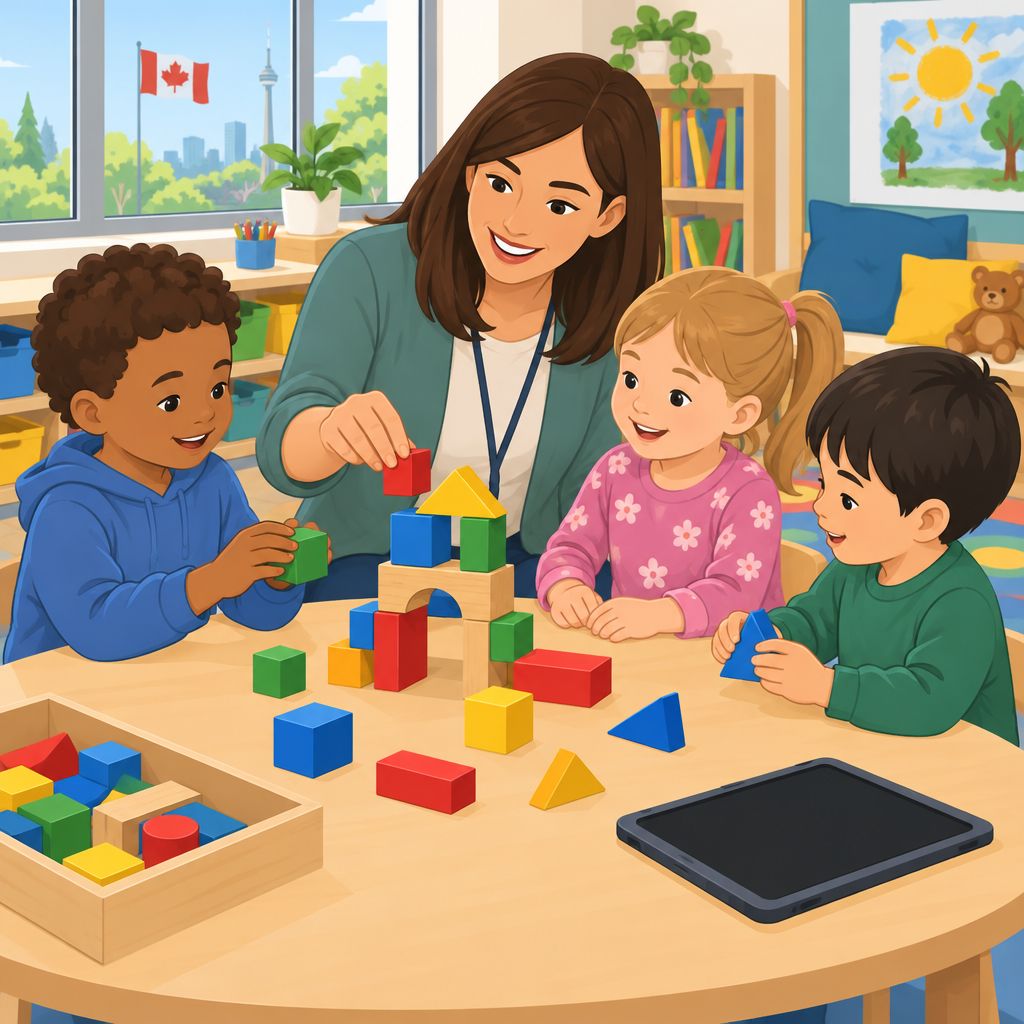
Using Multisensory Approaches
Multisensory activities engage children’s senses simultaneously.
Ms. Elena Jacobs often includes touch, sound, and visual elements.
This method strengthens memory and understanding.
It also supports learners with varying preferences and needs.
Consequently, educators include arts, music, and hands-on experiments.
Ensuring Safety and Accessibility
Safety remains paramount when educators implement learning activities.
Educators verify that materials are non-toxic and age-appropriate.
Additionally, they arrange environments to prevent accidents.
Inclusivity ensures all children can participate comfortably.
Teachers like Mark Liu ensure activities accommodate disabilities and sensitivities.
Engaging Families in the Learning Process
Communication with families enhances the impact of activities.
Educators share progress and suggest home-based extensions.
Parental involvement reinforces learning consistency and motivation.
For example, Ms. Aisha Kareem provides simple activity guides through newsletters.
Collaboration between educators and families strengthens child development.
Find Out More: Top Resources for Aspiring Curriculum Developers
Building Relationships with Families and Communities
Educators build strong relationships with families and communities.
These relationships support children’s learning, development, and sense of belonging.
Families and communities contribute valuable knowledge, resources, and support.
Establishing Trust and Open Communication
Early childhood educators foster trust by communicating clearly with families.
They listen actively to parents’ concerns and ideas.
Moreover, educators provide regular updates on children’s progress.
Families can share their cultural backgrounds and values with educators.
Consequently, this open dialogue creates a supportive learning environment.
Collaborating with Families for Child Development
Educators partner with families to support children’s growth and learning.
They design activities that reflect children’s home experiences and interests.
Additionally, educators involve families in setting learning goals.
This teamwork enhances continuity between school and home environments.
Furthermore, it empowers parents to participate actively in their child’s education.
Connecting with Community Resources and Support Networks
Educators identify local resources to assist families and children.
They collaborate with healthcare providers, social services, and cultural organizations.
For example, educators may connect families with literacy programs or nutrition assistance.
Such partnerships improve access to essential services and enrich children’s experiences.
Ultimately, community involvement strengthens each child’s support system.
Encouraging Family Engagement and Participation
Educators invite families to contribute to classroom activities and events.
They organize workshops that offer parenting tips and child development insights.
This involvement promotes a sense of belonging and shared responsibility.
Families gain confidence by actively participating in their child’s education.
As a result, children receive consistent encouragement at school and home.
Delve into the Subject: Qualifications Required for Curriculum Developer Roles
Importance of Observation in Early Childhood Education
Effective assessment begins with careful observation of each child.
Teachers like Maria Lopez closely watch children during various activities.
Observations reveal children’s skills, interests, and developmental stages.
Furthermore, ongoing observation helps identify individual learning needs.
Methods of Assessing Children’s Progress
Educators use multiple methods to assess children’s development.
Portfolios, checklists, and anecdotal records provide valuable insights.
For example, teachers at Sunnyvale Preschool compile artwork and writing samples.
Moreover, dynamic assessment helps educators understand children’s problem-solving skills.
Using varied methods ensures a holistic understanding of each child.
Documenting Progress Accurately and Consistently
Accurate documentation is critical for tracking children’s growth over time.
Ms. Taylor consistently records milestones and challenges in daily logs.
This documentation aids communication with parents and specialists.
Additionally, digital tools like EarlySteps software streamline record-keeping.
Consistent records also support program evaluation and curriculum planning.
Using Assessment Data to Support Individual Learning
Teachers analyze assessment data to tailor learning experiences.
For instance, Liam’s educator designs activities that strengthen his fine motor skills.
This approach promotes each child’s strengths and addresses areas for improvement.
Assessment outcomes guide group activities and one-on-one support.
Furthermore, assessment data empowers educators to foster a nurturing learning environment.
Promoting Social and Emotional Development in Young Children
Social and emotional development forms the foundation for a child’s overall growth.
It enables children to build relationships and manage emotions effectively.
Moreover, this development fosters empathy, cooperation, and self-awareness.
Early childhood educators play a vital role in nurturing these skills.
Understanding Social and Emotional Development
Creating a Supportive Environment
Educators design safe and welcoming spaces where children feel valued.
They encourage positive interactions among peers through guided play.
Furthermore, clear routines help children feel secure and understand expectations.
Respectful communication by educators models emotional regulation and social skills.
Encouraging Emotional Expression and Regulation
Teachers help children recognize and name their feelings confidently.
They introduce coping strategies for managing strong emotions constructively.
Additionally, adults provide comfort and reassurance during moments of distress.
This guidance strengthens children’s resilience and self-control abilities.
Teaching Conflict Resolution Skills
Educators facilitate peaceful problem-solving through discussion and role-play.
They guide children in expressing needs clearly and listening attentively.
Positive reinforcement encourages respectful behavior and cooperation.
As a result, children learn to resolve disagreements independently and peacefully.
Collaborating with Families
Teachers maintain open communication with families about children’s social progress.
Sharing strategies supports consistent social and emotional development at home.
Working together, educators and parents create personalized support plans when needed.
This partnership enhances children’s security and confidence in various settings.


