




Understanding the Importance of Diversity in Early Childhood Education
Diversity strengthens early childhood education in meaningful ways.
It shapes learning, relationships, and children’s understanding of the world.
Early experiences with difference help children build respect and openness.
The Role of Diversity in Child Development
Diversity enriches children’s learning experiences in meaningful ways.
For example, varied perspectives encourage children to develop creativity.
Moreover, diverse peer interactions strengthen children’s social skills.
Children also develop empathy as they learn about different cultures and backgrounds.
As a result, early exposure to diversity builds open-mindedness for later life.
Reflecting Canada’s Multicultural Society
Canada’s diverse population makes inclusion essential in early education.
Therefore, early childhood settings should thoughtfully reflect this multicultural reality.
Children benefit when classrooms represent their cultures and communities.
This representation supports positive identity formation and strengthens self-esteem.
Furthermore, it respects families’ cultural values and expectations.
Promoting Equity and Inclusion
Diversity plays a critical role in promoting equity among young learners.
It helps educators reduce bias and challenge stereotypes from an early age.
Educators can create inclusive environments where every child feels valued.
Such environments encourage equal participation and opportunities for success.
Consequently, diversity supports fair and respectful education.
The Educator’s Responsibility
Early childhood educators actively shape children’s attitudes toward diversity.
They model acceptance and respect through their words and actions.
Professional development can strengthen educators’ cultural competence and awareness.
Additionally, thoughtful curriculum planning can integrate diverse cultures and traditions.
Educators therefore empower children to appreciate and celebrate differences.
Identifying the Various Dimensions of Diversity
Canadian early childhood settings include children with varied cultural, linguistic, physical, developmental, and gender experiences.
Educators can recognize these dimensions by observing children’s identities, communication styles, interests, and participation.
Unlock Your Career Potential
Visualize a clear path to success with our tailored Career Consulting service. Personalized insights in just 1-3 days.
Get StartedFurthermore, inclusive practices help each child participate confidently while respecting individual and family experiences.
Culture
Children come from diverse cultural backgrounds in Canadian early childhood settings.
Therefore, educators must recognize and respect different cultural traditions.
Cultural awareness fosters inclusion and helps children feel valued.
Moreover, it enriches the learning environment with varied perspectives.
Educators like Sarah Thompson incorporate multicultural materials to reflect students’ heritages.
Language
Many children speak multiple languages or learn English as a second language.
Hence, supporting language diversity improves communication and learning.
Educators can use visual aids and gestures to support emerging language skills.
In addition, encouraging home language maintenance supports identity and family ties.
For example, Michael Nguyen invites families to share stories in their native languages.
Ability
Children display a wide range of abilities and developmental needs.
Early childhood educators must create accessible and adaptable learning spaces.
This approach ensures all children participate fully and confidently.
Vancouver’s Little Sprouts Daycare uses sensory tools to engage children with diverse needs.
Furthermore, collaboration with specialists helps provide tailored support plans.
Gender
Gender diversity includes respecting all gender identities and expressions.
Educators should challenge stereotypes that limit children’s choices and interests.
Creating a safe environment allows children to explore their gender freely.
For instance, Rainbow Early Learning Center celebrates gender diversity through inclusive storybooks.
Also, educators provide non-gendered play options to support every child.
Strategies for Creating an Inclusive Classroom Environment
Inclusive classroom strategies help educators welcome different identities, abilities, experiences, and family structures.
They also create opportunities for children to learn from one another respectfully.
Teachers can apply these strategies through instruction, materials, relationships, family engagement, and professional learning.
Fostering Cultural Awareness and Respect
Begin by learning about the diverse backgrounds of your students.
Appreciate cultural differences and celebrate unique traditions.
Encourage children to share their stories and experiences with peers.
This practice builds empathy and understanding among all children.
Additionally, integrate multicultural materials such as books and music.
These resources reflect diverse cultures and validate students’ identities.
Adapting Teaching Practices to Meet Diverse Needs
Use varied teaching methods to accommodate different learning styles.
For example, incorporate visual, auditory, and hands-on activities into lessons.
This approach supports children with diverse abilities and preferences.
Furthermore, provide flexible seating and quiet spaces for children who need them.
These adjustments create a comfortable and supportive learning environment.
Creating Inclusive Classroom Materials
Select toys and learning tools that represent various cultures and abilities.
Ensure imagery includes children of different races, abilities, and family structures.
This practice normalizes diversity and promotes acceptance naturally.
Moreover, update materials regularly to keep them current and relevant.
Encouraging Positive Social Interactions
Model respectful communication and inclusive behavior consistently.
Use cooperative games that require teamwork and sharing.
Meanwhile, encourage children to express their feelings and listen to others.
These strategies strengthen social skills and build friendships.
Engaging Families and Communities
Invite families to share cultural celebrations and customs in the classroom.
Maintain open communication with parents about their child’s experiences.
Additionally, partner with local cultural organizations for resources and support.
These connections enrich learning and reinforce inclusivity.
Ongoing Professional Development
Participate in workshops focusing on diversity and inclusion best practices.
Reflect regularly on your teaching to identify areas for growth.
Also, collaborate with colleagues to share insights and resources.
This commitment enhances your ability to support all learners effectively.
Learn More: Early Childhood Educator Salary Expectations in Canada
Culturally Relevant Pedagogy
Culturally relevant pedagogy connects learning to children’s cultural backgrounds.
It values diversity as a strength within the classroom environment.
Moreover, it fosters inclusion and respect among peers.
Educators like Maria Fernandez champion this approach across Canadian early childhood settings.
Incorporating Diverse Cultural Content
Educators can integrate stories, songs, and materials from various cultures every day.
This approach helps children see themselves reflected positively in the curriculum.
Additionally, it exposes children to multiple worldviews for broader understanding.
For instance, Indigenous, South Asian, and Francophone resources enrich classroom learning.
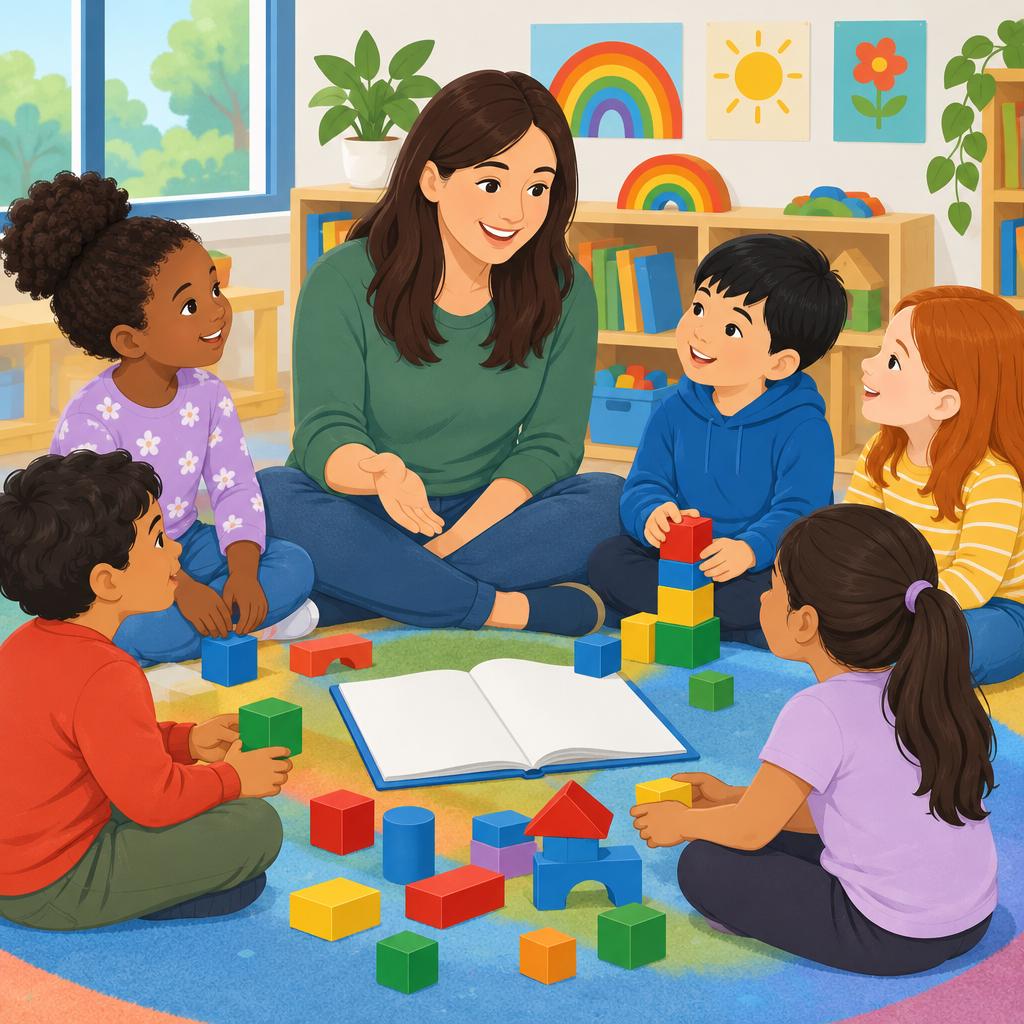
Building Relationships with Families
Educators can collaborate actively with families to learn about cultural practices and values.
Parents and caregivers provide essential insights for curriculum planning.
Furthermore, this partnership strengthens trust and enhances children’s sense of belonging.
Early childhood centers like Little Sprouts Learning Academy exemplify this family engagement.
Creating an Inclusive Learning Environment
Educators can arrange classrooms to reflect and celebrate cultural diversity through visual displays.
Posters, artwork, and labels in multiple languages support cultural pride and language development.
Moreover, inclusive activities invite all children to participate equally in play and learning.
Educators trained at Maple Grove Early Education collaborate to maintain these standards consistently.
Professional Development and Reflection
Teachers must engage in ongoing training about cultural responsiveness and anti-bias education.
Workshops led by community leaders foster deeper understanding of cultural complexities.
Also, reflective practice helps educators identify biases and improve their pedagogy.
Organizations like the Canadian Association for Early Childhood Education offer valuable resources.
See Related Content: Why Early Childhood Educators Are Vital in Education
Building Positive Relationships with Families from Diverse Backgrounds
Educators build respectful partnerships with families from diverse backgrounds.
These partnerships support children’s learning, well-being, and sense of belonging.
Open communication, cultural respect, and collaboration help educators respond to family needs.
Establishing Trust and Open Communication
Educators build trust by listening carefully to families’ concerns and values.
Respect for each family’s background encourages honest and meaningful dialogue.
Furthermore, educators use clear, simple language to prevent misunderstandings.
They provide translated materials or interpreter services when language differences create barriers.
Consistent communication helps families feel welcomed and valued within the educational setting.
As a result, families can share information that supports children’s experiences.
Recognizing and Valuing Cultural Differences
Educators learn about families’ traditions and customs to recognize cultural uniqueness.
This knowledge helps educators include diverse perspectives in classroom activities.
They acknowledge important celebrations and practices with care and sensitivity.
Moreover, educators challenge stereotypes by focusing on individual family strengths.
Families can share stories, foods, or songs that enrich children’s experiences.
Consequently, children develop appreciation and respect for diversity early in life.
Collaborating with Families to Support Child Development
Educators and families strengthen children’s development through cooperative partnerships.
Regular exchanges reveal children’s interests, needs, and progress.
Educators involve families when setting learning goals and planning activities.
Family insights help educators adapt approaches to each child’s background.
They also connect families with community resources that address diverse cultural needs.
Through collaboration, families and educators share responsibility for children’s well-being and success.
Practical Strategies for Inclusivity and Engagement
Educators create welcoming environments with diverse books and visual materials.
They organize multicultural events that invite families to participate and celebrate.
Additionally, flexible meeting times accommodate varying family schedules and preferences.
Educators regularly seek feedback to improve inclusivity and address concerns.
Parent committees can represent diverse voices in educational decision-making.
These strategies build strong connections and strengthen the educational community.
See Related Content: Early Childhood Educator Training Programs and Resources
Why Diversity Training Supports Professional Practice
Early childhood educators help create learning environments where every child feels respected and included.
Diversity training broadens educators’ understanding of cultural backgrounds and different perspectives.
It also helps them respond respectfully to each child’s identity.
As a result, educators strengthen communication with families and community members.
Professional Development Programs in Canada
Several Canadian organizations provide professional development focused on diversity and inclusion.
The Canadian Early Childhood Education Association offers workshops that develop cultural competency.
Meanwhile, the Ontario Coalition for Better Child Care hosts seminars about anti-bias education.
Local colleges, including Humber College, offer certificate programs focused on diversity in early childhood education.
Additionally, online platforms such as EduCare Canada provide flexible courses for early childhood professionals.
Topics Covered in Diversity Training Workshops
Training providers address anti-racism, Indigenous cultures, and gender inclusivity.
Interactive activities help participants practice inclusive teaching methods.
Some sessions examine unconscious bias and systemic inequality.
Furthermore, real-life scenarios help participants apply concepts to practical situations.
Choosing Appropriate Diversity Training
Begin by assessing your current knowledge and identifying areas for growth.
Next, review the provider’s reputation and available certification.
Then, confirm that the course content supports your workplace diversity goals.
Finally, prioritize programs that offer continued support or professional networks.
Benefits of Continuous Professional Learning
Ongoing training keeps educators informed about current best practices.
It also encourages empathy and cultural sensitivity.
Regular learning increases educators’ confidence when they address diverse classroom needs.
Therefore, continued development supports more equitable and supportive early learning experiences.
You Might Also Like: The Impact of Early Childhood Educators on Child Development
Addressing Bias and Stereotypes in Early Childhood Education
Early childhood educators can address bias through reflection, inclusive materials, and equitable teaching practices.
These practices help children recognize stereotypes and respect different identities, families, and experiences.
Furthermore, collaboration and ongoing learning strengthen educators’ ability to create fair learning environments.
Recognizing Personal Biases
Early childhood educators must first recognize their own biases.
Self-awareness allows educators to reflect on their attitudes and beliefs.
By acknowledging biases, educators can prevent unintentional influence on children.
Moreover, open reflection creates a foundation for inclusive teaching.
Creating an Inclusive Classroom Environment
Educators should design learning spaces that reflect diverse cultures and experiences.
They can display diverse books, toys, and images that celebrate various backgrounds.
This representation validates children’s identities and promotes acceptance.
Additionally, educators must use inclusive language consistently during activities.
Implementing an Anti-Bias Curriculum
An anti-bias curriculum challenges stereotypes and promotes equity.
It encourages children to respect differences and understand fairness.
For example, Martha Chen integrates stories that showcase diverse family structures.
Moreover, role-playing activities help children explore empathy and perspective-taking.
Engaging Families and Communities
Collaboration with families enhances cultural understanding in the classroom.
Educators can invite parents to share traditions, stories, and celebrations.
This partnership strengthens children’s sense of belonging and pride.
Also, community involvement exposes children to a wider range of experiences.
Continuing Professional Development
Educators must commit to lifelong learning about diversity and inclusion.
Workshops and seminars provide tools to address bias effectively.
For instance, Emily Roberts attends training on Indigenous perspectives annually.
Consequently, continuous education helps educators remain responsive to children’s needs.
The Role of Community Resources and Partnerships in Supporting Diversity
Community resources strengthen diversity efforts in early childhood education.
Partnerships connect educators, families, and organizations that support inclusive learning.
These connections help children experience respectful and varied perspectives.
Building Connections with Local Organizations
Early childhood educators strengthen diversity efforts by partnering with local community groups.
These organizations often provide valuable cultural programs and support services.
For example, Toronto’s Cultural Heritage Network offers workshops that promote inclusiveness.
Such connections help educators introduce diverse perspectives to children effectively.
Moreover, these partnerships foster belonging among families from various backgrounds.
Accessing Educational Materials and Training
Community resources provide educators with diverse and culturally relevant teaching materials.
Organizations like the Canadian Multicultural Education Centre supply books and activity kits.
Additionally, these organizations offer professional development sessions on cultural competency.
Educators gain skills to address diversity sensitively through these training sessions.
This ongoing learning enables informed and respectful classroom practices.
Engaging Families through Collaborative Programs
Strong partnerships encourage family involvement in early childhood education initiatives.
For instance, Vancouver’s Family Voices Project invites parents to share cultural traditions.
Such collaboration enhances mutual understanding between educators and families.
It also empowers parents to contribute directly to educational content and activities.
Consequently, children experience a richer and more authentic learning environment.
Leveraging Multisectoral Support for Inclusion
Community partnerships extend beyond education to include health and social services.
For instance, Calgary’s Refugee Support Network offers resources for newcomer families.
These services address language barriers and social integration challenges.
By linking families to appropriate supports, educators promote equitable participation.
Thus, children from diverse backgrounds receive comprehensive care that supports their growth.
Creating Networks for Ongoing Dialogue
Networks of educators and community leaders foster continuous dialogue about diversity.
Regular meetings at Montreal’s Early Learning Alliance facilitate resource sharing.
These forums help educators stay updated on best practices and emerging community needs.
They also encourage peer support and collaborative problem-solving.
Through sustained dialogue, diversity initiatives become more dynamic and responsive.


