




Overview of the Oceanographer Profession in Canada
Roles and Responsibilities of Oceanographers
Oceanographers study the physical, chemical, and biological properties of oceans.
They collect and analyze data to understand marine ecosystems and weather patterns.
Many work along Canada’s coastal regions, focusing on environmental monitoring.
For example, they track ocean currents, marine life, and climate change impacts.
Oceanographers collaborate with government agencies to inform coastal management policies.
In addition, they assist in resource exploration and marine conservation efforts.
Work Environments for Oceanographers in Canada
Many oceanographers work in research institutions and universities across Canada.
Others are employed by federal departments such as Fisheries and Oceans Canada.
They conduct fieldwork aboard research vessels in regions like British Columbia and Nova Scotia.
Some specialize in underwater robotics and remote sensing technologies.
Worksites vary from laboratories to offshore platforms and coastal monitoring stations.
Education and Training Requirements for Oceanographers
Most oceanographers hold degrees in oceanography, marine science, or related fields.
Graduate studies often focus on specialized areas like chemical or biological oceanography.
Canadian universities such as Dalhousie and the University of Victoria offer strong programs.
Hands-on experience through internships or field courses builds essential practical skills.
Continuous learning helps professionals stay updated with evolving marine technologies.
Career Opportunities and Employment Trends in Oceanography
The demand for oceanographers in coastal Canada is growing due to climate concerns.
Government research projects and environmental agencies provide steady employment options.
Private sectors, including marine consulting firms, seek oceanographic expertise.
Job roles range from research scientists to environmental analysts and policy advisors.
Canada’s extensive coastline creates crucial roles in sustainable ocean use.
Educational Requirements and Career Pathways for Oceanographers
Educational Foundations for Aspiring Oceanographers
Oceanographers require a strong background in science and mathematics.
Most start with a bachelor’s degree in marine science, biology, chemistry, or geology.
Universities like the University of British Columbia offer relevant coastal and marine programs.
Courses in physics, environmental science, and computer modeling also build essential skills.
Unlock Your Career Potential
Visualize a clear path to success with our tailored Career Consulting service. Personalized insights in just 1-3 days.
Get StartedFurthermore, hands-on experience through internships enhances practical knowledge.
Coastal research centers such as the Pacific Marine Environmental Lab provide great opportunities.
Advancing with Graduate Studies
Many oceanographers pursue master’s or doctoral degrees to specialize further.
Graduate studies deepen understanding of ocean currents, marine ecosystems, and climate interactions.
The University of Victoria offers advanced research projects focused on coastal environments.
Students gain access to cutting-edge laboratories and fieldwork along the Pacific coast.
Moreover, theses often focus on significant regional issues like fisheries management.
Specialized knowledge improves job prospects at government agencies and private firms.
Career Pathways in Coastal Canada
Career options include research, environmental consulting, and policy development.
Organizations like OceanWise and Coastal Ecology Solutions often hire oceanographers.
Other opportunities arise within federal bodies such as Fisheries and Oceans Canada.
Many professionals contribute to climate change studies and marine habitat restoration.
Consultancy roles focus on impact assessments and sustainable resource management.
Continuing education and certifications keep oceanographers current in emerging technologies.
Networking through professional groups like the Canadian Meteorological and Oceanographic Society helps advance careers.
Key Skills and Competencies for Successful Oceanographers
Scientific Expertise and Analytical Skills
Oceanographers require strong scientific knowledge in marine biology.
They must also understand chemistry and geology clearly.
Oceanographers analyze complex data collected during research expeditions.
In addition, they apply advanced statistical techniques for interpreting findings.
Strong problem-solving skills help tackle unexpected challenges at sea.
Proficiency in specialized software supports accurate data modeling and visualization.
Technical Competencies and Fieldwork Abilities
Oceanographers operate scientific instruments like CTD sensors and sonar equipment.
They maintain and calibrate laboratory and field devices for reliable results.
Experience in navigating research vessels enables precise field measurements.
Effective oceanographers adapt quickly to changing weather and ocean conditions.
Physical stamina allows oceanographers to work long hours in demanding environments.
Communication and Collaboration Skills
Clear communication helps oceanographers present findings to diverse audiences.
They write detailed scientific reports and publish articles in peer-reviewed journals.
Collaboration with multidisciplinary teams enhances research quality and innovation.
Oceanographers engage effectively with government agencies and universities.
They also educate local communities about marine conservation and environmental issues.
Attention to Detail and Safety Awareness
Meticulous data collection ensures accuracy and reproducibility of oceanographic studies.
Oceanographers follow strict safety protocols on vessels and in laboratories.
They routinely conduct risk assessments before embarking on field missions.
Training in emergency response prepares oceanographers to handle critical incidents.
Consistent vigilance reduces hazards and protects personnel and marine environments.
Explore Further: The Role of Oceanographers in Climate Change Research
The Role of Oceanographers in Coastal Environmental Conservation
Monitoring Marine Ecosystems
Oceanographers actively monitor the health of marine ecosystems along the coast.
They collect data on water quality, temperature, and salinity to detect changes.
Moreover, they study the population dynamics of key species like shellfish and fish.
Through continuous observation, they identify threats such as pollution or invasive species.
These efforts help inform local conservation initiatives and policy decisions.
Supporting Sustainable Fisheries
Oceanographers provide critical insights to promote sustainable fishing practices.
They assess fish stock levels and breeding patterns in coastal waters.
Consequently, their research guides catch limits and seasonal restrictions.
Collaboration with fisheries managers ensures the long-term viability of marine resources.
In addition, oceanographers educate fishermen on minimizing environmental impacts.
Studying Climate Change Effects on Coastal Areas
Experts analyze how rising ocean temperatures affect coastal ecosystems.
They investigate sea-level rise and its impact on shoreline habitats.
Furthermore, oceanographers track changes in ocean currents and storm patterns.
This research is vital for developing adaptation strategies for coastal communities.
It also supports efforts to protect vulnerable species from climate-related stressors.
Collaborating with Conservation Organizations
Oceanographers work closely with environmental NGOs and government agencies.
This teamwork facilitates data sharing and coordinated conservation projects.
For example, Dr. Lucas Merritt partners with the Pacific Coastal Conservation Trust.
Joint efforts include habitat restoration and the establishment of marine protected areas.
Such collaboration increases the effectiveness of conservation programs.
Raising Public Awareness and Education
Oceanographers actively engage communities through educational outreach.
They deliver talks, workshops, and publish accessible research summaries.
This outreach fosters community stewardship of coastal environments.
Organizations like OceanWatch British Columbia support these educational activities.
Ultimately, informed citizens contribute to stronger conservation outcomes.
Uncover the Details: Understanding the Tools and Technologies of Oceanography
Current Research Trends in Canadian Coastal Oceanography
Advancements in Climate Impact Studies
Researchers actively investigate the effects of climate change on coastal ecosystems.
They analyze temperature shifts and their impact on marine biodiversity.
Moreover, scientists monitor rising sea levels and coastal erosion extensively.
Dr. Emily Carver from the Pacific Oceanographic Institute leads several vital studies.
Her team uses advanced modeling to predict future coastal conditions accurately.
Consequently, this research supports better coastal management and policy decisions.
Innovations in Marine Biodiversity Monitoring
Oceanographers apply new technologies to track marine life diversity more efficiently.
Autonomous underwater vehicles gather real-time data on species distribution.
Additionally, DNA metabarcoding helps identify species from water samples precisely.
Professor Liam Chen at Coastal Research Center pioneers these innovative techniques.
These methods reveal insights into shifting species patterns caused by human activities.
Therefore, conservation efforts become more targeted and effective.
Exploration of Ocean-Atmosphere Interactions
Scientists examine how coastal waters interact with atmospheric conditions dynamically.
They measure exchanges of heat, gases, and moisture at the ocean surface.
Dr. Nadia Foster’s group at Northern Marine Labs studies these dynamics extensively.
Furthermore, their findings improve weather forecasting and climate mitigation strategies.
Integration of satellite data enhances the spatial coverage of these observations significantly.
Ultimately, this research aids in understanding coastal weather extremes and variability.
Collaborative Efforts and Community Engagement
Canadian oceanographers partner with Indigenous communities to integrate traditional knowledge.
These collaborations provide unique perspectives on long-term environmental changes.
For instance, the Salish Sea Research Alliance facilitates joint projects with First Nations groups.
Such partnerships promote sustainable resource use and respect cultural heritage.
Moreover, community-driven monitoring programs empower local stakeholders.
Consequently, science and tradition merge to build resilient coastal management plans.
Emerging Focus on Pollution and Plastic Debris
Coastal oceanographers intensify research on microplastics and pollutant pathways.
They track sources, accumulation zones, and ecological impacts of marine debris.
Marine scientist Dr. Carlos Mendes leads plastic pollution assessments in Nova Scotia waters.
His studies inform government policies aimed at reducing plastic waste inputs.
In addition, novel cleanup technologies receive evaluation to enhance effectiveness.
This research helps safeguard marine habitats and human health along the coast.
Uncover the Details: Skills and Traits Needed for Success as a Geneticist
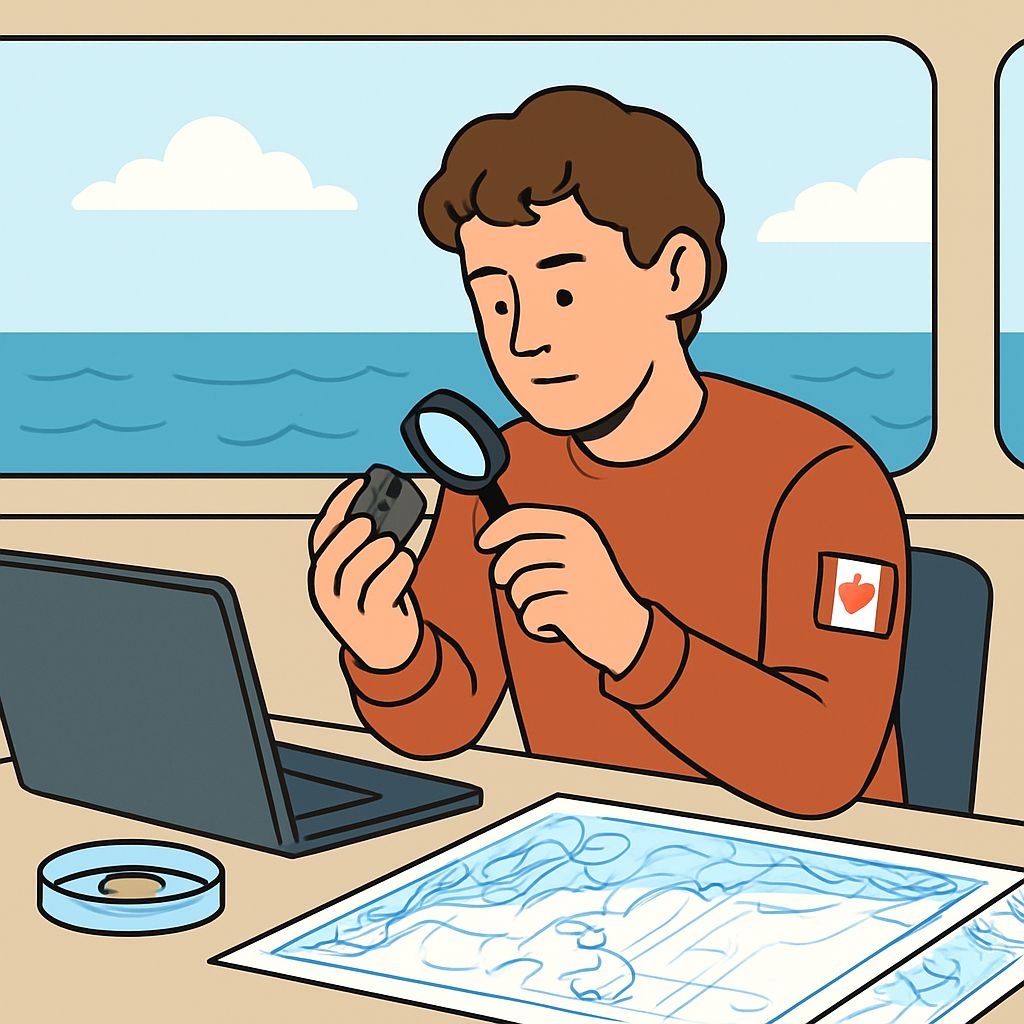
Employment Opportunities in Coastal Canada for Oceanographers
Overview of the Coastal Job Market
Oceanographers find diverse employment options along Canada’s coastal regions.
These areas benefit from strong marine research institutions and environmental agencies.
The demand for oceanographic expertise continues to grow steadily in these regions.
Job seekers encounter roles in government, academia, and private sectors.
Government and Public Sector Employment for Oceanographers
Federal agencies such as Fisheries and Oceans Canada employ many oceanographers.
They conduct research on marine ecosystems and support sustainable fisheries management.
Provincial governments also hire oceanographers to monitor coastal environments.
British Columbia’s Ministry of Environment offers specialized marine science roles.
Additionally, municipal initiatives engage experts for coastal planning and hazard assessments.
Academic and Research Opportunities for Oceanographers
Universities including the University of Victoria and Dalhousie University provide research positions.
Oceanographers in academia contribute to cutting-edge marine studies and technological innovation.
They often collaborate with government and industry partners on applied science projects.
Graduate students frequently find research assistantships that lead to career opportunities.
Industry and Private Sector Opportunities for Oceanographers
Environmental consulting firms hire oceanographers to assess and mitigate coastal impacts.
Companies like Maritime Data Solutions actively recruit specialists to support offshore projects.
Renewable energy firms seek oceanographers for offshore wind and tidal energy development.
The aquaculture industry demands expertise in marine biology and environmental monitoring.
Skills and Qualifications Valued by Employers
Employers look for candidates with strong data analysis and field research skills.
Proficiency in remote sensing, GIS, and ocean modeling enhances job prospects significantly.
Hands-on experience with marine instrumentation remains highly valuable in this field.
Effective communication skills are crucial for interdisciplinary collaboration.
Networking and Professional Growth for Oceanographers
Joining organizations like the Canadian Oceanographic Association helps expand professional networks.
Attending conferences and workshops opens doors to new employment opportunities.
Continuing education through certifications and courses supports career advancement.
Mentorship programs connect early-career oceanographers with established professionals.
Learn More: The Role of Geologists in Mineral Exploration
Impact of Climate Change on Oceanography and Coastal Ecosystems
Changing Ocean Temperatures
Oceanographers in coastal Canada observe rising ocean temperatures year after year.
Warmer waters alter marine species’ distribution along the coastline.
Consequently, cold-water fish populations decline while warmer-water species expand.
These shifts affect local fisheries and ecosystems dramatically.
Moreover, temperature changes influence ocean currents and weather patterns.
Effects on Marine Biodiversity
Climate change disrupts the delicate balance of coastal ecosystems.
Species such as sea stars and shellfish face increased mortality rates.
Additionally, invasive species often gain a foothold in altered habitats.
Oceanographers study these trends to predict future biodiversity outcomes.
Effective adaptation strategies depend on their continuous monitoring efforts.
Ocean Acidification and Its Consequences
Rising carbon dioxide levels increase ocean acidity along the Canadian coast.
Acidification weakens shell-forming organisms like clams and crabs.
As a result, the food web experiences considerable stress and disruption.
Research by Dr. Emily Harding at Marine Research Institute highlights these impacts.
Her team develops models to forecast acidification effects on coastal fisheries.
Sea Level Rise and Coastal Erosion
Sea levels gradually rise due to melting polar ice and thermal expansion.
Coastal communities face increased flooding and loss of valuable land.
Oceanographers collaborate with urban planners to assess erosion risks.
Furthermore, efforts focus on protecting habitats such as salt marshes and estuaries.
Organizations like Coastal Protection Services implement innovative shoreline defenses.
Strategies for Responding to Climate Change Challenges
Scientists advocate for enhanced monitoring networks along the Atlantic and Pacific coasts.
They utilize autonomous underwater vehicles to gather real-time environmental data.
Additionally, partnerships with Indigenous communities enrich local ecological knowledge.
Such collaboration improves climate resilience strategies across multiple sectors.
Experts like Dr. Liam O’Connor emphasize adaptive management to safeguard ecosystems.
Contribution of Oceanographers to Policy and Conservation
Researchers translate scientific findings into actionable policy recommendations.
Government agencies rely on their expertise to develop sustainable marine policies.
For instance, Fisheries and Oceans Canada integrates oceanographic data in regulation updates.
Private companies in aquaculture also benefit from climate-informed guidance.
Overall, oceanographers play a crucial role in preserving coastal Canada’s natural heritage.
Networking and Professional Development for Aspiring Oceanographers
Building Valuable Connections
Networking plays a crucial role in advancing an oceanographer’s career.
Engage with professionals at conferences such as the Canadian Ocean Sciences Convention.
Attend local seminars hosted by the Coastal Research Institute in Vancouver.
Connect with experts like Dr. Lauren Mitchell, a leading marine ecologist.
Moreover, join online forums dedicated to oceanographic research.
This approach broadens your professional circle effectively and efficiently.
Participating in Professional Organizations
Membership in professional bodies enhances your industry presence.
Consider joining the Oceanography Society of British Columbia.
Additionally, the Canadian Network for Ocean Technology offers valuable resources.
Members gain access to exclusive workshops and job boards.
Furthermore, these organizations facilitate mentorship opportunities with seasoned scientists.
Continuing Education and Skill Development
Ongoing education is essential for staying current in oceanography.
Enroll in courses offered by the Marine Institute of Atlantic Canada.
Workshops on GIS mapping and data analysis are particularly beneficial.
Also, seek out certifications in underwater robotics or remote sensing technologies.
Such skills significantly increase your employability in coastal research projects.
Volunteering and Internship Opportunities
Hands-on experience enables practical learning and networking simultaneously.
Volunteer with organizations like the Pacific Marine Environmental Laboratory.
Internship programs at Ocean Harbour Research Center provide field experience.
These roles expose you to real-world challenges and expert guidance.
Besides, they often lead to recommendations and job placements.


