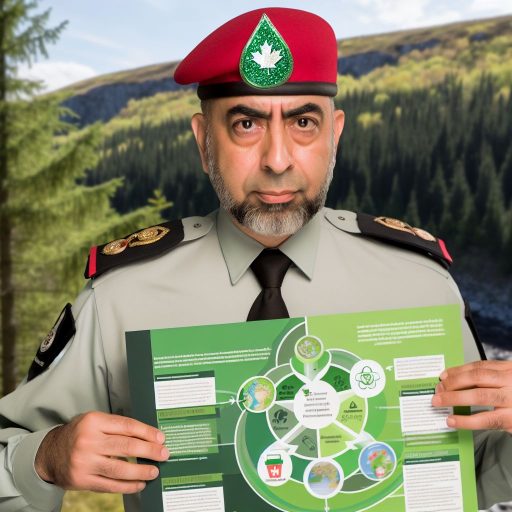




Overview of Environmental Officers’ Roles and Responsibilities
Core Duties in Environmental Protection
Environmental officers monitor compliance with environmental laws and regulations.
They conduct inspections at industrial and commercial sites regularly.
Moreover, they assess environmental risks to prevent ecological damage.
Officers also collect samples to analyze pollution levels accurately.
They report violations and recommend corrective actions promptly.
Investigation and Enforcement Responsibilities
Environmental officers investigate complaints about pollution or unsafe practices.
They gather evidence to support enforcement of environmental standards.
Furthermore, they collaborate with legal teams to ensure proper prosecution.
Officers may issue fines or penalties to violators consistently.
They also work to educate businesses on environmental compliance requirements.
Collaboration and Community Engagement
Officers coordinate with local authorities, NGOs, and conservation groups.
They engage communities to raise awareness about environmental protection.
Additionally, they participate in public meetings and deliver informative presentations.
They help develop sustainable practices that benefit both people and nature.
Finally, they support environmental policy development and implementation efforts.
Types of Tools Used by Environmental Officers
Monitoring and Sampling Equipment
Environmental officers frequently use monitoring devices to collect accurate data in the field.
They utilize air quality monitors to measure pollutants in the atmosphere.
Additionally, water testing kits help detect contaminants in rivers and lakes.
Soil sampling tools assist in evaluating soil health and detecting hazardous substances.
Moreover, noise dosimeters measure environmental noise levels around industrial sites.
These monitoring tools provide crucial data to assess environmental conditions effectively.
Analytical Software and Technology
Officers rely on Geographic Information Systems (GIS) to analyze spatial environmental data.
GIS software allows mapping of pollution sources and habitat distributions efficiently.
Environmental modeling programs predict the impact of various ecological changes.
Data management software organizes collected information and supports regulatory reporting.
Unlock Your Career Potential
Visualize a clear path to success with our tailored Career Consulting service. Personalized insights in just 1-3 days.
Get StartedFurthermore, mobile apps enable real-time reporting and data sharing in the field.
Such technology enhances decision-making and ensures compliance with environmental standards.
Protective Gear and Field Instruments
Environmental officers wear protective clothing such as gloves and masks during fieldwork.
This safety gear minimizes exposure to hazardous substances and harmful environments.
Handheld instruments like GPS units aid in precise location tracking during inspections.
Portable cameras document environmental conditions and support evidence collection.
In addition, drones offer aerial surveillance to monitor large or inaccessible areas.
These tools improve safety and increase the efficiency of environmental assessments.
Communication and Reporting Tools
Reliable communication devices are crucial for coordination among environmental teams.
Radios and smartphones keep officers connected during remote field operations.
Reporting software streamlines the creation of detailed environmental impact reports.
Cloud-based platforms facilitate sharing information with stakeholders instantly.
Effective communication tools help maintain transparency and swift response to issues.
Technological Innovations Impacting Environmental Assessment
Advanced Remote Sensing Tools
Environmental officers increasingly rely on advanced remote sensing for accurate data collection.
These tools include satellite imagery and drone-based sensors that monitor ecosystems remotely.
Furthermore, NASA’s Earth Observing System provides critical environmental insights.
Consequently, officers can detect changes in land use, forest cover, and water quality quickly.
Moreover, hyperspectral imaging helps identify pollutants and vegetation health with precision.
Real-Time Data Monitoring Devices
Modern environmental assessments benefit greatly from real-time monitoring devices.
For instance, companies like Solstice Environmental produce air quality sensors that deliver instant readings.
These devices measure pollutants like nitrogen dioxide, ozone, and particulate matter efficiently.
As a result, officers detect hazardous conditions promptly to mitigate risks.
Additionally, water quality probes analyze pH, turbidity, and contaminant levels in situ.
Geographical Information Systems (GIS)
Geographical Information Systems enhance the spatial analysis capabilities of environmental officers.
Esri’s ArcGIS platform allows for mapping and analyzing environmental data effectively.
GIS integrates various data sources, enabling comprehensive ecosystem assessments.
Subsequently, decision-making improves regarding habitat conservation and pollution control.
GIS also supports predictive modeling for future environmental changes and impact scenarios.
Artificial Intelligence and Machine Learning
Artificial Intelligence tools automate data analysis and pattern recognition in environmental studies.
Machine learning models train on large datasets to predict pollution trends accurately.
For example, GreenEdge Analytics developed AI algorithms to forecast air quality in urban zones.
Therefore, environmental officers anticipate problems before they escalate and plan mitigations.
Moreover, AI helps optimize resource allocation and environmental compliance monitoring.
Mobile Applications and Cloud-Based Platforms
Cloud computing enables seamless collaboration and data sharing among environmental teams.
Apps like EnviroTrack allow field officers to upload observations instantly to centralized databases.
This accessibility supports real-time updates and coordinated responses to environmental issues.
Furthermore, cloud platforms facilitate big data storage and advanced analytics for comprehensive assessments.
Hence, communication efficiency and data transparency improve dramatically in environmental projects.
Innovations in Sampling and Analytical Instruments
New portable sampling technologies simplify fieldwork for environmental officers.
For example, EcoScan Systems provides handheld devices that analyze soil and water samples quickly.
These instruments reduce laboratory dependence and speed up environmental impact evaluations.
Additionally, advances in spectroscopy and chromatography enhance the accuracy of contaminant detection.
Consequently, officers present more reliable data when advising policymakers and stakeholders.
Find Out More: Canadian Border Services Officer Salary and Benefits
Mapping and GIS Technologies for Environmental Monitoring
Overview of GIS Applications in Environmental Monitoring
GIS technology helps environmental officers analyze spatial and geographic data effectively.
Teams can monitor ecosystems and biodiversity with higher accuracy.
GIS also supports tracking pollution levels across diverse regions and industries.
It enables mapping of protected areas and natural resources efficiently.
These capabilities improve decision-making and resource management for environmental projects.
Remote Sensing and Satellite Imagery
Remote sensing complements GIS by providing up-to-date satellite images for analysis.
Environmental officers use these images to detect land use changes and habitat loss.
Satellite data highlights deforestation, urban expansion, and water quality issues.
The integration of remote sensing with GIS enhances monitoring during disaster events.
This combination supports rapid response to environmental hazards like oil spills or wildfires.
Tools and Software Utilized by Professionals
ArcGIS is a popular software for mapping, analysis, and visualization in environmental work.
QGIS offers an open-source alternative with extensive plugin support for diverse needs.
Software like ERDAS Imagine integrates remote sensing data with GIS layers.
Environmental officers use mobile GIS applications to collect field data in real-time.
These apps improve accuracy and reduce delays in environmental reporting and inspections.
Data Collection Techniques and Field Surveys
Field surveys often combine GPS devices with GIS software to ensure precise location tagging.
Officers deploy drones equipped with cameras to capture high-resolution images of remote sites.
These aerial perspectives offer detailed monitoring of hard-to-access environments.
Drones assist in tracking wildlife populations and vegetation health over time.
Together, these techniques provide comprehensive datasets for environmental analysis and planning.
Advantages of Advanced Mapping Technologies for Environmental Projects
Advanced mapping technologies increase the speed of environmental data processing significantly.
They improve collaboration among government agencies and conservation groups.
These tools allow for transparent communication with the public regarding environmental conditions.
Officers can predict trends and identify risk areas to mitigate environmental damage early.
Mapping and GIS technologies empower more effective environmental stewardship and policy enforcement.
Gain More Insights: Ombudsmen and the Importance of Neutral Mediation
Data Collection Tools: Remote Sensing and Field Equipment
Remote Sensing Technologies
Environmental officers use remote sensing to gather critical data efficiently.
Satellites capture large-scale environmental changes over time.
Moreover, drones equipped with cameras provide detailed aerial imagery.
These tools help monitor deforestation, water quality, and air pollution.
Furthermore, thermal imaging sensors detect heat changes in ecosystems.
Remote sensing reduces the need for constant field visits.
Companies like TerraVision Analytics specialize in remote sensing solutions.
Environmental specialists such as Megan Lawson frequently utilize these technologies.
Field Equipment for On-Site Data Collection
Field equipment remains essential for accurate environmental assessments.
Officers carry handheld GPS devices to mark precise locations.
Water quality meters measure pH, turbidity, and contaminant levels.
Additionally, air sampling pumps detect pollutants in real time.
Soil probes collect samples to analyze nutrient content and toxins.
For wildlife tracking, professionals use radio telemetry devices.
Dr. Alan Bremer from GreenEarth Labs often trains teams on proper equipment use.
Moreover, portable weather stations record microclimate data onsite.
Integration of Remote and Field Data
Combining remote sensing and field data improves accuracy significantly.
Data management platforms help synchronize and analyze diverse datasets.
This approach supports informed decision-making and environmental reporting.
Several firms, including EcoData Solutions, offer integrated data services.
Consequently, environmental officers can respond quicker and more effectively.
See Related Content: Differences Between Environmental Scientists and Officers
Regulatory Compliance Technologies for Environmental Standards
Advanced Monitoring Systems
Environmental officers use advanced monitoring systems to track pollution levels accurately.
These systems detect air, water, and soil contaminants in real time.
Continuous data collection helps identify trends and potential risks promptly.
Companies like GreenMetrics Solutions provide state-of-the-art sensors with automated reporting features.
These technologies enable officers such as Michael Andrade and Emily Chen to ensure facilities stay within legal limits.
Data Management and Reporting Tools
Officers rely on specialized data management platforms for regulatory recordkeeping.
These tools streamline data analysis, reducing administrative errors and increasing productivity.
For instance, EnviroLogix Software offers customizable dashboards to visualize compliance status clearly.
Moreover, cloud-based solutions facilitate secure data sharing with regulatory agencies.
Compliance manager Sophia Reyes utilizes these platforms to prepare accurate environmental impact reports efficiently.
Compliance Verification and Inspection Technologies
Digital inspection tools improve accuracy during environmental audits and site evaluations.
Handheld devices equipped with GPS and cameras document findings with geotagged evidence.
Drones assist officers like Daniel Kim in accessing hard-to-reach areas safely.
These tools provide thorough inspections that support enforcement actions effectively.
Mobile apps developed by TerraScope Analytics help track inspection schedules and deadlines seamlessly.
Regulatory Database Access and Updates
Access to up-to-date regulatory databases ensures officers remain informed about changing standards.
Environmental agencies offer online portals containing legislation, permits, and guidelines.
Specialists such as Priya Nair regularly review these resources to maintain compliance accuracy.
Integration of AI-driven alert systems notifies users immediately about regulatory amendments.
This technology helps officers respond swiftly to new compliance requirements and avoid violations.
Automated Emission Control Technologies
Facilities increasingly adopt automated systems to maintain emissions below permitted levels.
Real-time control adjusts processes based on continuous sensor feedback.
Environmental officers collaborate with engineering teams to verify these systems operate as intended.
Companies like EcoSense Technologies design innovative solutions tailored for industrial applications.
Consequently, compliance becomes more manageable, reducing environmental impact and legal risks.
Learn More: Importance of Environmental Officers in Sustainable Development
Software Applications for Environmental Impact Assessment
Role of Software in Environmental Impact Assessment
Environmental officers rely heavily on specialized software to evaluate potential impacts.
These tools help analyze data efficiently and improve decision-making.
Moreover, software applications enhance the accuracy of environmental assessments.
They facilitate compliance with regulatory requirements and standards.
Consequently, agencies like Evergreen Environmental develop user-friendly and robust applications.
Types of Software Used by Environmental Officers
Geographic Information Systems (GIS)
GIS software maps and visualizes environmental data spatially.
It helps identify sensitive areas affected by projects or developments.
Environmental officers use ArcTerra Analytics, a leading GIS platform in the field.
This software integrates satellite imagery and topographical information seamlessly.
Furthermore, GIS tools support habitat conservation and land-use planning efforts.
Environmental Modeling Software
Modeling software predicts environmental consequences under different scenarios.
An example is EcoSim Pro, which simulates air and water pollutant dispersion.
These simulations assist officers in anticipating risks and mitigation needs.
EcoSim Pro offers intuitive interfaces, attracting many environmental professionals.
Additionally, it incorporates local climate data to enhance model precision.
Data Management and Reporting Tools
Environmental officers utilize software to organize large volumes of monitoring data.
EnviroTrack Systems provides comprehensive tools to store and report findings.
This platform supports automated generation of compliance documents and audit trails.
It improves transparency and enables quick data retrieval during inspections.
Also, EnviroTrack allows collaboration among multidisciplinary assessment teams.
Benefits of Using Advanced Software Applications
Advanced software streamlines the assessment process and reduces manual errors.
It enables faster turnaround for impact evaluation and public consultations.
Moreover, software facilitates scenario analysis to guide sustainable project design.
Environmental officers can communicate results clearly to stakeholders using graphical outputs.
In addition, these tools promote continuous improvement in environmental management practices.
Collaboration Platforms for Environmental Data Sharing
Importance of Collaboration in Environmental Efforts
Environmental officers rely on data to make informed decisions.
Collaboration platforms enable efficient sharing of this crucial information.
These platforms foster teamwork among diverse environmental agencies.
They help reduce duplication of efforts across organizations.
Collaboration platforms enhance the overall impact of environmental projects.
Key Features of Environmental Data Sharing Platforms
These platforms provide secure access to real-time environmental data.
They support various file formats including maps, reports, and sensor outputs.
They enable tracking changes and version control for shared documents.
Most platforms offer user-friendly dashboards to visualize complex datasets.
They integrate communication tools to facilitate discussions among stakeholders.
Leading Platforms Used by Environmental Officers
One popular platform is TerraSync, which specializes in geospatial data sharing.
It allows officers to upload, edit, and analyze field data collaboratively.
Another widely used tool is EnviroCloud, known for its secure cloud storage solutions.
This platform supports automated data synchronization and mobile accessibility.
EcoLink is favored for connecting government and NGO partners effectively.
It features customizable workflows tailored to environmental monitoring tasks.
Benefits of Using Collaboration Platforms
Collaboration platforms streamline data gathering from multiple sources.
This efficiency accelerates project timelines and improves data accuracy.
They strengthen partnerships by providing transparent information sharing.
These platforms empower environmental officers to respond quickly to emerging issues.
They enhance regulatory compliance and community engagement efforts.
Best Practices for Effective Data Sharing
Environmental officers should establish clear roles and data protocols early.
They need to ensure data quality through regular audits and validations.
Training team members on platform tools maximizes the benefits of collaboration.
Maintaining data privacy and security builds trust among partners.
Routinely reviewing and updating shared data keeps information relevant and actionable.