



Definition and Overview of Speech Pathology
What Speech Pathology Entails
Speech pathology focuses on diagnosing communication disorders.
It also treats communication disorders.
Professionals in this field help individuals improve speech.
They assist with language skills.
They also support swallowing abilities.
They work with clients of all ages.
This includes infants and the elderly.
Moreover, speech pathologists assess speech difficulties.
They develop personalized therapy plans.
They also assist people with cognitive-communication challenges.
Voice disorders are part of their care scope as well.
Settings and Roles of Speech Pathologists
Speech pathologists work in diverse settings such as schools.
They also work in hospitals and private clinics.
They collaborate closely with educators.
Doctors are part of their teamwork.
They coordinate with families to support clients.
Additionally, they provide intervention for speech delays.
Stuttering is among the issues they treat.
They also address articulation problems.
Their goal is to enhance effective communication skills.
Improving the quality of life is a key objective.
Furthermore, they stay updated with research.
Evidence-based practices guide their therapy methods.
Definition and Overview of Audiology
What Audiology Entails
Audiology studies hearing, balance, and related disorders.
Professionals in this field assess and manage auditory health.
Unlock Your Career Potential
Visualize a clear path to success with our tailored Career Consulting service. Personalized insights in just 1-3 days.
Get StartedThey focus on diagnosing hearing loss and balance problems.
Moreover, audiologists develop treatment plans for their patients.
They also provide rehabilitation to improve communication abilities.
Scope of Audiological Practice
Audiologists work with individuals of all ages, from infants to seniors.
They use specialized equipment to test hearing functions accurately.
In addition, they fit and manage hearing aids and implants.
They collaborate with other healthcare professionals to ensure comprehensive care.
Furthermore, audiologists educate the public about hearing preservation strategies.
Settings Where Audiologists Operate
Audiologists perform their roles in diverse environments.
These include hospitals, private clinics, schools, and research centers.
They also work in occupational health settings to prevent hearing damage.
Sometimes, they engage in clinical research and technological development.
Thus, audiology combines science, technology, and patient care effectively.
Educational Pathways for Speech Pathologists vs. Audiologists
Academic Requirements for Speech Pathologists
Speech pathologists typically start their education earning a bachelor’s degree.
This degree often focuses on communication sciences or related fields.
Next, they pursue a master’s degree in speech-language pathology, which is essential to practice.
Graduate programs emphasize anatomy, linguistics, and therapeutic techniques.
Additionally, students gain practical experience through supervised clinical placements.
Accreditation from organizations such as the American Speech-Language-Hearing Association ensures program quality.
After graduation, candidates must complete a clinical fellowship to qualify for certification.
Finally, they prepare for and pass a national examination to become licensed speech pathologists.
Academic Requirements for Audiologists
Audiologists now require a doctoral degree to enter the profession.
This degree, called a Doctor of Audiology (AuD), typically takes four years to complete.
Applicants usually hold a bachelor’s degree in communication sciences or a similar area.
The AuD program includes courses in auditory science, diagnostics, and rehabilitation.
Students participate in extensive clinical rotations to gain hands-on experience.
Programs are accredited by the Council on Academic Accreditation in Audiology and Speech-Language Pathology.
After earning the doctorate, graduates must pass national and state licensing exams.
Many audiologists also choose to earn board certification for professional recognition.
Differences in Training and Certification
Speech pathologists focus more on language and speech disorders in their education.
In contrast, audiologists concentrate on hearing assessment and balance disorders.
Therefore, their clinical training differs to match these specialties.
Speech pathologists work on communication interventions, while audiologists handle hearing devices and auditory evaluations.
Licensing requirements vary by state but generally reflect these educational distinctions.
Continuing education is required for both professions to maintain licensure and stay current.
Both careers demand a strong foundation in science and patient-centered care.
Career Preparation and Advancement Opportunities
Graduates in both fields often begin with entry-level clinical practice.
They may choose to specialize further, such as in pediatric therapy or cochlear implant programming.
Advanced certifications and fellowships offer avenues for career growth.
Academic teaching and research positions remain viable options for doctoral-level audiologists.
Many professionals pursue leadership roles in hospitals, schools, or private clinics.
Strong educational backgrounds open doors to interdisciplinary collaboration opportunities.
Find Out More: Specializations Within Speech-Language Pathology
Scope of Practice: Roles and Responsibilities in Speech Pathology
Assessment and Diagnosis
Speech pathologists evaluate communication disorders in individuals of all ages.
They use standardized tests and clinical observations to identify speech and language issues.
Moreover, they determine the severity and underlying causes of each disorder.
Early intervention is critical, so speech pathologists often work with children to detect delays.
They also assess speech difficulties related to neurological conditions in adults.
Therapeutic Interventions
Speech pathologists design personalized treatment plans for their clients.
They implement therapy targeting speech, language, voice, and fluency disorders.
In addition, they use techniques to improve swallowing and cognitive-communication skills.
Therapy sessions often involve interactive activities to enhance speech and language abilities.
Consistent progress monitoring helps adjust interventions for optimal results.
Collaboration and Education
Speech pathologists collaborate with families, educators, and healthcare professionals.
They provide guidance and strategies for supporting communication development at home and school.
Additionally, they educate caregivers about effective communication techniques.
They advocate for client needs within academic and medical settings.
Furthermore, speech pathologists stay informed on the latest research and practices.
Specialized Roles in Speech Pathology
Some speech pathologists specialize in areas like pediatric speech disorders or adult neurogenic communication issues.
Others focus on voice therapy, accent modification, or augmentative and alternative communication.
Such specialization allows tailored services to meet diverse client needs effectively.
Speech pathologists often participate in multidisciplinary teams for comprehensive care.
They contribute professional expertise to support holistic treatment approaches.
Explore Further: Integrating Kinesiology into Modern Health Care Practices
Scope of Practice: Roles and Responsibilities in Audiology
Assessment and Diagnosis
Audiologists evaluate patients to identify hearing and balance disorders.
They use specialized equipment to conduct hearing tests and assessments.
Furthermore, audiologists analyze test results to diagnose auditory conditions.
This process helps develop accurate treatment and management plans.
Hearing Aid Fitting and Management
Audiologists select and fit hearing aids based on individual patient needs.
They adjust devices to optimize hearing performance and comfort.
In addition, audiologists provide ongoing support and device maintenance.
This ensures patients achieve maximum benefit from their hearing aids.
Tinnitus Evaluation and Counseling
Audiologists assess tinnitus symptoms and their impact on patients.
They offer counseling to help patients manage the condition effectively.
Moreover, audiologists recommend sound therapy and coping strategies.
This holistic approach improves patients’ quality of life significantly.
Balance and Vestibular Testing
Auditory professionals conduct balance assessments for patients with dizziness.
They identify vestibular system disorders contributing to balance problems.
Additionally, audiologists collaborate with medical professionals for integrated care.
This multidisciplinary approach enhances diagnosis and treatment outcomes.
Patient Education and Advocacy
Audiologists inform patients about hearing health and prevention techniques.
They advocate for accessibility and accommodations in educational and workplace settings.
Consequently, audiologists empower patients to make informed decisions.
This role extends to public awareness and hearing conservation efforts.
Learn More: Speech Pathology’s Impact On Cognitive Development
Common Disorders Treated by Speech Pathologists
Speech Sound Disorders
Speech pathologists help individuals who struggle with pronouncing sounds correctly.
They work with both children and adults to improve articulation and clarity.
Additionally, they address issues such as lisps, distortions, and omissions.
Language Disorders
These specialists treat difficulties in understanding or using spoken language effectively.
They assist clients with vocabulary, sentence structure, and conversational skills.
Furthermore, they support those with developmental language delays and aphasia following brain injury.
Fluency Disorders
Speech pathologists manage conditions like stuttering and cluttering.
They implement strategies to increase speech fluency and reduce disruptions.
Consequently, clients gain confidence and improve communication flow.
Voice Disorders
They treat patients facing problems with pitch, volume, or vocal quality.
This includes hoarseness, breathiness, vocal nodules, and paralysis.
Therapy aims to restore healthy voice function and prevent further damage.
Swallowing Disorders
Speech pathologists evaluate and treat swallowing difficulties known as dysphagia.
They develop rehabilitation plans to improve safety and efficiency while eating or drinking.
Patients with neurological conditions or injuries often benefit from this therapy.
Social Communication Disorders
They support individuals struggling with social interaction and pragmatic language skills.
This is common in autism spectrum disorders and traumatic brain injuries.
Interventions focus on improving conversational turn-taking and understanding social cues.
Additional Areas of Support
Speech pathologists also assist with cognitive-communication impairments.
They help improve memory, attention, problem-solving, and executive functions.
Moreover, they offer counseling and education to families and caregivers.
You Might Also Like: The Role of Podiatrists in Managing Chronic Foot Pain
Common Disorders Treated by Audiologists
Hearing Loss
Audiologists primarily diagnose hearing loss in patients of all ages.
They assess the degree and type of hearing impairment with specialized tests.
Next, audiologists recommend hearing aids or cochlear implants for severe cases.
They also provide counseling to help individuals adjust to hearing devices.
Tinnitus Management
Tinnitus, or ringing in the ears, frequently affects many people worldwide.
Audiologists evaluate tinnitus severity and potential underlying causes.
Then, they develop personalized management plans including sound therapy.
Additionally, they educate patients on coping strategies to minimize tinnitus effects.
Balance Disorders
Audiologists often treat balance disorders related to the inner ear.
They perform vestibular assessments to identify causes of dizziness or vertigo.
Subsequently, audiologists design rehabilitation exercises to improve balance.
This therapy enhances stability and reduces fall risks in affected patients.
Auditory Processing Disorders
Some patients struggle with processing sounds despite normal hearing levels.
Audiologists conduct tests to diagnose auditory processing disorders accurately.
They then provide strategies and therapies to improve auditory comprehension.
For children, this support helps enhance academic and communication skills.
Earwax Blockage and Middle Ear Problems
Audiologists routinely address earwax build-up and middle ear dysfunctions.
They safely remove excess earwax to restore hearing clarity.
Furthermore, they monitor and manage conditions like otitis media or Eustachian tube disorders.
This approach helps prevent further complications and maintains ear health.
Interdisciplinary Collaboration between Speech Pathologists and Audiologists
Importance of Collaborative Practice
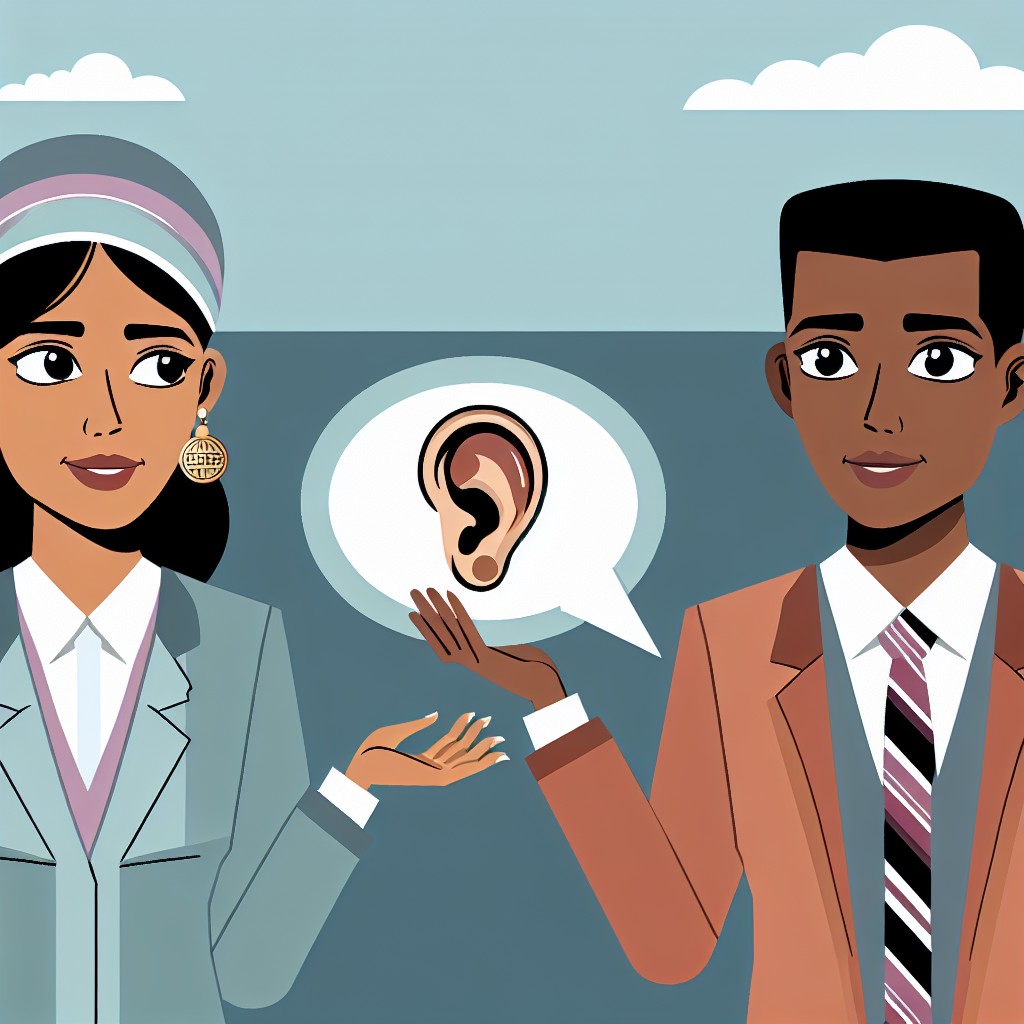
Speech pathologists and audiologists often work together to provide comprehensive care.
This collaboration improves patient outcomes.
They address communication challenges effectively.
Moreover, interdisciplinary teamwork allows a holistic approach to diagnosis and treatment.
Consequently, patients receive coordinated services tailored to their unique needs.
Shared Roles and Responsibilities
Both professionals assess different aspects of communication and hearing disorders.
Speech pathologists focus on speech, language, and swallowing difficulties.
In contrast, audiologists evaluate hearing loss and balance disorders.
Together, they design intervention plans that integrate their specialized knowledge.
Communication and Referral Process
Clear communication between speech pathologists and audiologists ensures seamless referrals.
Additionally, sharing assessment results helps develop cohesive treatment goals.
This continuous information exchange minimizes duplication.
It also enhances service efficiency.
Collaborative Intervention Strategies
They jointly implement interventions to support speech and hearing rehabilitation.
For example, audiologists provide hearing aids while speech pathologists train auditory skills.
Combined therapy sessions often yield better progress than isolated treatments.
Therefore, synchronized care maximizes patient engagement and success rates.
Case Study: Coordinated Care at Harmony Hearing Clinic
Harmony Hearing Clinic integrates audiology and speech pathology services under one roof.
Here, Dr. Sarah Nguyen, an audiologist, collaborates closely with speech pathologist Michael Turner.
Together, they evaluate children with hearing loss and provide comprehensive intervention.
Their teamwork has significantly improved speech clarity and auditory processing in clients.
Work Settings Where Speech Pathologists Operate
Medical and Healthcare Facilities
Speech pathologists commonly work in hospitals.
They assist patients with communication issues.
They also provide therapy in rehabilitation centers.
These centers focus on stroke and brain injury recovery.
Moreover, many join outpatient clinics like Cedarview Speech Center.
They offer ongoing care in these clinics.
In these settings, they collaborate closely with doctors and occupational therapists.
Educational Institutions
Schools serve as important workplaces for speech pathologists.
They support children with speech and language difficulties.
This support takes place in elementary and high schools.
For instance, the Maplewood School District employs speech pathologists.
They help students improve communication skills.
Additionally, they design individualized education programs.
They coordinate these programs with teachers.
Private Practice and Community Services
Many speech therapists run private practices to serve diverse client needs.
For example, Horizon Speech Therapy offers pediatric and adult therapy in communities.
Likewise, they provide teletherapy services.
This increases accessibility for remote clients.
These professionals often engage with families to encourage speech development at home.
Specialized Environments for Speech Pathologists
Speech pathologists also work in specialized environments.
These include nursing homes where they assist elderly patients.
They help with swallowing and speech issues there.
They may also work in research facilities like the Franklin Communication Institute.
These facilities study speech disorders.
Furthermore, some work with correctional facilities to support inmates’ communication skills.
Work Settings Where Audiologists Operate
Healthcare Facilities
Audiologists most often work in hospitals and specialty clinics.
They assess and treat hearing and balance disorders for patients of all ages.
Additionally, many audiologists operate within ear, nose, and throat (ENT) practices.
Clinics like Harmony Hearing Center employ audiologists for diagnostic services.
Educational Institutions
Audiologists also support students in public and private schools.
They provide screenings and interventions for children with hearing challenges.
Furthermore, universities such as Lakeside University hire audiologists for research and teaching roles.
Schools often collaborate with audiologists to improve classroom acoustics and accessibility.
Private Practices and Hearing Aid Dispensaries
Many audiologists own or work in private hearing clinics.
These clinics offer personalized hearing evaluations and device fittings.
Sunrise Audiology, led by Dr. Maya Hebert, is an example of a busy private practice.
Occupational and Industrial Settings
Some audiologists work in corporate environments addressing workplace hearing safety.
They conduct noise assessments and provide hearing conservation programs.
Corporations like Greenfield Manufacturing retain audiologists to protect employee hearing health.
Research and Government Agencies
Audiologists contribute to research at dedicated centers and government institutions.
They develop new techniques for hearing loss diagnosis and prevention.
Centers such as the National Hearing Institute employ audiologists for these purposes.
Moreover, audiologists often advise public health programs on hearing impairment policies.
Professional Organizations and Certification for Speech Pathologists
Key Professional Organizations
The American Speech-Language-Hearing Association (ASHA) serves as the main body for speech pathologists.
ASHA provides resources, advocacy, and continuing education opportunities.
Additionally, state-level associations support speech pathologists locally and regionally.
For example, the California Speech-Language-Hearing Association offers networking and professional growth.
These organizations promote high standards for clinical practice and research.
Certification Requirements
Speech pathologists must earn a graduate degree in communication sciences and disorders.
Afterward, they complete supervised clinical hours under certified professionals.
ASHA grants the Certificate of Clinical Competence in Speech-Language Pathology (CCC-SLP) upon meeting standards.
This credential validates competence and commitment to ethical practice.
Applicants must pass a national examination that tests knowledge and clinical skills.
Moreover, they need to maintain certification through ongoing professional development.
State Licensure and Continuing Education
Each state requires speech pathologists to obtain licensure to practice legally.
Licensure typically mandates holding the CCC-SLP credential or equivalent qualifications.
States also demand continuing education to ensure current knowledge and skill application.
For instance, the Texas Department of Licensing and Regulation requires regular renewal with proof of education.
These steps safeguard public health and uphold professional standards.
Advantages of Active Participation in Professional Groups
Membership in professional organizations fosters collaboration and networking.
Speech pathologists gain access to research journals and industry updates.
Participation in conferences helps clinicians stay informed about innovations in the field.
Furthermore, organizations offer leadership opportunities and mentoring programs.
Such involvement supports career growth and excellence in patient care.
Professional Organizations and Certification for Audiologists
Key Professional Organizations
Professional organizations play a crucial role in supporting audiologists.
The American Speech-Language-Hearing Association (ASHA) represents many audiologists in the United States.
ASHA provides resources, advocacy, and continuing education opportunities.
Similarly, the Academy of Doctors of Audiology (ADA) promotes clinical excellence among audiologists.
The ADA emphasizes independent practice and professional autonomy.
Internationally, the International Society of Audiology (ISA) connects audiologists worldwide.
ISA encourages global collaboration and research advancements.
Certification Requirements for Audiologists
Certification ensures audiologists meet rigorous professional standards.
Most states require audiologists to hold a valid license to practice.
Licensing typically demands a master’s or doctoral degree in audiology.
Additionally, audiologists must pass a national examination administered by the Praxis program.
Many professionals pursue the Certificate of Clinical Competence in Audiology (CCC-A) from ASHA.
The CCC-A certifies proficiency and commitment to ethical standards.
Renewing certification involves completing continuing education credits regularly.
Advantages of Certification and Professional Membership
Membership in professional organizations offers networking and professional development.
Certified audiologists gain increased credibility with patients and employers.
Organizations advocate for audiologists’ interests at the legislative level.
They also provide access to the latest research and clinical best practices.
Furthermore, certification helps audiologists maintain competency and enhance their careers.
Professional involvement fosters growth and excellence in audiology practice.
Additional Resources
Canadian Stroke Best Practice Recommendations: Mood, Cognition …