




Understanding Probate: Definition and Process Overview
What Probate Means
Probate is a legal process that begins after someone passes away.
It involves validating the deceased person’s will with the court.
Alternatively, if there is no will, the court appoints someone to manage the estate.
This process ensures the deceased’s assets are distributed properly.
Moreover, probate helps settle debts and taxes owed by the estate.
Key Steps in the Probate Process
First, an executor or personal representative files a petition with the probate court.
Next, the court officially appoints this individual to handle estate matters.
Then, assets are identified, inventoried, and appraised by the representative.
Creditors are notified to submit any claims against the estate.
Following this, debts and taxes are paid using estate funds.
Finally, the remaining assets are distributed to beneficiaries as directed by the will or law.
Why People Consult Trust and Estate Practitioners
Trust and estate practitioners guide clients through probate’s complex legal requirements.
They help minimize delays and reduce risks of estate disputes.
Additionally, these professionals provide advice on protecting assets during probate.
Furthermore, they ensure compliance with all state and local probate laws.
Their expertise supports executors and beneficiaries every step of the way.
Factors Affecting the Duration of Probate
The size and complexity of the estate often influence probate length.
Another factor includes whether the will faces any challenges.
The efficiency of the probate court also impacts the process’s speed.
Having no will can result in longer proceedings due to intestacy laws.
Hiring experienced practitioners can help shorten the overall timeline.
Role of a Trust and Estate Practitioner in Navigating Probate
Guiding Through Complex Probate Processes
A trust and estate practitioner eases the complexities involved in probate.
They explain probate procedures clearly to clients like Margaret Ellis and her family.
Moreover, they help identify necessary documents required for probate submission.
By doing so, they prevent delays caused by incomplete paperwork during estate administration.
Unlock Your Career Potential
Visualize a clear path to success with our tailored Career Consulting service. Personalized insights in just 1-3 days.
Get StartedIn addition, they coordinate with local courts to ensure timely probate filings.
Providing Expert Legal Advice
Practitioners such as Samuel Irving offer precise legal guidance on trust interpretation.
They clarify how various estate laws impact the distribution of assets.
Furthermore, their expertise helps avoid costly legal mistakes or disputes amongst heirs.
They also ensure compliance with state-specific probate and inheritance regulations.
Facilitating Communication Among Beneficiaries and Institutions
Trust and estate practitioners act as liaisons between beneficiaries and financial institutions.
They communicate regularly with banks, insurance companies, and investment firms.
For example, Linda Garner’s practitioner successfully coordinated asset transfers across institutions.
This prevents confusion and streamlines the probate process efficiently.
Managing Estate and Trust Assets
The practitioner undertakes fiduciary responsibilities to manage estate assets prudently.
They appraise properties, secure valuable items, and oversee ongoing investments.
In addition, they prepare detailed financial reports for heirs and courts.
This accountability fosters trust and ensures proper estate preservation.
Resolving Disputes and Challenges
Experienced practitioners mediate conflicts between competing heirs or beneficiaries.
They propose fair settlements to avoid prolonged probate litigation.
For instance, Nicholas Fairbanks successfully resolved complex inheritance disputes this way.
Consequently, they maintain familial relationships while protecting estate value.
Common Challenges in the Probate Process and How Practitioners Help
Navigating Complex Legal Requirements
The probate process involves various complex legal steps that can confuse many individuals.
Meeting deadlines and submitting correct documents is crucial to avoid delays.
Trust and estate practitioners like Amanda Reynolds guide clients through these intricate legal procedures.
They ensure all filings comply with local regulations, reducing the risk of errors.
This support helps families move through the probate process with confidence.
Resolving Disputes Among Beneficiaries
Disagreements often arise between heirs during probate, which can stall the process.
Conflicts over asset distribution may lead to costly litigation.
Practitioners such as Michael Thornton mediate between parties to find amicable solutions.
They explain legal rights clearly to each beneficiary, easing tensions.
Thus, they help facilitate smoother asset allocation and prevent prolonged disputes.
Managing Estate Administration Efficiently
Administering an estate requires tracking assets, paying debts, and filing taxes.
Many executors find this overwhelming without proper experience or knowledge.
Estate experts like Linda Cheng oversee these administrative duties professionally.
They coordinate with financial institutions, tax authorities, and courts timely.
As a result, executors avoid common pitfalls and complete estate matters more quickly.
Handling Tax and Financial Complexities
Probate often involves addressing complex tax laws and financial obligations.
Failure to comply with tax requirements can result in penalties or increased estate costs.
Practitioners such as Daniel O’Connor provide specialized advice on estate and inheritance taxes.
They also assist in preparing accurate tax returns and financial statements.
Therefore, they minimize tax liabilities and protect the estate’s value for beneficiaries.
Providing Emotional Support During Difficult Times
Dealing with probate can be emotionally taxing for grieving family members.
Uncertainty about legal processes adds to their stress.
Trusted practitioners offer compassionate guidance and clear communication.
They listen attentively to concerns and provide reassurance throughout the probate journey.
Consequently, clients feel supported, informed, and better able to make decisions.
Uncover the Details: Tools Immigration Consultants Use in Canada
The Importance of Estate Planning to Avoid Complications during Probate
Ensuring Clear Distribution of Assets
Estate planning clearly outlines how assets should be distributed after death.
It reduces disagreements among heirs and beneficiaries.
Without a plan, the court decides asset distribution which can be time-consuming.
Proper documentation minimizes the risk of family conflicts.
Reducing Probate Delays and Costs
Probate can be a lengthy and costly process for families.
However, estate planning helps expedite probate by organizing necessary documents.
Setting up trusts and wills with a practitioner minimizes legal fees and court involvement.
As a result, loved ones receive their inheritance sooner and with fewer expenses.
Protecting Privacy and Keeping Matters Confidential
Probate proceedings are typically public, exposing private family details.
In contrast, trusts established during estate planning maintain privacy.
This confidentiality protects sensitive information from public records.
Working with a qualified practitioner safeguards your family’s privacy.
Facilitating Smooth Asset Management
Estate planning allows smooth management of assets in case of incapacity.
Trust and estate practitioners help designate guardians and fiduciaries accordingly.
Clear instructions reduce the burden on family members during difficult times.
Consequently, asset management becomes more efficient and less stressful.
Key Benefits of Estate Planning
- Prevents family disputes through clear instructions.
- Decreases probate delays and legal costs.
- Maintains privacy and confidentiality.
- Ensures smooth financial and asset management.
Estate planning with an expert like Gregory Langley protects your legacy.
Consulting a trust and estate practitioner early is a wise decision.
See Related Content: How Legal Consultants Support Business Compliance
Key Documents Required for Probate: A Checklist
Essential Legal Documents
The original will is the most important document for probate proceedings.
It establishes the deceased’s intentions for estate distribution.
Alongside the will, a valid death certificate must be submitted.
This document officially confirms the passing of the individual.
Additionally, the grant of probate or letters of administration authorize executors to manage the estate.
These documents are issued by the probate registry after application.
Financial and Property Records
Gather all bank statements associated with the deceased’s accounts.
Include savings, checking, and investment accounts for a complete financial overview.
Also collect property deeds and titles for any real estate owned at the time of death.
These documents confirm ownership and assist in transferring property legally.
Investment portfolios, such as stocks and bonds, require detailed statements.
Personal Identification and Related Papers
Provide the deceased’s valid identification documents, such as passport or driver’s license.
This helps confirm identity and prevents fraud during probate.
Marriage certificates or divorce decrees may also be needed to verify marital status.
Next of kin contact details should be prepared to facilitate communication.
Debt and Liability Documentation
Collect all outstanding debt records, including credit card statements and loan agreements.
These documents help assess liabilities that affect estate distribution.
Utility bills and mortgage statements may be required for completeness.
It is essential to disclose all debts to avoid complications later.
Additional Supporting Documents
Trust documents must be submitted if the deceased held any trusts.
These files detail assets managed within trusts separate from the probate estate.
Tax returns for the past several years should also be gathered.
This information assists in resolving any outstanding tax obligations.
Finally, any correspondence with financial institutions or legal advisors can be useful.
See Related Content: Key Skills for Canadian Immigration Consultants
How Trusts Can Simplify the Probate Process
Role of Trusts in Estate Planning
A trust transfers assets to a designated trustee for management and distribution.
Unlike a will, a trust can avoid the lengthy probate court process.
Consequently, it helps beneficiaries receive assets more quickly.
Estate planner Amanda Reynolds explains trusts reduce court involvement significantly.
Trusts provide privacy by keeping asset details out of public probate records.
Types of Trusts That Aid Probate
Revocable living trusts are common tools for estate planners.
They allow grantors to maintain control while alive and avoid probate after death.
Fixed trusts can clearly specify how and when assets are distributed.
In addition, special needs trusts protect beneficiaries with disabilities without affecting benefits.
Benefits of Using Trusts
Trusts streamline asset management during incapacity or death.
They reduce legal fees and expenses associated with probate court proceedings.
Moreover, trusts minimize delays that often frustrate heirs.
Attorney Carlos Mendoza notes trusts offer flexibility in addressing family circumstances.
Working with a Trust and Estate Practitioner
Estate practitioners guide clients in choosing the best trust structure.
They draft documents tailored to individual financial and family situations.
With expert advice, clients ensure their wishes are legally enforceable.
Collaboration with a specialized attorney enhances probate simplification.
Key Considerations When Creating a Trust
- Clearly identify all trust assets to prevent confusion later.
- Select a trustworthy and capable trustee to manage the trust.
- Review and update trusts regularly to reflect life changes.
- Understand tax implications tied to different trust types.
- Communicate plans with beneficiaries to reduce misunderstandings.
Gain More Insights: Essential Certifications for Canadian Compliance Officers
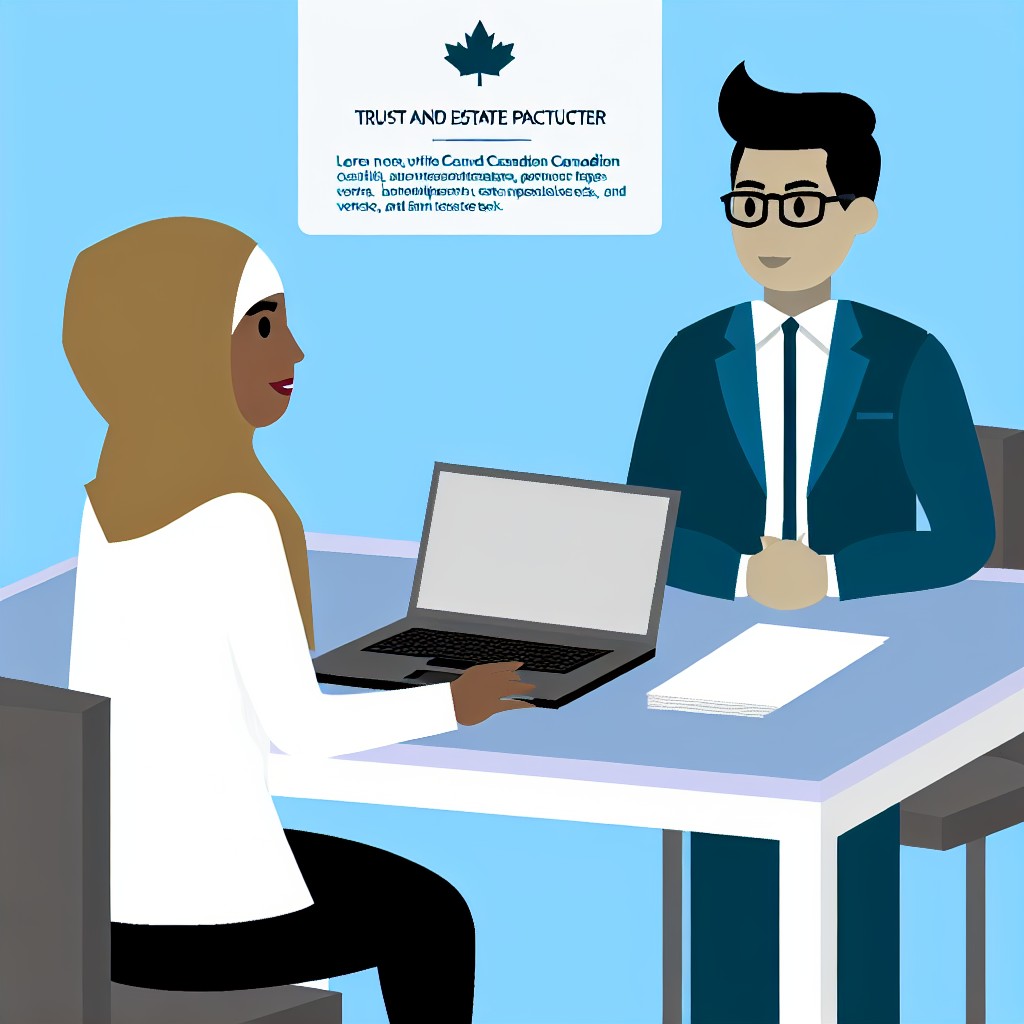
Engaging with Beneficiaries
Establishing Clear Communication Channels
Effective communication begins by setting clear channels for beneficiary interactions.
Trustees often use email, phone calls, and in-person meetings to maintain contact.
Furthermore, formal letters help document important updates and decisions.
Brian Mitchell, a trust attorney at Greenfield Legal Partners, recommends regular scheduled updates.
This approach reduces misunderstandings and fosters transparency throughout the probate process.
Managing Expectations and Providing Updates
Beneficiaries appreciate timely and honest updates about the estate’s progress.
Therefore, practitioners should explain the probate timeline at the outset.
Additionally, detailing potential delays helps prepare beneficiaries for realistic outcomes.
For instance, Clarissa Monroe advises clearly outlining the steps involved to reduce anxiety.
Providing interim financial statements also reassures beneficiaries that the estate is well-managed.
Handling Conflicts and Sensitive Discussions
Disputes among beneficiaries can arise during probate administration.
In such cases, maintaining professionalism and neutrality is crucial.
Grace Reynolds, a mediator specializing in trusts, stresses the importance of active listening.
Moreover, acknowledging concerns without taking sides promotes constructive dialogue.
Using written summaries of discussions can help clarify agreements and reduce confusion.
Encouraging Beneficiary Participation
Engaging beneficiaries in decision-making fosters trust and cooperation.
Practitioners should invite questions and provide clear avenues for feedback.
Regular meetings encourage beneficiaries to voice concerns early, preventing escalations.
For example, Ethan Hall recommends virtual conferences to accommodate distant heirs effectively.
This inclusion often leads to smoother probate administration and fewer disputes.
Utilizing Technology for Efficient Communication
Modern tools improve accessibility and record-keeping during probate.
Document management platforms enable secure sharing of estate records with beneficiaries.
Additionally, video calls allow face-to-face interaction without logistical challenges.
Anna Patel from Sterling Legal Solutions highlights that technology saves time and reduces errors.
Therefore, adopting these tools benefits both practitioners and beneficiaries significantly.
The Impact of Taxes and Debts on Probate Outcomes
How Taxes Influence Probate
Taxes can significantly affect the distribution of an estate during probate.
Estate taxes must be assessed before assets transfer to heirs.
Consequently, the probate process often includes tax filing and payment requirements.
Failure to address these taxes can delay probate and increase costs.
A certified Trust and Estate Practitioner like Amanda Cooper can help minimize tax liabilities.
Types of Taxes Relevant to Probate
Probate may involve federal estate taxes depending on the estate size.
State inheritance taxes can also reduce the estate’s value for beneficiaries.
Additionally, income taxes may apply to certain assets within the estate.
Therefore, understanding all applicable taxes is crucial during probate planning.
Impact of Debts on Probate Outcomes
Debts owed by the deceased directly influence the probate distribution.
Creditors have the right to claim outstanding debts before assets reach heirs.
Consequently, the estate’s available assets may shrink after debt repayment.
Unpaid debts can result in prolonged probate administration and added fees.
Trust and Estate Practitioners like Marcus Bennett can assist in negotiating and settling debts efficiently.
Common Debts Affecting Estates
Mortgages and home equity loans often represent large estate liabilities.
Credit card balances and personal loans also reduce distributable assets.
Medical bills and funeral expenses must be paid from the estate.
Thus, accurately identifying all debts is essential for probate clarity.
Strategies to Mitigate Taxes and Debts
Proactive estate planning helps reduce tax burdens and manage debts.
Setting up trusts can protect assets from certain taxes and creditors.
Regular consultation with estate experts keeps plans up to date with tax laws.
Consequently, the probate process becomes smoother and less costly for beneficiaries.
Working with professionals like Marissa Chen ensures effective tax and debt management during probate.
Best Practices for Choosing the Right Trust and Estate Practitioner
Evaluating Credentials and Experience
Begin by verifying the practitioner’s professional qualifications.
Look for certifications such as Certified Trust and Estate Practitioner (CTEP).
Experience with cases similar to yours indicates practical knowledge.
Moreover, consider their years of practice in probate and estate matters.
Ask about successful cases they have handled recently.
Assessing Communication and Personal Rapport
Effective communication ensures you understand complex legal processes.
Choose a practitioner who explains matters clearly and patiently.
Additionally, a trustworthy expert listens attentively to your concerns.
It helps to have a positive and respectful working relationship.
Schedule an initial consultation to gauge their responsiveness and approachability.
Reviewing Client References and Reputation
Check online reviews from previous clients.
Reputable practitioners often have testimonials on their websites.
Request references to speak directly with past clients.
Furthermore, inquire about any disciplinary actions or complaints.
A solid professional standing reflects reliability and ethical standards.
Understanding Fee Structures and Transparency
Clarify how the practitioner charges for their services.
Fees can be hourly, flat rate, or contingent on the estate value.
Request a clear, written estimate before proceeding.
Transparency about costs avoids unexpected expenses.
Compare fee structures among several practitioners to find a fair option.
Considering Specialized Knowledge and Support Services
Opt for practitioners familiar with local probate laws.
Specialized knowledge ensures efficient handling of your case.
Some firms offer complementary support like financial planning advice.
Also, teamwork with accountants or financial advisors can be valuable.
This collaborative approach enhances the quality of estate management.
Additional Resources
New edition of Macdonell, Sheard and Hull on Probate Practice | Ian …
The Complete Guide to Florida Probate – Florida Probate Law Group