



Introduction to Arboriculture and Its Importance in Urban Landscapes
Defining Arboriculture
Arboriculture focuses on the cultivation and management of trees and shrubs.
It primarily deals with the health and safety of urban trees.
Moreover, arboriculture supports the overall well-being of green spaces in cities.
Significance of Trees in Urban Areas
Trees provide shade, improve air quality, and reduce urban heat effects.
They also enhance the aesthetic appeal of neighborhoods and public spaces.
In addition, trees help in managing stormwater and reducing soil erosion.
Role of an Arborist in Urban Environments
An arborist specializes in the care and maintenance of trees within cities.
They assess tree health and recommend necessary treatments or interventions.
Besides maintenance, arborists guide tree planting to maximize environmental benefits.
Furthermore, arborists ensure public safety by managing hazardous or damaged trees.
Growing Need for Professional Tree Care
Urban expansion increases stress on existing trees and green areas.
Consequently, professional arboriculture becomes essential for sustainable urban growth.
Many cities, such as Greenhaven and Brookfield, employ arborists to maintain their urban forests.
The Role of an Arborist: Responsibilities and Skills Required
Core Responsibilities of an Arborist
An arborist cares for and maintains trees in urban landscapes.
They assess tree health.
They identify diseases.
They recommend treatments.
Additionally, they perform pruning to improve tree structure and safety.
They manage tree planting to ensure proper growth and placement.
Furthermore, arborists remove hazardous or dead trees carefully and efficiently.
They also consult with city planners on tree preservation and landscape design.
Moreover, arborists inspect trees before construction projects to prevent damage.
They educate the public about proper tree care and environmental benefits.
Essential Skills for Urban Arborists
An arborist must have strong knowledge of tree biology and species.
They require practical skills in climbing and operating specialized equipment.
Unlock Your Career Potential
Visualize a clear path to success with our tailored Career Consulting service. Personalized insights in just 1-3 days.
Get StartedAdditionally, arborists must read and interpret urban landscape plans accurately.
They use problem-solving skills to diagnose tree issues effectively.
Communication skills help them explain care plans to clients and teams.
Physical fitness is important for handling demanding outdoor work safely.
Moreover, arborists stay updated on industry standards and safety regulations.
The ability to work collaboratively with landscapers and municipal officials is crucial.
Tools and Technology in Arboriculture
Arborists utilize tools such as chainsaws, pruners, and hydraulic lifts.
They employ technology like soil testers and aerial drones for detailed inspection.
Additionally, software helps them map urban forests and track tree health data.
This integration improves decision-making and management efficiency.
Regular training ensures arborists use tools and technology correctly.
Commitment to Environmental Stewardship
Urban arborists promote biodiversity by preserving native tree species.
They focus on sustainable practices that protect soil and water quality.
Furthermore, arborists contribute to reducing urban heat through tree canopy management.
They advocate for healthy green spaces to enhance community well-being.
Ultimately, arborists play a key role in creating resilient urban environments.
The Benefits of Urban Trees: Environmental, Aesthetic, and Social Impact
Environmental Benefits
Urban trees play a crucial role in improving air quality.
They absorb pollutants such as nitrogen dioxide and ozone effectively.
Moreover, trees help in reducing urban heat by providing shade.
This cooling effect lessens reliance on air conditioning systems.
Additionally, trees aid in stormwater management by absorbing rainfall.
Consequently, this reduces flooding risks in city areas.
Urban trees also contribute to carbon sequestration, limiting greenhouse gases.
Aesthetic Benefits
Trees enhance the visual appeal of urban landscapes significantly.
The presence of greenery creates pleasant and inviting environments.
Furthermore, seasonal changes in trees add variety and color throughout the year.
Well-maintained trees improve property values in neighborhoods.
They contribute to defining the character and identity of communities.
Social Impact
Urban trees encourage social interaction by creating comfortable outdoor spaces.
They foster a sense of community and belonging among residents.
Access to green areas improves mental health and reduces stress levels.
Children benefit from playing in tree-shaded areas, promoting physical activity.
Moreover, urban trees provide habitats that support local biodiversity.
Delve into the Subject: Specializations Within The Livestock Nutrition Field
Common Tree Species in Urban Areas and Their Specific Needs
Oak Trees
Oak trees are popular in many city parks and streetscapes.
They require deep, well-drained soils to thrive well.
Additionally, oaks need plenty of sunlight for healthy growth.
Urban arborist Maria Jensen ensures proper pruning to maintain their structure.
Moreover, oaks benefit from occasional fertilization during dry periods.
Maple Trees
Maple trees add vibrant fall color to urban landscapes.
They adapt well to a variety of soil types and conditions.
However, maples need consistent moisture, especially in summer heat.
Arborist Lucas Thompson monitors soil moisture to prevent drought stress.
Proper mulching helps to regulate soil temperature and retain water.
Elm Trees
Elms remain a classic choice for streets and parks.
These trees thrive in moist, fertile soils but tolerate some urban pollution.
Arborist Nina Patel recommends regular disease monitoring for Dutch elm disease.
Also, pruning improves air circulation and reduces pest infestations effectively.
Ginkgo Trees
Ginkgo trees are prized for their resistance to pests and pollution.
They prefer full sun exposure to develop their unique fan-shaped leaves.
Urban soils should be well-drained to avoid root rot issues.
Arborist Daniel Kim advises careful selection of male ginkgo trees to avoid fruit mess.
Furthermore, ginkgos require minimal maintenance once established.
Birch Trees
Birch trees enhance urban spaces with their distinctive white bark.
They grow best in cool climates with moist, acidic soils.
Urban heat and drought can stress birches severely if unmanaged.
Arborist Emily Carter implements irrigation and mulching strategies to support birch health.
Regular inspections detect early signs of pests like bronze birch borer.
Specific Needs of Common Urban Tree Species
- Oaks require sunlight, deep soils, and periodic fertilization.
- Maples need moisture management and soil temperature control.
- Elms benefit from disease monitoring and structural pruning.
- Ginkgos tolerate pollution and need well-drained soil and male cultivars.
- Birches demand cool, moist conditions and protection from drought and pests.
You Might Also Like: The Role of Seed Banks and Seed Technologists in Canada
Tree Assessment and Risk Management in Urban Settings
Importance of Tree Assessment
Tree assessment plays a crucial role in maintaining urban safety.
Experienced arborists like Emily Carter evaluate tree health and stability regularly.
They identify potentially hazardous trees before they cause problems.
Cities such as Greenfield rely on arborist expertise to protect neighborhoods.
Assessment also helps preserve urban greenery for environmental and aesthetic benefits.
Key Factors in Tree Risk Evaluation
Arborists consider several factors during risk assessment.
These include tree species, age, structure, and visible damage.
Furthermore, soil conditions and nearby infrastructure impact tree stability.
Thomas Ellison's Urban Tree Care uses advanced tools to detect internal decay.
Regular inspections help spot pests and diseases that weaken trees.
Risk Management Strategies
Once risks are identified, arborists develop tailored management plans.
They may recommend pruning, cabling, or removing dangerous trees.
Oak Ridge City services prioritize minimal impact on the urban environment.
Preventive measures ensure public areas remain safe and visually appealing.
Communication with local residents and authorities supports effective risk mitigation.
Technology in Urban Tree Assessment
Modern technology enhances assessment accuracy and efficiency.
For instance, drone surveys capture detailed tree imagery from above.
Software like TreeRisk Pro assists arborists in data analysis.
Jessica Lin, a certified arborist, integrates GIS mapping to track tree health over time.
This approach enables proactive responses to emerging risks in busy cityscapes.
Collaboration and Community Involvement
Arborists collaborate with municipal planners and public works teams.
Together, they create comprehensive urban forest management programs.
Educational outreach informs citizens about the importance of tree care.
The Evergreen Urban Forestry Group hosts workshops that encourage community stewardship.
Such efforts foster safer, greener urban environments for everyone.
Discover More: Role and Responsibilities of a Seed Technologist
Best Practices for Tree Care
Pruning
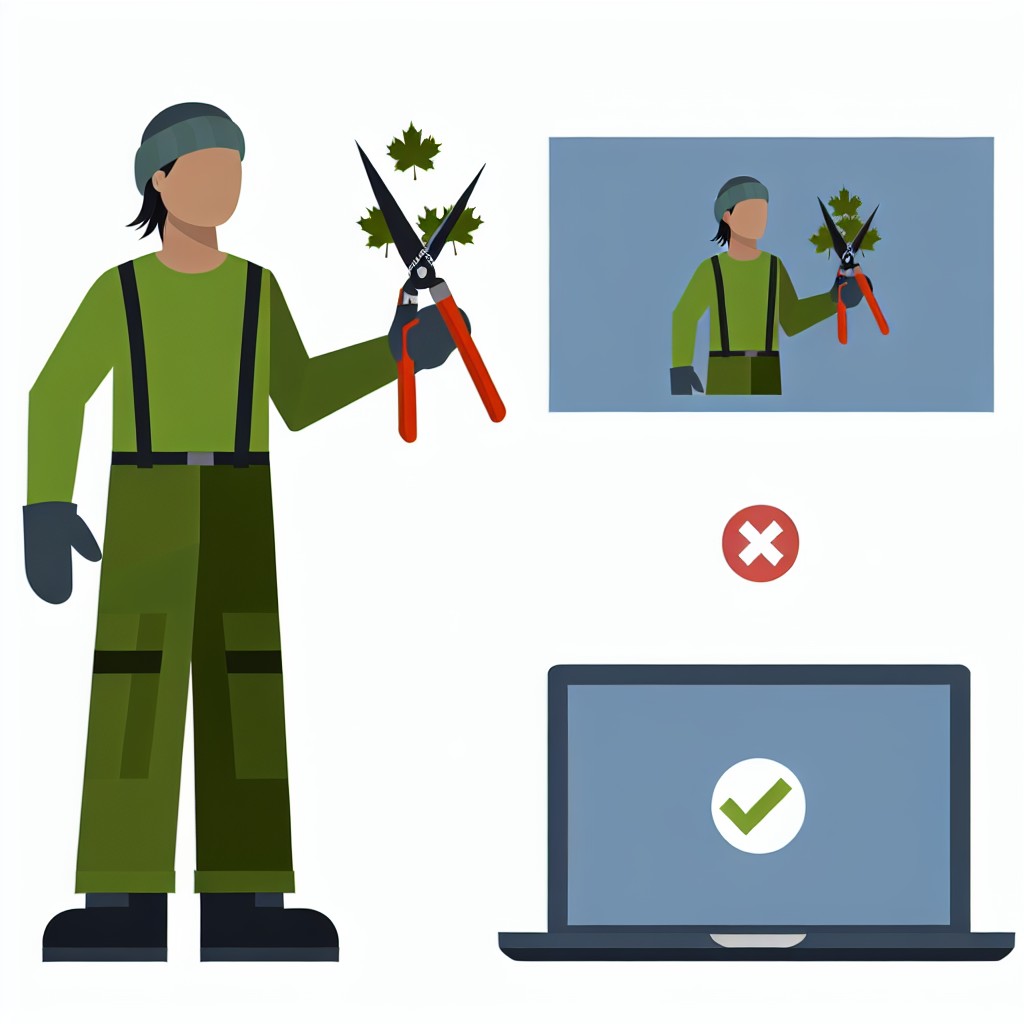
Pruning maintains tree health and promotes safe growth.
Proper pruning removes dead or diseased branches efficiently.
Additionally, it improves air circulation within the canopy.
Arborists like Lucas Franklin recommend pruning during dormancy.
This timing minimizes stress and reduces pest infestations.
Use clean, sharp tools to make precise cuts.
Moreover, avoid over-pruning to prevent weakening the tree.
Fertilization
Fertilization provides essential nutrients that urban soils often lack.
First, soil testing identifies nutrient deficiencies accurately.
Then, certified arborists such as Maria Delgado select appropriate fertilizers.
Slow-release fertilizers deliver nutrients steadily over time.
Regular fertilization encourages strong root systems and lush foliage.
However, excessive fertilization can harm tree roots.
Therefore, apply fertilizers according to seasonal requirements.
Pest Management
Effective pest management protects trees from damaging insects and diseases.
Urban arborists monitor trees routinely for early pest detection.
Integrated Pest Management (IPM) combines cultural and biological controls.
For example, introducing beneficial insects controls harmful pests naturally.
Chemical treatments are a last resort and used responsibly.
Consulting with experts like Evergreen Tree Care ensures safe pest control.
Furthermore, maintaining tree vigor reduces vulnerability to infestations.
Learn More: Livestock Nutritionist Job Satisfaction And Work-Life Balance
The Importance of Urban Forestry Policies and Planning
Role of Urban Forestry Policies
Urban forestry policies guide the management of trees within city environments.
They help balance development needs with green space preservation.
Moreover, these policies protect mature trees and promote new tree planting.
Consequently, they improve air quality and reduce urban heat islands.
Effective policies also encourage community involvement in tree care.
For example, Evergreen City’s Tree Stewardship Program engages residents directly.
Strategic Planning for Urban Green Spaces
Strategic planning ensures the long-term health of urban forests.
Cities like Brighton have developed comprehensive urban forestry master plans.
These plans prioritize species diversity to prevent pest outbreaks.
Furthermore, they outline maintenance schedules and planting initiatives.
Coordination between city planners and arborists is essential in this process.
They assess risk factors and identify critical planting locations efficiently.
Benefits of Proper Urban Forestry Management
Proper management enhances biodiversity within urban settings.
In addition, it supports wildlife habitat and promotes community well-being.
Urban trees contribute to mental health by providing shade and beauty.
Also, well-maintained trees increase property values in neighborhoods.
Cities investing in forestry see measurable improvements in stormwater management.
For example, Green Leaf Solutions helped Riverton reduce runoff through targeted tree planting.
Challenges in Implementing Urban Forestry Policies
One challenge is balancing infrastructure development with tree preservation.
Limited budgets often affect the scope of forestry programs.
Public awareness about tree benefits sometimes remains low.
Therefore, education campaigns like GreenRoots Initiative play a key role.
Climate change also introduces stressors that policies must address proactively.
Adaptive strategies help urban forests endure shifting environmental conditions.
Collaboration with Other Professionals
Working with Landscapers
An arborist teams up closely with landscapers to create balanced urban green spaces.
They advise on tree selection to enhance landscape design and ensure tree health.
Moreover, arborists help landscapers avoid planting trees that may cause future issues.
Through this partnership, urban areas become both aesthetically pleasing and sustainable.
Partnering with Urban Planners
Arborists contribute critical expertise during urban planning and development phases.
They evaluate tree preservation options within construction and infrastructure projects.
Additionally, arborists help mitigate environmental impacts through strategic tree placement.
Therefore, planners incorporate arborists’ advice to design greener, healthier cities.
Collaborating with Ecologists
Ecologists and arborists work together to promote biodiversity in urban environments.
They jointly assess how tree species affect local wildlife and ecosystem health.
Furthermore, this collaboration encourages planting native species that support ecological balance.
Together, they improve habitat connectivity and resilience within city landscapes.
Advantages of Integrated Collaboration
Combining knowledge from various professionals creates comprehensive urban landscape solutions.
Such teamwork enhances tree health, public safety, and environmental quality simultaneously.
Collaboration also leads to innovative approaches for managing urban forestry challenges.
Ultimately, these partnerships foster sustainable growth and enhance community well-being.