




Wildlife Biologists Only Work in Remote Locations Far from Urban Areas
Many people believe wildlife biologists work exclusively in remote wilderness areas.
However, this perception does not reflect the full scope of their work.
Wildlife biologists conduct research and conservation efforts in various environments.
Common Misconception About Work Environments
Urban settings often provide unique opportunities to study wildlife interactions with human populations.
Moreover, city parks, wetlands, and suburban green spaces serve as important habitats.
Consequently, biologists frequently monitor species in these environments.
Roles in Urban and Suburban Areas
Wildlife biologists collaborate with municipal governments to manage urban wildlife issues.
They help address concerns such as human-wildlife conflicts and habitat restoration.
In addition, biologists contribute to environmental education programs in schools and communities.
Urban ecology studies are increasingly vital due to growing urban expansion.
Therefore, professionals like Dr. Emily Chen focus on urban wildlife patterns and conservation.
Organizations such as the Toronto Urban Wildlife Institute lead projects within city boundaries.
Work Settings Beyond Field Research
Besides outdoor research, biologists spend time in laboratories analyzing data.
They also prepare reports and develop management plans for local authorities.
Collaboration with policymakers occurs frequently to influence urban planning.
Academic roles involve teaching and mentoring the next generation of wildlife scientists.
Consultants like Brian Matthews work with private developers to minimize ecological impact.
Thus, wildlife biology encompasses diverse professional responsibilities beyond remote fieldwork.
The Role of Wildlife Biologists Extends Beyond Fieldwork
Wildlife biologists perform a range of activities beyond simple field observation.
They balance outdoor research with analytical, policy, educational, and laboratory tasks.
Their roles span multiple settings and require varied expertise.
Fieldwork and Animal Observation
Many people assume that wildlife biologists spend all their time outdoors in the field.
Certainly, fieldwork forms a critical part of their responsibilities.
For example, researchers like Emily Harding often track animal movements and behaviors across Canadian habitats.
This hands-on observation helps collect valuable ecological data directly from nature.
Unlock Your Career Potential
Visualize a clear path to success with our tailored Career Consulting service. Personalized insights in just 1-3 days.
Get StartedData Analysis and Reporting
However, wildlife biologists also dedicate substantial time to data analysis back in the office.
They examine patterns, test hypotheses, and interpret results using specialized software.
Mark Lawson, a biologist specializing in migratory birds, spends hours analyzing satellite tracking data.
Likewise, they prepare detailed reports and scientific papers to share findings with conservation agencies.
Policy Development and Conservation Planning
Additionally, many wildlife biologists contribute to developing environmental policies and management plans.
Indeed, people like Teresa Nguyen collaborate with government bodies to protect endangered species.
They evaluate habitat impacts and recommend sustainable practices to stakeholders.
Consequently, their expertise helps shape laws that preserve Canada’s rich biodiversity.
Community Engagement and Education
Wildlife biologists also engage with local communities to promote environmental stewardship.
They conduct educational workshops and outreach programs in schools and parks.
For instance, Jonathan Trent organizes youth programs teaching about wildlife conservation.
This work fosters public awareness and encourages community involvement in protecting habitats.
Technological and Laboratory Work
Modern wildlife biology increasingly relies on technology and lab-based research.
Biologists use genetic testing to study animal populations and disease spread.
Rachel Shaw works in labs analyzing DNA samples to monitor species diversity in northern forests.
Additionally, drone operators capture high-resolution images to assess ecosystem health remotely.
Implications for Conservation Practice
Their duties require technical skills, clear communication, and teamwork across disciplines.
Collaboration among specialists improves decision making for habitat management and species protection.
This integrated approach strengthens efforts to conserve biodiversity and natural habitats.
Wildlife Biology Covers Much More Than Large Mammals
Many people believe wildlife biology focuses only on large mammals.
This view overlooks the field’s study of many smaller species.
For example, biologists examine birds, reptiles, amphibians, fish, and insects.
Diverse Species Studied by Wildlife Biologists
Dr. Emily Carver specializes in songbird populations in Ontario.
Samuel Fraser researches freshwater fish habitats in British Columbia.
They also study reptiles, amphibians, and various insects.
Variety of Habitats and Ecosystems
Biologists examine forest ecosystems, wetlands, grasslands, and coastal zones.
Lisa Dupont focuses on migratory waterfowl in Quebec’s wetlands.
Mitchell Collins investigates biodiversity in Arctic tundra regions.
Range of Research Methods and Goals
Wildlife biologists use tracking devices, camera traps, and genetic analysis.
These tools help assess population health, genetics, and animal behavior.
Researchers apply findings toward conservation, habitat restoration, and wildlife management.
Organizations like the Northern Wildlife Institute employ experts in varied techniques.
Importance of Understanding All Wildlife
Understanding many species enables better ecosystem assessments.
Such knowledge guides habitat protection and ongoing monitoring efforts.
Canadian wildlife biologists dedicate efforts to preserving a diversity of life.
Delve into the Subject: Salary Expectations for Geologists in Canada
A degree in wildlife biology guarantees a high-paying and stable job in the field
Many believe a wildlife biology degree ensures a high-paying job immediately after graduation.
However, the job market in Canada for wildlife biologists is competitive and fluctuates.
Consequently, stable employment is not guaranteed solely by having a degree.
Common Misconceptions About Job Security
Employers often seek experience alongside academic qualifications.
Therefore, gaining internships or volunteer work is essential to strengthen job prospects.
Networking with professionals like Dr. Amanda Sinclair at EcoWild Consulting helps career growth.
Salary Expectations in Wildlife Biology
Another myth suggests all wildlife biologists enjoy high salaries.
In reality, starting salaries often fall below national averages for science fields.
Moreover, salary varies depending on the employer, location, and specific role.
Positions with governmental agencies might offer more stability but not always higher pay.
Conversely, non-profit or research jobs may offer valuable experience but lower salaries.
Factors Impacting Career Stability
Wildlife biology careers depend heavily on government budgets and environmental policies.
Thus, funding cuts can affect job availability and duration.
Consistently updating skills and education increases chances of stable employment.
Seasonal work and contract positions are common and may limit financial security.
Strategies to Enhance Job Opportunities
Graduates should focus on building diverse skill sets beyond academic knowledge.
Skills such as GIS mapping, data analysis, and public outreach are highly valued.
Joining organizations like the Canadian Wildlife Federation provides networking opportunities.
Additionally, attending conferences helps professionals stay informed on industry trends.
Proactively applying for varied roles can lead to more stable and better-paying positions.
Find Out More: Key Industries Employing Physicists In Canada
Wildlife Biologists Only Deal with Wildlife Species, Ignoring Other Ecological Factors
Therefore, their work integrates multiple ecological factors to understand habitats.
Consequently, their approach is multidisciplinary rather than isolated to animals alone.
Thus, their efforts extend well beyond studying wildlife species alone.
The Myth and Its Origins
Many people assume wildlife biologists focus exclusively on animals.
They often think these professionals ignore broader ecological elements.
This myth likely arises from simplified portrayals in media and education.
However, the reality is far more complex and interconnected.
Ecological Systems Beyond Wildlife
Wildlife biologists study various components of ecosystems concurrently.
They observe how plants, water, soil, and climate influence wildlife.
For example, Dr. Samantha Reeves monitors how wetlands affect bird populations.
Collaborative Work with Other Disciplines
Wildlife biologists frequently cooperate with botanists, hydrologists, and climatologists.
At Northern Ecology Research, Brian Chan works closely with soil scientists.
Such collaboration ensures holistic ecosystem management and conservation strategies.
Impact on Conservation and Environmental Policies
Understanding ecological factors helps biologists recommend effective conservation measures.
They assess how human activities alter landscapes and affect wildlife indirectly.
For instance, Claire Dubois evaluates how urban development influences local ecosystems.
As a result, their advice shapes policies that protect entire ecosystems.
Common Misconceptions About Fieldwork
Another mistaken belief is that wildlife biologists only track animals in the wild.
In truth, they also collect data on vegetation, water quality, and habitat changes.
This broad information provides context for species survival and ecosystem health.
Therefore, their work is comprehensive and considers all ecological parameters.
Examples of Ecological Factors Studied
- Plant species composition and diversity
- Soil chemistry and structure
- Water availability and quality
- Temperature and climate patterns
- Human land use and disturbance levels
Plant species composition and diversity.
Soil chemistry and structure.
By evaluating these elements, wildlife biologists achieve a fuller ecological understanding.
Explore Further: Exploring the Oceanographer Profession in Coastal Canada
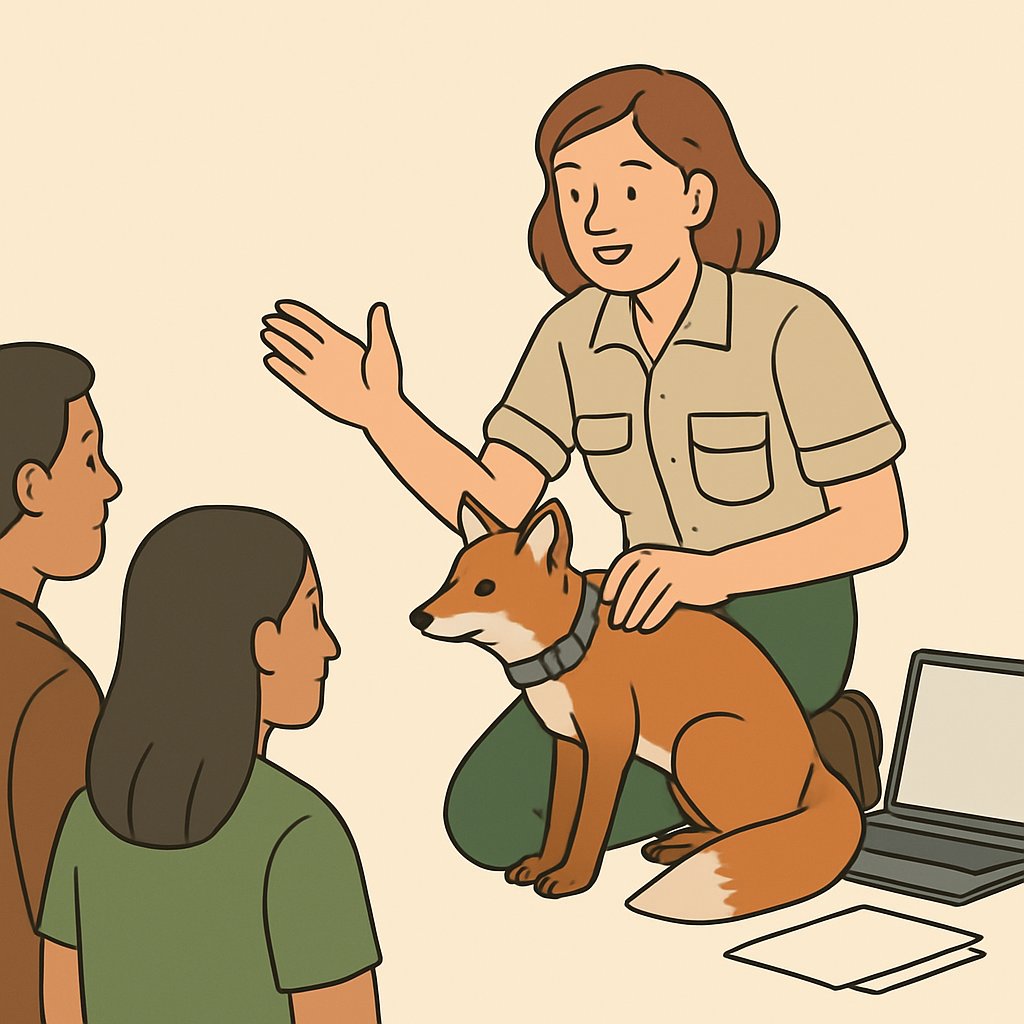
Misconception About Fieldwork and Laboratory Roles
Many people believe wildlife biologists only spend time outdoors in forests or wetlands.
This image suggests they rarely engage in office or laboratory work.
However, this perception simplifies a diverse and complex profession.
Balance Between Field and Laboratory Work
Wildlife biologists often combine field observations with extensive laboratory analysis.
They collect samples, record behaviors, and tag animals during fieldwork.
Then, they analyze data, conduct genetic tests, or prepare reports in laboratories or offices.
Additionally, some biologists specialize entirely in laboratory research without frequent outdoor assignments.
Others focus on data modeling, species population studies, or policy development.
Variety of Work Environments
Fieldwork can involve exposure to harsh weather and remote locations.
Nevertheless, modern conservation efforts depend on technology and lab-based research.
Many biologists use tools like GIS systems, microscopes, and computer software.
They collaborate with universities, government agencies, and environmental organizations.
Examples of Tasks Outside the Field
- Analyzing tissue or blood samples for diseases
- Conducting DNA sequencing to study genetic diversity
- Interpreting satellite data for habitat monitoring
- Writing grant proposals and scientific articles
Therefore, labeling all wildlife biologists as exclusively outdoor workers is inaccurate.
They perform critical functions both inside and outside the laboratory.
Explore Further: The Role of Oceanographers in Climate Change Research
Flexibility of Wildlife Biologists’ Schedules
This page examines schedule flexibility among wildlife biologists.
Additionally, it outlines factors that shape daily work routines.
Finally, the content explores challenges that affect personal time management.
Common Misconceptions About Work Hours
Many people believe wildlife biologists have flexible schedules.
They often assume biologists can pick when to work each day.
However, this idea rarely reflects the reality of the profession.
Fieldwork and research demands usually dictate strict timelines.
Factors Influencing Wildlife Biologists’ Work Schedules
Wildlife biologists like Olivia Martinez at Boreal Environmental Services follow seasonal patterns closely.
They perform tasks according to animal behaviors and environmental conditions.
As a result, biologists must sometimes work early mornings or late evenings.
Moreover, unexpected weather changes can force sudden schedule adjustments.
Field assignments often require extended hours away from home.
Impact of Project Deadlines and Permits
Besides natural factors, regulatory deadlines also affect schedules.
For example, Liam Chen from Northern Wildlife Associates must finish field reports by government deadlines.
Permits for specific research activities limit when work can occur in protected areas.
Such restrictions reduce scheduling flexibility significantly.
Work-Life Balance Challenges
Due to these constraints, maintaining a balanced work-life schedule is difficult.
Fieldwork requires adaptability and commitment at varying hours.
Still, many biologists find their passion for conservation motivates their schedules.
Wildlife Biology Extends Beyond Conservation
Many people believe wildlife biology only serves conservation efforts.
However, wildlife biology plays vital roles in several other sectors.
Therefore, wildlife biology’s impact extends well beyond traditional conservation roles.
Applications in Various Sectors
For instance, the agriculture industry relies on wildlife experts to manage pest species.
Furthermore, urban planning incorporates wildlife biology to maintain biodiversity in city landscapes.
Environmental consulting firms employ biologists to assess impacts of development projects on animal habitats.
Also, natural resource companies use wildlife biology to ensure sustainable harvesting practices.
Supporting Policy and Education
Wildlife biologists help shape environmental policies at governmental levels.
They provide scientific data essential for creating effective wildlife protection laws.
Additionally, educators use wildlife biology to design engaging science curricula for schools.
Public outreach programs often depend on biologists to raise awareness about wildlife issues.
Advancing Research and Technology
Research institutions employ wildlife biologists to study animal behavior and ecosystems.
New technologies, like remote sensing and GPS tracking, enhance wildlife research capabilities.
These innovations have applications in both conservation and commercial fields.
Additional Resources
Google search results for Common Myths About Wildlife Biologists in Canada Science and Research
Bing search results for Common Myths About Wildlife Biologists in Canada Science and Research


