




Introduction to Geological Fieldwork
Importance of Geological Fieldwork
Geological fieldwork plays a vital role in understanding Earth's processes.
It allows geologists to collect firsthand data and observe rock formations.
Moreover, fieldwork helps verify hypotheses generated in the laboratory.
Field observations improve interpretations of geologic history and natural resources.
Many practical applications rely on accurate field data, including resource exploration.
Purpose of the Geologist's Role
Geologists investigate Earth's structure to solve environmental and engineering challenges.
They identify mineral deposits, groundwater sources, and potential hazards.
Their work supports construction, mining, and environmental conservation projects.
Additionally, geologists assess risks like earthquakes, landslides, and volcanic activity.
They communicate findings to engineers, planners, and policymakers effectively.
Key Responsibilities During Fieldwork
Geologists systematically map rock types and their spatial relationships.
They collect rock, soil, and fossil samples for further analysis.
Recording accurate measurements and notes is essential for future reference.
Using tools such as GPS units and geological compasses enhances data accuracy.
Safety protocols must always be followed due to challenging outdoor environments.
Skills Required for Successful Fieldwork
Strong observational skills enable geologists to detect subtle geological features.
Physical endurance is necessary for prolonged work in rough terrain.
Analytical thinking helps interpret complex geological formations quickly onsite.
Good communication ensures clear collaboration with team members and stakeholders.
Flexibility allows adaptation to changing weather conditions and unexpected findings.
Essential Skills Required for a Geologist During Fieldwork
Sharp Observation Skills
A geologist must observe the environment carefully and thoroughly.
They notice subtle changes in rock formations and soil textures.
Furthermore, observing weather conditions helps predict fieldwork challenges.
Such detailed observation ensures accurate geological interpretations.
Accurate Sampling Techniques
Collecting rock, soil, and mineral samples requires precision and care.
Unlock Your Career Potential
Visualize a clear path to success with our tailored Career Consulting service. Personalized insights in just 1-3 days.
Get StartedGeologists like Emily Carter use clean tools to avoid contamination.
Moreover, proper labeling and documentation maintain sample integrity.
These methods assist laboratories in producing reliable analysis results.
Effective Data Collection and Recording
Data collection involves recording measurements, locations, and observations systematically.
Geologists utilize GPS devices, field notebooks, and digital tools.
Lucas Reynolds from GeoQuest emphasizes timely data entry to reduce errors.
Additionally, organized data supports better understanding and decision-making later.
Teamwork and Communication
Fieldwork often involves collaboration between geologists and engineers.
Clear communication ensures safety and efficient workflow on-site.
For instance, Project Manager Elena Gomez coordinates tasks and shares updates.
This teamwork enhances the overall success of geological investigations.
Adapting to Field Conditions
Field sites can have unpredictable terrain and weather variations.
Geologists must stay flexible and prepared for sudden changes.
Michael Turner from Summit Geologics advises packing versatile equipment and clothing.
Being adaptable improves productivity and personal safety in the field.
Understanding Various Geological Tools and Equipment
Essential Tools to Bring on a Field Trip
A successful geological field trip requires proper preparation of tools and equipment.
First, bring a reliable rock hammer designed for breaking and sampling rocks.
Next, carry a sturdy hand lens to closely examine mineral grains and rock textures.
Additionally, a durable field notebook is necessary for recording observations and sketches.
Use waterproof pens to ensure your notes remain legible in wet conditions.
Include a topographic map and a geological map of the area for navigation and context.
A compass clinometer helps measure the orientation of rock layers and structures accurately.
Wear a hard hat and safety glasses to protect yourself from falling debris and dust.
Carry sample bags or containers to store rock and soil specimens separately.
Furthermore, a GPS device or smartphone with GPS capabilities aids in precise location tracking.
Bring a sturdy backpack to organize and carry your tools and extra supplies comfortably.
Clothing and Safety Gear for Fieldwork
Dress in layers to accommodate changing weather conditions during the day.
Wear long pants and long-sleeve shirts to protect from insect bites and brush scratches.
Choose waterproof hiking boots with good ankle support for uneven terrain.
Also, carry a wide-brimmed hat and sunscreen to guard against sun exposure.
Bring gloves to protect your hands when handling rough or sharp rock samples.
Carry a first aid kit for emergencies and minor injuries in the field.
Use insect repellent to reduce the annoyance and risks from bugs.
Finally, carry plenty of water and high-energy snacks to stay hydrated and energized.
Advanced Equipment for Detailed Analysis
Modern fieldwork often involves instruments for in-situ measurements.
Portable spectrometers help identify mineral compositions directly on site.
Geologists may use digital cameras or smartphones for photographing outcrops and samples.
Drill cores or auger equipment might be needed for subsurface sampling in some surveys.
Field laptops or tablets enable real-time data entry and analysis in the field.
Moreover, handheld chemical test kits help determine rock and soil chemistry quickly.
Proper charging equipment and extra batteries ensure uninterrupted use of electronic tools.
Consult with your field supervisor to confirm specific equipment requirements beforehand.
Delve into the Subject: Common Challenges Faced by Oceanographers in the Field
Preparation and Planning for Fieldwork
Researching the Geological Site
Before heading out, conduct thorough research about the geological site.
Gather information from academic papers, geological surveys, and local reports.
Consult experts like Dr. Amelia Cortez or geologists from Prairie Ridge Institute.
Identify key geological features and formations you expect to encounter.
Check historical data that could influence current site conditions.
Use maps and satellite imagery to understand topography and access routes.
Additionally, review recent weather patterns to anticipate challenges.
Establishing Safety Measures
Safety must be your top priority when planning fieldwork.
First, conduct risk assessments to identify potential hazards.
Develop an emergency response plan with local authorities and team members.
Communicate with field teams, including lead geologist Marcus Hightower.
Equip the team with essential safety gear such as helmets, gloves, and boots.
Ensure everyone carries communication devices like radios or satellite phones.
Schedule regular check-ins to monitor each member’s status.
Moreover, prepare for environmental risks including wildlife encounters and unstable terrain.
Organizing Logistics and Equipment
Plan transportation and accommodation close to the field site.
Arrange vehicles capable of navigating rough terrain, such as 4×4 trucks.
Compile a checklist of necessary tools, including rock hammers, GPS units, and sample bags.
Charge and test all electronic devices before departure.
Coordinate with supply specialist Megan Albright to confirm all materials are ready.
Finally, prepare field notebooks and digital apps for accurate data recording.
Find Out More: Education Requirements for Aspiring Ecologists
Common Challenges Faced During Fieldwork
Weather Conditions
Weather can change rapidly during geological fieldwork.
Storms often delay data collection and increase safety risks.
Heavy rain can cause muddy terrain and flooding in some areas.
In addition, extreme heat leads to dehydration and fatigue.
Geologists must prepare for temperature fluctuations throughout the day.
Therefore, carrying appropriate weather gear is essential for success.
Terrain Difficulties
Field sites often feature uneven ground and steep slopes.
Rocky surfaces create hazards for walking and carrying equipment.
Dense vegetation sometimes obstructs access to key geological features.
Moreover, remote locations often lack clear paths or roads.
Geologist Miriam Clark advises using GPS devices to navigate effectively.
Above all, maintaining physical fitness helps overcome demanding terrain.
Equipment Failures
Field equipment frequently faces wear and tear in rugged environments.
For example, GPS units may lose signal or run out of batteries.
Sample containers can break during transport to the laboratory.
Furthermore, data loggers sometimes malfunction due to moisture or dust.
Technician Aaron Bennett recommends carrying backups for critical tools.
Additionally, regular equipment checks minimize risks of unexpected failures.
Gain More Insights: Skills Canadian Ecologists Need to Thrive
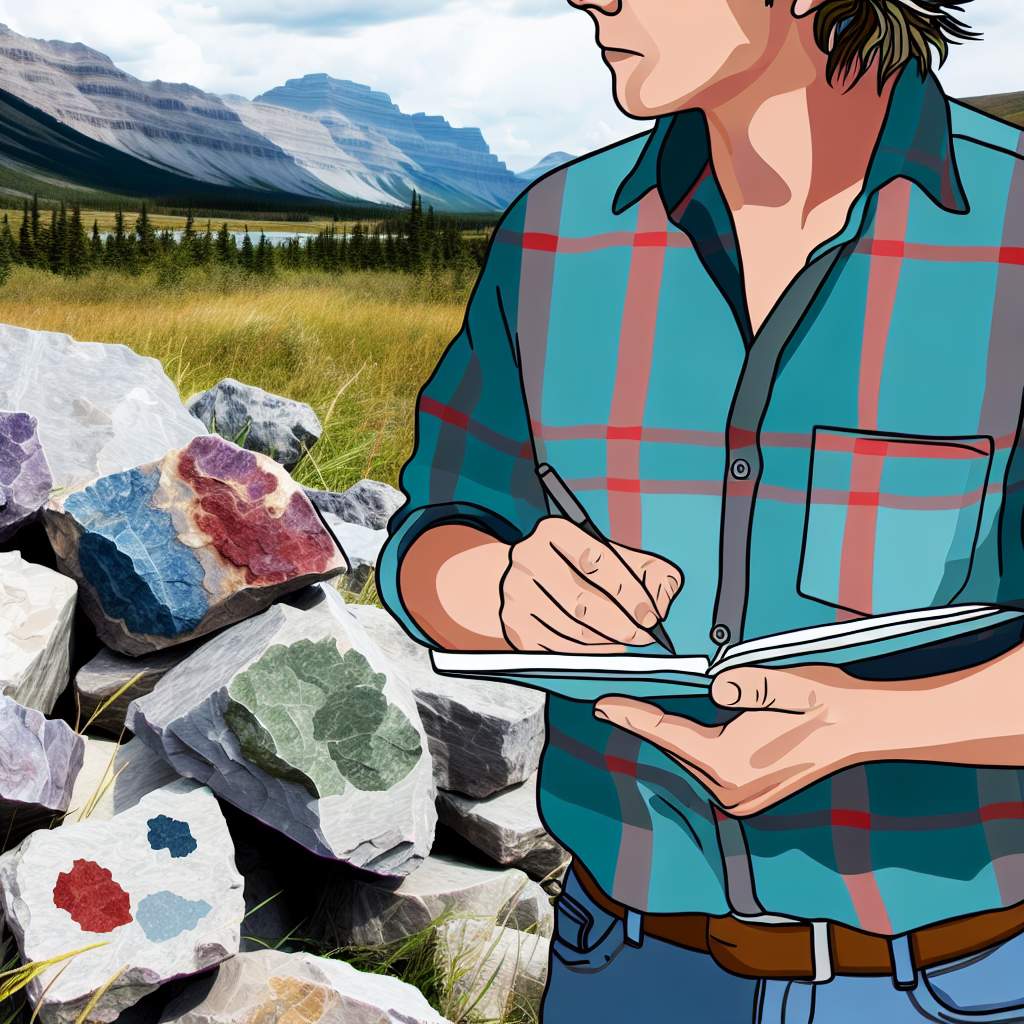
The Importance of Teamwork and Communication in Geological Fieldwork
Collaborating Effectively with Other Scientists
Geological fieldwork depends heavily on strong teamwork among diverse experts.
Each team member brings unique skills and knowledge to the project site.
Effective communication ensures smooth coordination during complex field activities.
For example, geologists and hydrologists must exchange data accurately and promptly.
Sharing observations strengthens the overall study and helps identify patterns.
Regular briefings help align objectives and update the team on discoveries.
Laura Hernandez, a field geologist, emphasizes that open discussions prevent costly misunderstandings.
Collaborative problem-solving becomes easier when every voice is heard.
Moreover, communication tools such as radios and mobile apps improve real-time data sharing.
Team meetings often incorporate specialists from biology, chemistry, and environmental science.
Additionally, cultural respect and listening foster trust on interdisciplinary teams.
Project manager Michael Lee coordinates efforts between geologists and land surveyors efficiently.
Consequently, joint efforts speed up data collection and analytical processes.
Building Trust and Responsibility Within the Team
Trust among team members enhances reliability during physically demanding tasks.
Fieldwork often involves challenging conditions that require mutual support.
Team members must communicate hazards or unexpected events without delay.
For example, surveyor Anna Patel quickly alerts the team when terrain becomes unstable.
Establishing clear roles reduces confusion and spreads responsibility evenly.
Leaders like Dr. Samuel Kim assign duties based on each scientist’s expertise and experience.
Accountability boosts the quality of both field observations and sample handling.
Furthermore, peer feedback encourages continuous improvement and professional growth.
Respectful dialogue builds morale and keeps motivation high during long field days.
Tools That Enhance Communication in the Field
Using technology helps maintain communication over large or remote areas.
Walkie-talkies and satellite phones facilitate instant voice contact among team members.
GIS software assists in mapping and tracking sample locations collaboratively.
Shared digital notebooks keep everyone’s notes and photos in one accessible place.
Moreover, cloud storage enables offsite experts to review data and provide input fast.
Effective use of communication equipment reduces errors and data loss.
Training on these tools is essential before embarking on demanding field projects.
Ultimately, skilled use of technology complements interpersonal communication skills.
Delve into the Subject: A Day in the Life of a Geneticist Responsibilities and Tasks
Fieldwork Methods and Techniques
Stratigraphy
Stratigraphy is the study of rock layers and layering.
Geologists use stratigraphy to understand the chronological sequence of geological events.
They carefully examine sedimentary rocks to identify distinct strata.
Each layer reveals information about past environments and conditions.
Field geologists mark boundaries between layers during their surveys.
They record the thickness, composition, and orientation of each stratum.
This data helps reconstruct the geological history of a region.
Moreover, stratigraphy aids in locating mineral deposits and fossils.
Geologist Clara Westbrook often employs stratigraphic techniques in the Appalachian region.
Mapping
Mapping is essential for representing geological features accurately.
Geologists use topographic maps as a base for their geological mapping.
They note rock types, faults, folds, and other structures precisely in the field.
Data collection includes GPS coordinates to enhance map accuracy.
Geologists like Marcus Llewellyn utilize digital mapping tools to expedite workflows.
Field sketches often accompany detailed notes for clarity.
Geological maps created during fieldwork assist in research and resource management.
Furthermore, they support land-use planning and hazard assessment.
Soil Sampling
Soil sampling involves collecting soil specimens for laboratory analysis.
Geologists select sites based on surface features and underlying geology.
They employ tools such as augers and shovels to extract soil samples.
Samples are taken at various depths to assess soil profiles.
Field expert Regina Montrose emphasizes proper labeling and documentation for each sample.
Once collected, soil samples undergo tests to determine composition and contaminants.
This information guides environmental assessments and land reclamation projects.
In addition, soil sampling supports agronomy and construction planning.
Post-fieldwork Processes
Analyzing Samples
After the field trip, geologists begin by organizing the collected rock and soil samples.
They label each sample carefully to preserve its origin and context.
Next, geologists clean and prepare samples for detailed laboratory analysis.
They use various techniques such as microscopy, X-ray diffraction, and chemical assays.
Moreover, analyzing physical properties reveals insights about mineral composition and texture.
Geologists often collaborate with lab technicians like Dr. Elena Marquez for precise results.
Interpreting Field Data
Geologists review field notes and maps to cross-reference with lab findings accurately.
They input data into computer software for spatial analysis and modeling.
Visualization tools assist in identifying geological patterns and structures effectively.
Furthermore, they compare results with regional geological databases to contextualize findings.
Collaborative meetings with colleagues help refine interpretations and address uncertainties.
For example, consulting with sedimentologist Lucas Tran provided additional insight into depositional environments.
Documenting and Reporting Results
Geologists compile their analyses into detailed reports highlighting key discoveries.
They include charts, photographs, and diagrams to support their conclusions clearly.
Reports undergo peer review by experts such as Dr. Nia Williams to ensure accuracy.
These documents often inform research projects, environmental assessments, or resource exploration.
Finally, geologists archive samples and data securely for future reference and follow-up studies.
Additional Resources
Geo-mapping in the Canadian Arctic | The Arctic Institute – Center …
Geoscientists : Occupational Outlook Handbook: : U.S. Bureau of …